
Key Takeaways
-
You gain from a dedicated court system that understands veterans' issues and that emphasizes healing and wellness instead of retribution.
-
You receive personalized treatment and proven therapies, tailored to your needs and long-term recovery.
-
You collaborate with an interdisciplinary team, including judges, treatment providers, and veteran mentors who work together to make sure your care is well-rounded and successful.
-
In addition, you can get your criminal record reduced or expunged once you complete the program, which helps with getting a job or returning to civilian life in general.
-
You have reduced recidivism because of the structure and supervision offered by the veterans court that stresses responsibility and consistent oversight.
-
You're surrounded by a community that knows where you've been, believes in where you're going, and links you to the resources to thrive as you make the transition to civilian life.
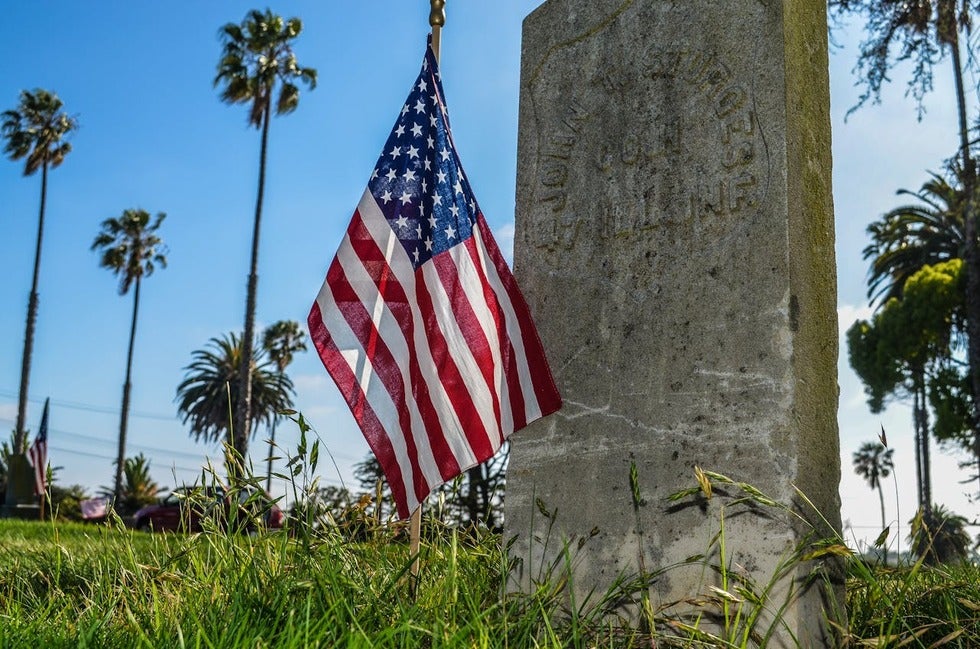
Veterans courts provide distinct advantages if you're a former service member confronting DUI or drug charges. You get access to treatment instead of just jail or fines. The court connects you with support services that match your needs, such as counseling, therapy, or employment assistance. Veterans court judges and staff understand the pressure and trauma of military life, so they hear you with compassion and honor. If you complete the program, your record can stay cleaner. That benefits your career hunt and safeguards your liberties. For a lot of these, it's the support and structure that helps break the cycle that results in repeat charges. In the following sections, you'll discover how these courts operate and what you need to do.
What Is A Veterans Court?
Veterans treatment courts are tailored judicial systems specifically designed to address the unique needs of veterans facing criminal charges, particularly those associated with substance abuse or mental health challenges. Instead of relying on traditional court methods, these specialized court programs emphasize therapy and assistance, aiming to provide solutions for the underlying triggers that can lead veterans into trouble with the law. The ethos is to guide you, as a veteran, toward rehabilitation and reintegration, not merely punishment. Veterans courts were created to reduce the number of veterans incarcerated for untreated mental health or substance use disorders. With the structured setup of these courts, they blend accountability with recovery avenues, providing access to vital services such as counseling, vocational training, and housing assistance.
A Different Philosophy
Veterans treatment courts operate on a distinct philosophy compared to the traditional court system. Instead of focusing solely on punishment, they emphasize a therapeutic model that prioritizes recovery. This approach considers the unique challenges faced by veterans—such as trauma, PTSD, or addiction—and develops a judicial strategy that fosters rehabilitation rather than mere punishment. By leveraging resources from veterans service organizations, these courts aim to provide effective substance abuse treatment and mental health services tailored to individual veteran needs.
Therapeutic jurisprudence is the guiding legal philosophy in veterans treatment courts, transforming case processing. The focus here extends beyond mere guilt or innocence; it seeks to understand the circumstances that led you to court and how to facilitate your recovery. This specialized court program promotes empathy, ensuring that your service history is taken into account, allowing for a personalized treatment program that enhances your long-term prospects and reduces recidivism.
The Court Team
The court is founded on a team model, where many experts collaborate. This team consists of judges, attorneys, psychologists, treatment providers, and veteran mentors. Each provides their specialty, and collectively they craft approaches that work for you.
Collaboration is crucial. The judge doesn't simply order–we all talk, trade information, and come up with plans that work for you. All members receive training on veteran issues, so they understand what you're experiencing and what services exist.
-
Judges: Oversee court proceedings and monitor progress
-
Veteran mentors: Provide support and guidance from shared experience
-
Treatment providers: Deliver counseling, addiction help, and therapy
-
Prosecutors and defense attorneys: Ensure your legal rights are protected and advocate for fair treatment
A Collaborative Approach
Veterans courts don't go it alone. They establish solid connections with community service agencies to ensure you receive comprehensive assistance, from shelter to employment preparation. This extensive network means you're not left to yourself.
Transparent communication between all parties—the court, service providers, mentors, and volunteers—ensures your progress is consistently monitored and encouraged. Members of the community — other vets among them — frequently step up as mentors or volunteers. This fortifies the support network and increases your odds of success.
A consolidated approach allows you to address the legal and personal issues you confront as a veteran.
What Are The Benefits Of Veterans Court?
The hope with veteran treatment courts is that they link you with substance abuse treatment and support, rather than jail time for a DUI or drug charge. The central objective is to assist you in confronting the underlying issues of mental health and addiction treatment, not just penalize you. These specialized court programs operate differently from traditional criminal courts, providing you with a structured, supervised path that centers on rehabilitation and total life enhancement.
|
Veterans Court |
Traditional Justice System |
|
Focus on treatment |
Focus on punishment |
|
Holistic support |
Limited mental health care |
|
Peer veteran support |
Isolated, general population |
|
Case dismissal possible |
Permanent criminal record |
|
Employment support |
Few reintegration resources |
1. Tailored Rehabilitation
Every treatment plan in veterans court is constructed around your specific needs. You've got a combination of counseling, group therapy, and evidence-based practices that treat both substance use and mental health. Progress is monitored carefully, allowing modifications to be made when necessary to maintain your positive trajectory. For instance, if you require additional aid for anxiety or PTSD, your plan can pivot to incorporate more regular appointments or varieties of therapy.
Veterans court utilizes a five-phase structure lasting at least 14 months, with judicial monitoring throughout. This incremental approach provides you with a solid, consistent route that scales with you.
2. Mental Health Focus
Mental health is integrated into each step of the process. The court links you to mental health professionals who understand veteran issues, like PTSD or depression. If you experience both substance use and mental health struggles, your treatment addresses both under one plan.
This is crucial because a lot of veterans encounter obstacles to treatment in conventional structures. You have 24/7 access to support, not only during court hours, so assistance is there whenever it's needed.
It helps to break stigma and raise awareness, so it's easier to seek help and support others going through the same thing.
3. Reduced Recidivism
Veterans court prosecutors have found much lower recidivism rates. Research shows that those who complete the program are less likely to re-offend than people in traditional courts.
The extended assistance and framework assistance lessen the likelihood of falling back into old habits. With continued care and supervision, it becomes difficult to fall through the cracks. Accountability — through drug testing and check-ins — keeps you on track.
They demonstrate that actual rehabilitation beats just doing the time. You stand a greater chance of permanent, positive transformation.
4. Criminal Record Impact
If you complete the program, you may have your charges reduced or dismissed. That provides you a legitimate opportunity for a scorable record — that counts when you're looking for a job and reintegrating into your community.
Cleaning up your record breaks the cycle of legal trouble. It allows you to go forward, not just spend time and encounter more obstacles.
Your future job search and social life both benefit, as many employers and groups will view your legal history.
This is a strong reason to choose the veterans court.
5. Community Reintegration
The court connects you to job training, employment assistance, and resources to transition out of the military. You can do community service to build skills and feel connected again.
Connections with other veterans combat isolation and support healing.
You receive assistance at each point along the way, so you're not by yourself.
Who Qualifies For Veterans Court?
Who qualifies for veterans treatment courts depends, but these specialized court programs are intended for veterans charged with non-violent offenses, often related to underlying mental health or substance abuse issues. These courts provide a pathway for veterans to access substance abuse treatment instead of incarceration, focusing on addressing the root causes of criminal activity. If you're service-connected and have been charged with DUI or drug possession, you might qualify.
|
Criteria |
Details |
|
Military Service |
Must show proof of service, such as discharge papers or military ID |
|
Charge Type |
Non-violent, non-serious felony offenses; excludes prior strikes or registered offenders |
|
Service-Related Disorder |
Documented mental health or substance disorder tied to military service |
|
Disability Percentage |
Typically, 20% service-related disability, e.g., PTSD or TBI |
|
Cause of Offense |
Criminal conduct linked to service-related disability |
|
Case-by-Case Evaluation |
Eligibility is not automatic; the court reviews each application |
Service History
The first step is to have proof of military service. Courts require concise paperwork to verify your history and ensure you are eligible. There are veterans from every branch and position, so each case is judged on its own merits and needs.
-
Military discharge papers (DD-214 or equivalent) indicating length and character of service
-
Proof of service-connected disability rating from a trusted source
-
Medical or psychological records linking disorders to service
-
Testimony from a qualified professional, like a VA doctor or psychologist
A lot of veterans don't know about veterans court or don't realize they qualify. Outreach—whether by legal clinics or at VA centers or through veteran support groups—helps bridge that divide and hooks you up to resources.
Charge Type
Acceptable charges concentrate on non-violent offenses. DUI and drug charges frequently merit referral; however, violent and serious felonies usually bar you from these programs.
Veterans court as an alternative to hard sentencing. Instead of doing time in prison—where if your sentence is over 60 or 90 days, you can lose your benefits—you get help specific to your history. This method focuses on the cause of the offense, not just the action.
The court looks at whether your offense is related to a mental health or substance disorder. Say you're a veteran with service-related PTSD and get caught with pot — you could be eligible. Veterans with qualifying charges should inquire with their attorney about this option.
Underlying Issues
A comprehensive evaluation is required to see if you have a qualifying mental health or substance use disorder. Co-occurring conditions are often present, so it is important to look at the whole picture.
Treatment plans are not one size fits all. Each one is tailored to your individual needs — be that therapy, medication, group support, etc.
-
Verify diagnosis of PTSD, traumatic brain injury, or substance use disorder.
-
Assess for co-occurring mental health conditions (ex, depression, anxiety)
-
Link disorder(s) to service via medical or psychological opinion
-
Document how the condition contributed to the alleged offense
Encouragement
If you believe you're eligible, discuss with your attorney or a veterans' advocate.
Court staff and veteran groups can explain your options.
Support is available—do not wait to ask for help.
You might even be able to turn your life around and save your benefits.
How Does The Program Work?
Veterans treatment courts offer a structured, multi-phase process to assist veterans charged with DUI or drug offenses. You progress through steps, each with specific objectives, under the supervision of a veterans court team. This specialized court program is designed to meet you where you are as a veteran, prioritizing mental wellness, substance abuse treatment, and personal development. Depending on your advancement, the full treatment program is typically completed in nine to eighteen months.
Initial Assessment
So you start with an evaluation. Experts apply validated instruments to evaluate your psychological and physical condition, substance abuse history, and the root cause of your criminal problems. There will be a mental health professional there to screen for trauma, PTSD, or anxiety that veterans often contend with. If you are eligible for VA benefits, you can be sent to a local VA medical center for further evaluation.
This step is not merely procedural. The team—judges, probation officers, attorneys, and counselors–collaborate to establish transparent and attainable objectives for your treatment and recovery. They construct a strategy tailored to your style, not just for attack. By beginning with a holistic view of your circumstance, the system can focus on what will assist you most, whether that's therapy or medical treatment.
Phased Treatment
Your journey through the veterans treatment courts follows five phases: Stabilization, Assessment and Engagement, Individualized Treatment and Participation, Treatment Compliance and Social Habilitation, and finally, Consistent Compliance and Transition to Graduation. Each phase requires you to meet certain milestones before moving on, such as showing regular attendance at counseling, passing drug screenings, or completing group therapy. This structured approach is essential for veterans, as it promotes accountability and encourages sobriety.
The staged approach allows you to build confidence in increments. Celebrate every triumph, no matter how small. If setbacks occur, your individualized treatment program can be adjusted to meet your needs. This flexibility is crucial for real recovery, ensuring that your support aligns with your current situation. The framework helps you maintain momentum and stay motivated throughout the process.
Each step serves as a milestone, with the veterans court team checking in on your progress, providing encouragement, or making necessary tweaks. This support system ensures that you don't feel lost or overwhelmed, allowing you to know what to expect at every phase.
Regular Check-Ins
You will have frequent court appearances and visits to your support group. These check-ins are frequent, sometimes weekly or more. They're used to verify that you're adhering to your treatment plan, attending sessions, and remaining drug-free with frequent drug testing.
These meetings are NOT just about rules. They provide you with a forum to post about issues, request support, or report milestones. Open communication between you and the team is promoted, so you never have to tackle setbacks solo. If problems arise, the team can react fast, ensuring you remain on schedule.
Graduation
All phases completed, you participate in a graduation. This is the final stage of your program and your recovery work. It's not a mere formality—it's an actual recognition of your work!
You don't go it alone after you graduate. You get ongoing support and resources, so you can keep making strides. Alumni are encouraged to stay connected and support one another, forming a powerful lifelong growth network.
The Human Element: Beyond The Courtroom
Veterans court goes beyond the post-DUI or drug charge fix. The real work for most of you begins with the human element — how the process considers your life, your necessities, and what counts when you desire to proceed. This portion of the system realizes that recovery is more than compliance or completing a program. It's about confronting ‘real' hardships, such as mental health, employment, or housing. For my fellow veterans out there, who might struggle with PTSD or medical problems – it gets rough. The court, again, wants to meet you there, not as a docket number but as a human with a history and a destiny.
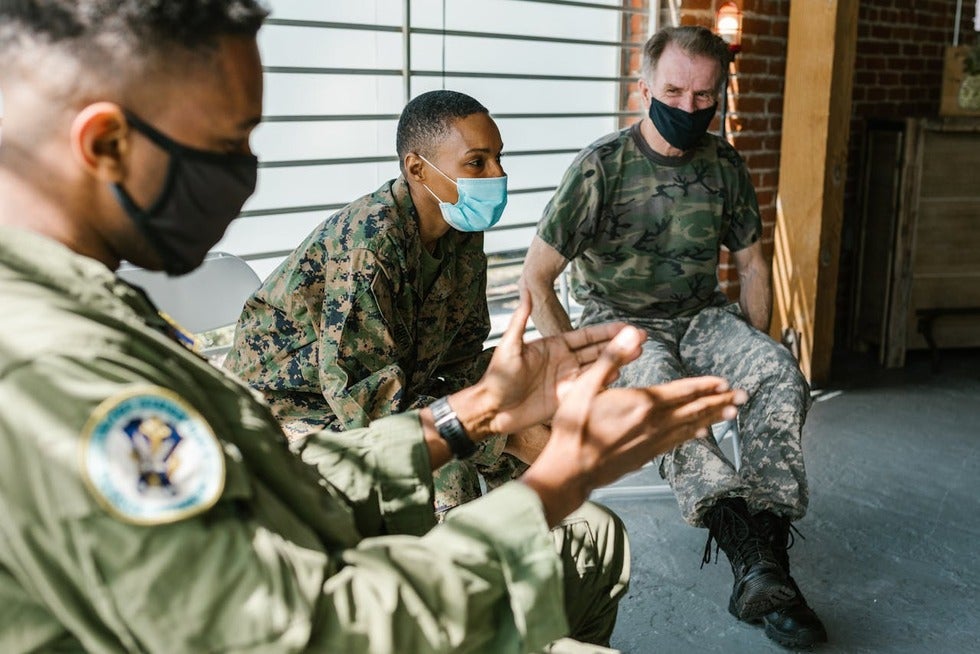
Emotional support and understanding go a long way in this. You've been there — alone or misunderstood. Veterans court emphasizes support systems — not just penalties. For example, military staff and mentors make you feel listened to. They don't just judge—they listen, and they probably lived through some of the same struggles. It allows you to be more vulnerable about mental health, addiction, or the intimidation about what's next. When you sense that trust, you're more apt to adhere to your recovery plan.
Community support is a major component of the recovery process. Most programs strive to create a community around you, so you aren't navigating everything solo. These efforts take many forms:
-
Peer mentoring from other veterans
-
Group therapy focused on trauma and addiction
-
Access to job training and placement programs
-
Help with finding stable housing
-
Family support groups to rebuild relationships
-
Legal help with records or benefits
-
Regular check-ins with case managers
Forming bonds with court personnel and counselors is another asset. When you know that those overseeing your case care about your advancement, it makes a difference. Judges, case managers, and therapists stay in close touch—not just to check up on you, but to guide you, answer questions, and help you when you hit a wall. These connections can endure far beyond your litigation, providing you with a network for what comes next.
Recovery is not done alone. You're on a team, and that collective mission makes the tough days easier. You might discover that in the process of advancing, you establish fresh bonds—with fellow vets, with colleagues, or with community members. That, in time, you could experience your mental health improving, feel more grounded in your personal life, or surpass new professional milestones. Research demonstrates that consistent labor and wages reduce the likelihood of returning to court. For many veterans, stumbling blocks such as PTSD, medical conditions, or employment gaps can impede momentum. With a band behind you and actual support, you're more apt to find your footing and hold it.
Legislative And Community Support
Legislative and community support significantly influence the operation of veterans treatment courts (VTCs) for DUI and drug cases. Legislators all over the world are enacting laws to establish and finance these specialized court programs. In the U.S., state legislatures and the federal government, through the Department of Veterans Affairs, provide grants and technical assistance to launch and manage VTCs. This funding translates into greater access to veteran-specific treatment programs that consider your needs as a veteran, not just your offenses. Such laws and policies have raised awareness about the unique challenges veterans face and the necessity for a separate court system from the traditional criminal justice system.
Community support plays a crucial role in the daily success of VTCs. Local organizations, veteran groups, and even businesses contribute by providing counseling, job training, or housing assistance. For instance, some cities collaborate with community organizations that conduct peer support sessions or connect you with volunteer veteran mentors who have faced similar struggles. These resources not only fulfill basic needs but also create a supportive community as you navigate the court system and focus on recovery. With robust community backing, you often have access to more treatment and support options, which can lead to improved long-term criminal justice outcomes.
Collaboration is essential to making VTCs effective. Judges, law enforcement, lawyers, and social service agencies all play pivotal roles. By leveraging partnerships, these organizations initiate programs tailored to your specific veteran characteristics. For example, a close relationship between a local veterans' hospital and the court ensures swift access to substance abuse treatment or mental health services. Local governments can also work with veteran-centric non-profits to establish job programs or housing assistance. When all parties work together, you create a clear path forward and a reliable way to measure progress.
Legislative and community support are vital for the sustainability and expansion of these courts. The more people understand the specific needs of veterans, the greater the pressure for new laws and additional resources. Advocacy, both within and outside the veteran community, leads to stronger backing for new VTCs in areas where they are currently lacking. By sharing your experiences, you help others understand why these courts are essential. Your story can remind local leaders and lawmakers that support for VTCs is not just a legal obligation – it's a personal commitment to improving lives.
Conclusion
Veterans court provides you a genuine opportunity for transformation if you're confronted with a DUI or drug charge post-service. You get support from people who understand what you've been through. It offers you resources, not just restrictions – such as counseling, support networks, and assistance with employment or accommodation. You live in your community — not jail. If you stay with it, you can erase the charge and reset your life. You experience actual concern from judges and staff, not just impersonal regulations. Success stories have people who conquered addiction, repaired relationships, and found stable employment. If you served and now feel lost in the legal maze, reach out to your local veterans court team. They desire to assist you with getting back on track.
Frequently Asked Questions
1. What Makes A Veterans Court Different From A Regular Court?
Veterans treatment courts focus on rehabilitation and support, offering individualized treatment programs for veterans facing DUI and drug charges instead of traditional punishment.
2. What Are The Main Benefits Of Veterans Court For DUI And Drug Offenses?
You would receive substance abuse treatment, less jail time, and support from the veterans treatment courts, aimed at helping you return to healthy, productive living.
3. Who Can Apply For The Veterans Court?
To qualify for veterans treatment courts, you need to be a military veteran, typically with a service-related condition, and your charge must involve public intoxication or drug use.
4. How Does The Veterans Court Process Work?
You enter into a program. It generally involves therapy, frequent check-ins, and supervision. If you graduate, charges could be reduced or dismissed.
5. Does The Veterans Court Provide Support After The Program Ends?
Yes. Most veteran treatment courts provide continuing support and resources to keep you on track and avoid relapse.
6. Will Participating In Veterans Court Affect Your Criminal Record?
If you graduate from the veterans treatment courts, your charges could be minimized or dropped, safeguarding your record and future.
7. Why Do Communities And Lawmakers Support Veterans Courts?
Veterans treatment courts reduce recidivism and support reentry by leveraging resources for recovery, focusing on substance abuse treatment, not just penance.
------------------------------------
Let's Protect Your Future—Start Your Path To Recovery Today
If you're a veteran facing DUI or drug charges, you don't have to walk this road alone. Veterans treatment courts offer a second chance—one that focuses on your healing, not just your punishment. At Gorelick Law Office, we believe in honoring your service by defending your future with compassion, experience, and commitment. You may be eligible for a program that supports your recovery, protects your rights, and even helps clear your record. Contact us today to find out how we can help you reclaim your life.
Previous Article - What Is Veterans Court, And Who Qualifies In Alameda County?
Next Article - How Do You Apply For Military Diversion In California?

