
Evidence used to prosecute DUI cases in California often comes from chemical tests like breath, blood, or urine samples, field sobriety tests, police reports, and witness statements. Officers observe driving, physical symptoms including slurred speech or staggering, and results of roadside tests. Officers can use dashcam or bodycam footage, which presents events in real time. Lab test results for BAC are important because California law establishes strict BAC limits. Sometimes, expert witnesses interpret test results or dispute testing procedures. All the evidence collectively demonstrates an individual's condition at the time of arrest. The following section details how each of these types of evidence impacts DUI cases in court.
Key Takeaways
-
California DUI prosecutors use a variety of evidence to build their cases, such as officer observations, field sobriety tests, chemical tests, and the defendant's admissions. All of this must be meticulously documented and accurate to survive legal challenges.
-
The lawfulness of the traffic stop and arrest depends on reasonable suspicion and probable cause, so this is where the prosecution and defense both live and die.
-
Forensic analysis, especially the accuracy of Title 17-compliant chemical tests, is important, and mistakes in testing or equipment calibration can make results inadmissible.
-
Human factors, like officer subjectivity, medical conditions, and environmental influences, cause impairment to be misunderstood. You need to consider these things when you examine the evidence.
-
An effective defense must challenge the stop itself, the administration of all tests and the compliance with legal procedures, often using expert testimony and detailed documentation.
-
Supporting evidence such as police reports, video footage, and witness testimony can help bolster or weaken the prosecution's case. This is why it's essential to thoroughly review and analyze every piece of information possible.
The Prosecutor's DUI Evidence
Prosecutors in California have a checklist of evidence they need to prove someone was driving drunk. The law demands proof that the driver was actually impaired while driving. Typically, evidence includes observations made by officers, field sobriety tests, chemical tests, the accused's statements, and circumstantial facts. They each have their place in making a case and their importance changes from one situation to another.
Officer Observations
First, police officers pen intricate narratives of their observations surrounding a stop. They look for driving behaviors, such as swerving or delayed responses, that indicate impairment. They record environmental facts, like whether it was late at night or if the area was dimly lit. Things like slurred words, the smell of alcohol, red or watery eyes, or unsteady steps are judiciously documented. These observations are from officers who typically receive specialized drunk driving detection training. Their experience provides the court with a feel for whether the driver's behavior matches known patterns of impairment.
Field Sobriety Tests
Field sobriety tests give officers an initial sense of whether a driver is sober. Such standardized tasks typically involve walking heel-to-toe in a straight line, balancing on one foot or following a moving object with the eyes. These tests have to be administered as the police manual prescribes or they do not count. Performance can demonstrate lack of balance or mental confusion, but things such as anxiety or medical problems occasionally induce errors. Officers document every step and how well the driver conducted himself, which enters the formal record.
Chemical Test Results
Breath and blood tests demonstrate if a driver has an excessive amount of alcohol in their system. Blood tests are the most accurate, while breath tests are more frequently utilized because of their ease of use roadside. California law states that a blood alcohol content of 0.08 grams per deciliter or higher is the basis for a presumption of impairment, though that is rebuttable. Timing counts; tests conducted long after the stop may not represent the level while driving. Various machines, such as the Intoxilyzer 3000, may provide varying results, and therefore the court considers the reliability of the device. Experts can then take these results to back-calculate what the alcohol level was when the car was in motion.
Your Own Statements
What a driver says can make or break their case. Basic comments like ‘I had one' or ‘I was buzzed' turn into crucial evidence. Sometimes, they just blab without realizing that their blabbing could be admitted as evidence. Police typically document these declarations, and attorneys examine not only what was promised but the context in which it was promised. This is why good legal advice is essential before saying anything, because seemingly minor details can alter the course of a case.
Circumstantial Proof
Not all evidence is direct. Circumstantial evidence consists of things such as wild driving or being observed at a tavern immediately prior to the stop. Witnesses, including passengers and bystanders, may recount what they saw, such as stumbling or acting confused. If there was an accident, the damages and driver's conduct after the accident can be leveraged. Even in the absence of a high blood alcohol reading, these hints can influence a jury's impression of impairment.
Was The Traffic Stop Lawful?
Lawful traffic stops are an important element of DUI prosecution in California. Legal standards for stops stem from the Fourth Amendment, which prohibits unreasonable searches and seizures. For a DUI arrest to stick, the stop itself has to be supported by reasonable suspicion or probable cause. Stops that fall short of these bars can blow up the case and may result in charges being thrown out. We review details such as how an officer justifies the stop, whether we observed violations, and how checkpoints operate.
Reasonable Suspicion
Reasonable suspicion is a legal measure permitting an officer to briefly detain a driver if they can indicate specific facts implying an offense occurred. This is below probable cause but above a mere unparticularized suspicion. For DUIs, it could be because you were swerving between lanes, exhibiting erratic driving, speeding, or running a red light. Officers may cite broken tail lights or failure to signal as the basis for the stop.
If a stop isn't based on reasonable suspicion, evidence from the stop can be discarded. For instance, if an officer pulls someone over simply because it's late at night and they are departing a bar district, absent any bad driving, courts will likely find this insufficient. California courts have thrown out cases where the justification for the stop was not tied to a particular infraction.
Many rulings, like those from People v. Wells, have made clear that anonymous tips alone aren't sufficient unless the officer witnesses some bad driving consistent with the tip. This shields motorists from guesswork-based stops.
Probable Cause
Probable cause, a higher standard, is required before making an arrest. Here, the officer needs concrete evidence, like slurred speech, an odor of alcohol, or failure to pass a field sobriety test. While drivers can decline these tests in California, other evidence such as open containers or admission to drinking can bolster probable cause.
Without probable cause, any arrest is unlawful. This could lead to crucial evidence, such as breath or blood test results, being excluded. The prosecution's case is shot if the arrest isn't justified.
Probable cause goes straight to what happens next. If it is there, the case goes forward. If not, the defense has good cause to challenge the arrest.
Checkpoint Rules
|
Step |
Requirement |
|
Planning |
Must be supervised by senior officers |
|
Neutral Criteria |
Vehicles stopped using set pattern |
|
Public Notice |
Advance notice to the public is required |
|
Signage |
Clear, visible signs at the checkpoint |
|
Safety Measures |
Well-lit and marked for safety |
Drivers need public notice and clear signs that there's a checkpoint coming up. Officers have to adhere to rigorous protocols, such as pulling over vehicles in a determined, fair sequence, not according to appearance or prejudice, and operating under supervisor monitoring. If officers skip these steps, evidence or even the entire case can be tossed. For example, if there is no notice or bad signage, a court might hold the checkpoint to be unlawful.
Even checkpoints that do meet these rules risk implicating the Fourth Amendment. Any evidence found at an unconstitutional checkpoint cannot be admitted in court.
Scrutinizing The Science
Forensics is key to California DUIs. Judges are gatekeepers; they'll admit scientific evidence only if it's based on accepted methods. Prosecutors need to get some pretty strict screens in L.A. Courts, revealing everything. The law allows Daubert-style hearings in which courts examine whether a method, such as chemical testing, has satisfied peer-reviewed standards. Unvalidated techniques, such as some 3D scene reconstructions, receive intense scrutiny and might not be permitted. Forensic analysis frequently focuses on chemical tests to ascertain blood alcohol concentration, a primary indicator for probable cause. The precision, dependability, and methodical rigor of these tests are critical since mistakes or oversights can topple the entire case. DUI suspects can still contest this evidence, and defense lawyers frequently seek out fragile links in the scientific chain.
- Chemical testing—breath, blood, and urine—must pass rigorous reliability thresholds.
- Forensic labs need to record the chain of custody for every sample.
- Peer review procedures must be used for test results to be admissible.
- Mistakes in analysis or handling can result in suppressed evidence or acquittal.
- Expert witnesses can interpret or dispute science in court.
Breathalyzer Flaws
Breathalyzers are susceptible to multiple errors. Calibration and periodic maintenance are necessary to keep them accurate. If a device is not properly calibrated, it can generate readings that are too high or too low. Environmental factors, like proximity to certain chemicals or even an individual's diet, can contaminate findings. Faulty breathalyzer readings can lead to conviction or dismissal. Defense avenues can include bad calibration logs, improper maintenance, or even physiological issues impacting breath alcohol absorption.
Blood Test Errors
Blood samples are error-prone. Mistakes can be made with labeling, storage, or transfer. The unbroken chain of custody is key. If the chain is broken, courts may doubt the integrity of test results. Improper handling, such as using the wrong anticoagulant or storing at incorrect temperatures, can compromise sample reliability. Expert testimony frequently factors in pointing out analytical mistakes or procedural missteps, providing the defense with reasons to challenge the outcomes.
Title 17 Compliance
Such tools are regulated, for example, by Title 17 of the California Code of Regulations which governs chemical testing. Compliance is required for evidence to be allowed at trial. Fraud or failure in test administration or documentation can suppress evidence. Defense attorneys love going over Title 17 compliance and will question any violation. Such violations can render scientific evidence unreliable and tip the scales of a DUI prosecution.
The Human Element
The human element is central to DUI prosecutions in California. Every case is contingent on evidence influenced by human interpretation, judgment, and action—whether field sobriety exams, blood or breath tests, or witness testimony. Results can be affected by fatigue, stress, or illness, and machines can malfunction or the readings can be misread. All kinds of things can get in the way. Knowing how these factors interact is critical for both the prosecution and defense.
Officer's Subjectivity
Officers trust their own senses and judgment in making a determination if someone is impaired. Bias, whether conscious or unconscious, can influence what an officer perceives or anticipates perceiving, particularly when decoding ubiquitous indicators like slurred speech or bloodshot eyes. Objectivity is important, but as roadside testing, observation will necessarily be spotty. One officer may observe stumbling as evidence of intoxication, but another cites nerves or uneven pavement. Such inconsistencies can become significant in court, where defense attorneys can contest the accuracy of officer observations and emphasize other reasons someone might behave a certain way.
Medical Conditions
There are medical problems that will make you look and act drunk when you're really not. For instance, diabetes, epilepsy, or neurological disorders can cause slurred speech, unsteady movement, or confusion. Revealing a complete medical history in a DUI case can go a long way toward explaining why an individual failed a field sobriety test.
Medical expert testimony, if available, will describe how a particular diagnosis impacts test scores. Prescription drugs can impact driving or interact with alcohol, causing intoxication symptoms even if blood alcohol is below legal limits. Some of the key details include knowing what impact the medication had and what health problems exist so that you can construct a defense and avoid being falsely convicted.
- Diabetes can induce hypoglycemia, which can result in confusion or sweating.
- Neurological disorders may affect balance and coordination.
- Heart conditions might cause dizziness or fatigue.
- Medications can have side effects, such as drowsiness, that resemble impairment.
Environmental Factors
Weather, lighting, road quality and even the time of day can affect driving. Wet roads, poor visibility or glare from headlights can cause a driver to swerve, brake late or otherwise act in a manner misidentified as impairment. Eyewitnesses can tell you mutually exclusive stories according to their perspective of the event. Defense lawyers love to cite these factors as evidence that a shoddy sobriety test or wobbly driving was not the product of booze, but external influences. Sometimes, testimony from bystanders or passengers can account for strange driving or behavior.
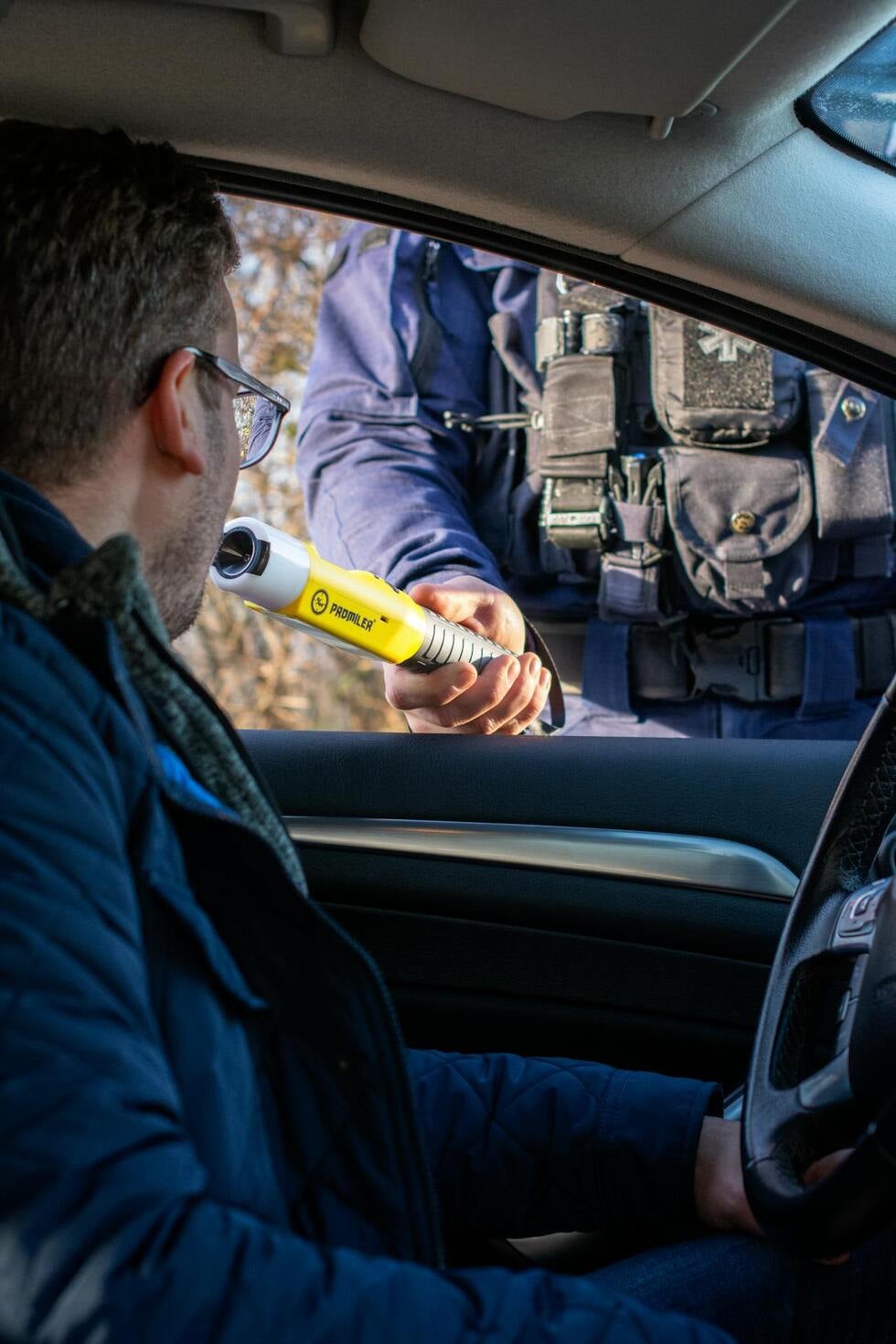
Building Your Defense Strategy
Testing the facts of the particular evidence in a DUI case is at the heart of a good defense. These details, including blood and breath test results, field sobriety exam notes, and arrest reports, are the foundation for both the prosecution's case and your defense options. A thorough checklist is essential: gather all police reports, lab certifications, calibration records for test equipment, and any video or audio material. Both help elucidate where the vulnerabilities in the case sit and what defenses exist. It is the knowledge of a DUI attorney that really makes the difference, as they understand how to interpret the complicated evidence, identify inconsistencies, and apply appropriate legal standards, including international best practices for evidence collection and analysis. By making sure you have all the documentation in order, you have a better chance of finding good defenses, whether the defense is scientific, procedural, or constitutional.
Challenging The Stop
Challenging the legality of a traffic stop can be a dispositive defense. Without probable cause, subsequent evidence might be declared inadmissible. If an officer cannot articulate why they made the stop, defending against a charge like erratic driving or a speeding violation, a defense can claim a lack of probable cause. Such successful challenges will exclude any subsequent evidence, resulting in a possible dismissal of charges. California case law and others recognize that baseless stops violate basic rights, providing a basis to exclude illegally obtained evidence.
Disputing The Tests
Defense strategies against field sobriety tests emphasize environmental conditions, the defendant's physical condition, and officer training. Chemical tests, such as breathalyzers and blood tests, are not without fault. Machines can be uncalibrated, lab procedures can lack third-party accreditation, and specific medical conditions, like type 1 diabetes, can bias results. They can bring in expert witnesses who can describe how factors like acetone or delayed testing, often done as much as an hour after driving, could cause a BAC to register higher than the legal limit. When test results conflict or seem inconsistent, the prosecution's case is less compelling.
Questioning The Procedure
It's crucial to go through every stage of the DUI investigation with an eye towards protocol adherence. Officers have to adhere to rigorous protocols from the initial stop through arrest and testing. Strays such as improper test administration or lost paperwork can make evidence inadmissible. A veteran attorney in these matters will parse every step, hunt for procedural mistakes, and argue for compromised evidence to be thrown out. This can tip the scales in a big way.
Beyond The Obvious Evidence
Beyond breath and blood tests, prosecutors in California DUI cases depend on a range of additional evidence. All these layers of documentation, observation, and testimony work in concert. They paint a more vivid image of the events and can be just as persuasive as chemical tests. For a conviction, prosecutors have to establish impairment beyond a reasonable doubt, so every detail matters.
Police Reports
Police reports are at the heart of DUI cases. They encompass the officer's initial observations, motorist conduct, and field sobriety test outcomes such as standing balance or straight line walking. Reports need to record physical symptoms – slurred speech, bloodshot eyes, or unsteady gait – that indicate intoxication. Officers record the stop time, how probable cause was established, and the timeline. If a report is hurried or incomplete, it can damage the prosecution. If there are inaccuracies or contradictions, such as contradictory BAC levels or failure to say the driver was asleep, the defense will use that to challenge the reliability. Defense teams love to explore if the report was filed immediately following the incident because fresh writing is harder to challenge as an invention. Ways to fight police reports involve revealing inaccuracies, demonstrating that field tests were not given properly, or highlighting that important observations were omitted.
Video Footage
Video from body or dash cameras is becoming increasingly critical. Video shows the officer's encounter with the driver, including field sobriety tests and the driver's behavior. This immediate record can confirm or refute the written account. If video captures the driver speaking coherently or moving at a normal pace, that can undermine assertions of serious intoxication. Video can indicate if the officer adhered to protocol like explaining why the person was stopped or the test directions. The defense can ask for this footage fast since records are often deleted in 30 to 90 days. Absent or partial video can lead to concerns about the depth of the investigation.
Witness Testimony
Eyewitness accounts provide a different perspective. Passengers, bystanders, or other drivers could report the driver's behavior leading up to or during the stop. Their tales can validate or contradict the officer's statements. Jurors consider witness credibility—was the witness sober and focused or prejudiced? Some of the most compelling testimony comes from neutral third parties. Conflicting statements or testimony that is inconsistent with police or video accounts can cast aspersions. The manner of testimony—lucid, detailed and consistent—counts as much as its content. Skillful questioning by lawyers can sometimes highlight gaps or reinforce key facts.
Conclusion
To construct a DUI case in California, the state extracts evidence from all directions. What evidence do they use to prosecute California DUI cases? Officers observe your driving, your speech, and your walk. Labs have numbers, but errors can sneak in there. Cops work with what they hear and smell, but they don't always nail it. Experts in the field know how to identify vulnerabilities in the state's case. They check the stop, the test, and what occurred next. Good defense work digs into the facts. For actual assistance, consult an attorney who practices DUI law where you live. Request a consultation for your case and let's start with the facts.
Frequently Asked Questions
1. What types of evidence are commonly used in California DUI cases?
Prosecutors typically use evidence such as breathalyzer results, blood test results, field sobriety test performance, police reports, and officer observations during the stop.
2. Is a traffic stop always legal in a DUI case?
No, a traffic stop has to be lawful. The officer must have probable cause to stop you, such as a traffic violation or erratic driving.
3. Can breathalyzer and blood test results be challenged?
Yes, you can challenge these test results. As with other types of drug tests, matters such as incorrect calibration, incorrect procedures or contamination can impact the reliability of the results.
4. What role do police observations play in DUI prosecutions?
Police observations, like slurred speech, alcohol odor, or poor coordination, are used as supporting evidence to show impairment.
5. Are field sobriety tests reliable evidence?
Field sobriety tests are subjective. Things like medical conditions, fatigue, or nervousness can impact the result, and they're easily challenged in court.
6. Can video or audio recordings be used as evidence?
Yes, dashcam and bodycam footage can capture driving, officer interactions, and tests administered, assisting to elucidate crucial incidents in the case.
7. How can a defense lawyer help in a DUI case?
A defense attorney can examine this evidence, dispute its reliability, and confirm the officers followed the law. This may result in reduced charges or dismissal.
Build a Strong DUI Defense with Evidence Strategy in California Courts
A DUI charge in California often hinges on one critical factor, the evidence. Prosecutors rely on police reports, field sobriety tests, breath or blood results, body camera footage, and witness statements to build their case. But evidence is rarely as simple or as reliable as it first appears. How that evidence was collected, documented, stored, and interpreted can dramatically influence the outcome of a DUI case in Alameda and Contra Costa County courts.
At Gorelick Law, we focus on the evidence from the very beginning. Every DUI case involves multiple layers of proof, including traffic stop justification, officer observations, chemical test procedures, chain of custody for blood samples, and the accuracy of testing equipment. Our defense strategy carefully reviews each piece of evidence to uncover inconsistencies, procedural errors, or violations of your constitutional rights. Even small issues, like gaps in documentation or improper test administration, can weaken the prosecution's case.
You don't have to face the California DUI system without experienced guidance. Visit Gorelick Law to learn how strategic evidence review can uncover weaknesses in the prosecution's case and strengthen your defense. Call for a free consultation and speak with a dedicated advocate who understands how DUI evidence is challenged in California courts. Your future deserves a defense built on facts, strategy, and careful analysis.

