
In California, driving while on probation carries more severe penalties and legal ramifications. Courts consider this a violation of probation, and it could result in jail time, extended probation, fees, or additional charges. California's probation rules usually require you to stay out of trouble and not drink if the court orders. Judges proceed swiftly with hearings and even harsher sentences when a DUI arrest violates these regulations. Individuals could incur license suspension, additional fines, and classes. The outcomes may differ because probation officers and courts evaluate the case details. If you want to find out what comes next or what your rights are, the main body will outline the laws, court process, and defenses in these cases.
Key Takeaways
-
Getting a DUI while on probation in California may lead to automatic probation revocation and much more severe legal ramifications, such as mandatory incarceration and increased fines.
-
Probation violation hearings have a lower burden of proof than criminal trials, so it is easier for the court to find a violation and impose more conditions or jail time.
-
Enhanced penalties for repeat DUI offenses can involve extended license suspensions, compulsory alcohol education courses, and even felony charges if there are aggravating factors.
-
The California DMV has its own set of penalties for DUIs, including automatic license suspension, that are independent of the criminal court process and should be addressed immediately to protect driving privileges.
-
Following your initial probationary requirements, which include abstaining from alcohol and engaging in no illegal activity, is essential to ending the cycle of infractions and hearings.
-
Seeking advice from a knowledgeable DUI attorney is crucial because a competent legal defense can help manage the DUI and probation violation proceedings, achieve the best outcomes through negotiation, and highlight mitigating factors.
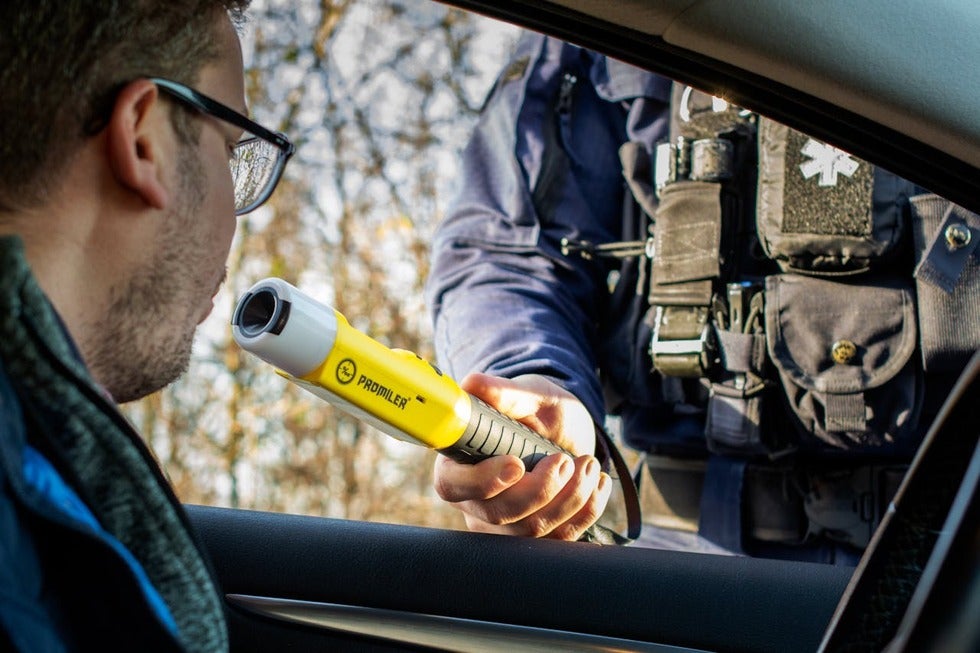
The Double Jeopardy Of A DUI On Probation
Getting a DUI while on probation in California can lead to serious consequences, including harsher penalties and potential jail time. This situation often results in new DUI charges, which may complicate your DUI case further, impacting your driving privilege and lifestyle.
1. Immediate Probation Revocation
A DUI automatically triggers a probation violation in California, leading to new DUI charges without the need for a conviction. Judges can impose harsher terms, such as an earlier curfew or more frequent check-ins. Disobedient probationers are more likely to end up behind bars. Losing probation status complicates efforts to maintain or reclaim driving privileges. Even a first slip may not result in leniency from the court.
2. The Violation Hearing
Following a DUI arrest, a hearing examines the probation violation. The rules differ from a trial, as the prosecution only needs to show a preponderance of the evidence, indicating it's more likely than not that you violated probation. This lower proof threshold can lead to extended probation, new DUI charges, or even revocation and harsher incarceration terms. Seeking legal advice is crucial at this stage, as these hearings are complex and proceed quickly.
3. Enhanced DUI Penalties
It's double jeopardy when a DUI occurs during probation, especially under California DUI laws. Even a prior conviction can escalate to a felony DUI if the new DUI charges are serious. Fines and court costs increase, and there are frequently mandated alcohol programs that can run up to 30 months. License suspensions can extend for a year or more, and the zero-tolerance law states that any amount of alcohol can lead to serious consequences and penalties, such as an ignition interlock device.
4. Mandatory Jail Time
If you face new DUI charges and get convicted again, jail time could be a serious consequence. The specifics of the DUI case and previous records influence the outcome, potentially leading to longer sentences that affect your ability to support your family.
5. Extended Probation Terms
Even probation terms can be lengthened due to DUI probation violations. Additional requirements like more check-ins, higher fees, and more limited schedules typically affect work, travel, and personal time.
Navigating The Probation Violation Hearing
When you're convicted of a DUI while on probation in California, this situation leads to what's known as a probation violation hearing. These hearings evaluate whether an individual breached their probation conditions, which usually include not reoffending and adhering to specific driving and testing rules. For example, DUI probationers are prohibited from driving with any alcohol in their system and must agree to field sobriety tests if stopped. A finding of a violation in a location like Orange County can result in serious consequences, including a county jail sentence.
A Lower Burden Of Proof
In a probation violation hearing related to DUI probation violations, the prosecution's burden is much lighter than in a criminal trial. They don't have to prove guilt 'beyond a reasonable doubt,' only that it's more probable than not that the violation occurred. To put it another way, anyone facing a DUI case should gather all supporting documentation, test results, and proof that they have adhered to probationary requirements. The judge will consider this information and determine whether a violation took place. If one can demonstrate substantial evidence of compliance, they may be able to sidestep the most severe sanctions or even have probation reinstated. The second is to be prepared and have a good defense lined up.
Potential Outcomes
Particularly in situations involving DUI probation violations, the judge's decision may differ. Reinstating probation, frequently with additional conditions, is one possible disposition. Another is a modification to the conditions, like more check-ins or counseling. The most severe outcome is revocation of probation, which can lead directly to jail. A violation of probation in Orange County is typically considered thirty to ninety days in jail, though the sentence can be longer for repeat offenders or more serious offenses, such as new DUI charges. Even if the result is in your favor, the court may impose additional probation conditions or community service, so continued compliance is essential.
The Judge's Discretion
|
Factor |
Impact On Decision |
|
First-time or repeat offense |
Leniency is more likely for the first time |
|
Severity of violation |
Harsher penalties possible |
|
Evidence of rehabilitation |
May reduce penalties |
|
Character references |
Can sway the decision |
|
Judge's prior case history |
Influences ruling |
Judges consider a few factors when evaluating DUI cases. A first-time DUI offender may be treated more leniently, particularly if they make an effort to improve, such as by enrolling in California DUI school or offering character references. Evidence of consistent employment or community service can also be beneficial, as outcomes may vary based on the circumstances and specific rules of DUI probation.
Facing The New DUI Charge
Getting charged with a new DUI while on probation in California complicates your legal matters significantly. The consequences of a DUI probation violation can be severe, as probation has strict conditions like no alcohol consumption, making even a small infraction a potential violation. The state punishes repeat DUI offenses harshly, and a new DUI will remain on your record for 10 years, making each subsequent charge more serious. If you are on probation, a new DUI charge could result in increased fines, longer community service, and more mandatory programs. Judges often impose harsher penalties, especially if there are aggravating factors such as a high blood alcohol concentration or an accident. You'll need to go to court, be arraigned, and possibly appear for multiple hearings. Most will advise that hiring the right DUI attorney can significantly impact your case, but it could be the difference between facing serious consequences and avoiding jail time.
Second Offense Consequences
-
Mandatory enrollment in DUI education programs
-
Increased fines and court costs
-
Jail time can be up to one year for recidivists.
-
Longer license suspension periods, up to two years
-
More probation time, sometimes with stricter terms
-
Possible community service or public work
-
Higher insurance costs and possible loss of coverage
-
Installation of an ignition interlock device (IID) is required
For your new DUI charges, if it's your second, you're going to have to enroll in a California DUI school. Each subsequent DUI offense results in increased penalties. Third and fourth DUI cases escalate to felonies, especially in circumstances involving injury or property damage. You could face a jail sentence, pay steeper fines, and endure a significantly extended probationary period.
Enhancing Circumstances
|
Factor |
Potential Impact On Penalties |
|
High BAC (over 0.20%) |
Longer jail time, bigger fines |
|
Auto accident with injury |
Felonies, restitution, jail |
|
2nd DUI refused breath test |
Longer suspension, harsher penalties |
|
Child in the car |
Additional counts, increased penalties |
|
Speeding |
Longer jail, tougher probation |
Aggravating factors can quickly up the ante. For instance, a crash that inflicts injury or a BAC well beyond the legal limit tends to result in harsher penalties. If any of these apply to your case, your defense needs to tackle them to assist in muting the results. Judges see this and tend to give harsher sentencing when they do.
Mandatory IID Installation
-
Get a court order for IID
-
Schedule approved installation with a licensed provider
-
Cover all costs for the device and monthly maintenance
-
Provide proof of installation to the court or DMV
-
Keep up with regular device checks and calibration
-
Don't attempt to tamper with or drive without an IID
Once ordered, you'll need to have the IID installed before you can drive again. You pay for the setup and upkeep of this device, which detects alcohol in your breath before ignition. It makes daily life more expensive and more of a pain, complicating your ability to get around on your own steam. If you don't use the device or miss your service dates, you could face serious consequences such as having your license revoked or going to jail for violating your DUI probation.
The DMV's Independent Penalties
The California DMV imposes its own administrative penalties for DUI, which operate independently of any criminal court outcomes. Even if you are acquitted in a DUI case, the DMV can suspend or revoke your driving privilege based on its assessment of the situation. These penalties are automatic and can be triggered by a DUI arrest or conviction, leading to serious consequences for your daily responsibilities. This dual system means individuals face penalties in both venues, each with distinct due process and timelines.
Automatic License Suspension
Even if you don't get a DUI conviction, your license might still get suspended by the DMV as an independent penalty, especially if you face subsequent DUI charges. For instance, if you're convicted of a second DUI, anticipate a two-year suspension. Sometimes, you may not be able to drive at all the first year. The DMV can require you to install an ignition interlock device (IID), which prevents your car from starting if it detects alcohol on your breath. Reinstating your license isn't automatic, but it typically requires paying fees, providing proof of insurance (usually an SR22 certificate), and completing a California DUI school that may last 18 or even 30 months. This process is costly and slow, potentially disrupting your work and family life if you depend on driving.
The 10-Day Rule
Once you're arrested for a DUI, you have a mere 10 days to request a hearing with the DMV to fight the license suspension, especially if you want to avoid serious consequences related to DUI charges. If you miss that window, the DMV will suspend your license anyway, irrespective of the DUI case in court. This hearing is where you can present your own evidence, such as proof of legal errors or issues with the arrest. You need to collect and submit information pronto, including police reports or witness statements, as delays can severely impact your driving privilege.
Restricted License Eligibility
During suspension, the DMV may permit you to request a limited license based on your specific case and adherence to conditions. To be eligible, you may have to complete a California DUI school, have an IID installed, and send in an application with insurance. With a restricted license, you can only drive for specific reasons, like going to work, the doctor, or attending DUI programs. It is not a complete solution, but it keeps you employed and addresses the basics. Their rules are rigid, and if you violate them, such as through a DUI probation violation, they can take away your driving privileges entirely.

Why Your Original Probation Terms Matter
In addition to being bureaucratic, your initial probationary terms specify what you are and are not allowed to do, which establishes the threshold for a DUI probation violation. In California, whether your DUI probation is informal or formal can shift the severity of the conditions. The terms you signed up for at sentencing, your legal BAC limit, and what constitutes a violation impact your liberty. Even a .01% BAC misstep can lead to serious consequences, including new DUI charges, if you are on DUI probation. Knowing these original probation terms is essential to avoid additional legal troubles and preserve your driving privileges.
"No Alcohol" Clause
If your probation has a “no alcohol” clause, it means you cannot consume any, not even a sip. This rule is firm. Even if your blood alcohol concentration (BAC) is a mere 0.01 percent, that will be cause for a DUI probation violation. For instance, if you have a glass of wine with dinner and you are stopped, you could fail a preliminary alcohol screening test and receive fines. Courts will often want you to prove you are sober with urinalysis, breath, and blood tests. A prolonged license revocation or thirty to ninety days in county jail are possible outcomes of failing or refusing any test.
Not drinking is non-negotiable. It's the heart of this provision. Even a minor slip-up, like using an alcohol mouthwash, may cause trouble in your DUI case. Judges don't gamble here, so it's safest to go with complete abstinence.
"Obey All Laws" Condition
Probation requires that you obey all laws, as any criminal charge, even as minor as a traffic offense, can lead to a probation violation. Getting a new DUI charge while on probation is a direct breach of the probation conditions. The court will view this as a breach of the terms, which could result in serious consequences such as additional jail time and fines. California's DUI laws are consistent throughout the state, although some counties, such as Los Angeles, may be a little more forgiving.
To avoid a DUI probation violation, it's not enough to merely stay out of trouble, and you must also maintain a clean record. If you are pulled over, you are required to comply with field sobriety or chemical tests when requested, as refusing can lead to a one- to three-year loss of your driving privilege.
Zero-Tolerance Implications
Zero-tolerance rules leave no margin for error. If your BAC is .01% or higher, that is a violation, even though the legal limit for most drivers is .08%. It is harsh because the state wishes to avoid recidivism. Even small mistakes, such as failing a court-mandated test, can have serious consequences, such as extended probation, additional jail time, or license restrictions.
Probationers should be prepared for random inspections and must comply with each term, even the tiniest ones. The court isn't going to ignore any small infractions.
A Lawyer's Strategic Blueprint
In California, individuals on probation are at risk of facing DUI charges, which can lead to severe consequences. The law is strict, and the hazards of a DUI on probation are significant. A skilled DUI attorney can help you navigate this complex legal landscape. Good attorneys ensure you are not alone in this process, but they scrutinize whether the police had a valid reason to pull you over and challenge the accuracy of breath or blood tests. They assess every detail of your DUI case, looking for weaknesses in the prosecution's argument. Being on probation comes with penalties such as fines, jail time, and license revocation, making it crucial to have a solid defense plan to protect your rights and avoid further violations.
Fighting Two Fronts
You have to fight the new DUI charges and the old probation violation proceedings simultaneously. Both can result in fines, so you can't neglect one to emphasize the other. A DUI attorney helps you handle both aspects effectively, ensuring your defense plan addresses the complete landscape of your DUI case. It's not just about the DUI, but it's about demonstrating to the court that you're seriously attempting to change your behavior. For instance, if the police stopped you without probable cause, your lawyer can challenge the stop. If the field sobriety tests were flawed, they contest the evidence, which can lead to a favorable outcome in your DUI case.
It's complicated quickly, as there are specific rules for every legal issue. The evidence in your DUI case may influence the probation violation hearing. A skilled attorney knows how to leverage this intersection in your favor, keeping your defense on track so that nothing slips through the cracks.
A good DUI attorney can make the process a lot less painful. You receive tips on when to talk, what to reveal, and how to behave in court, which can significantly increase your chances of a more favorable outcome.
Negotiating Global Resolutions
A smart lawyer seeks an opportunity to address both issues at once. We referred to this as a “global resolution.” It means you could take a plea deal that addresses both the DUI and probation violation simultaneously. You talk about the risk and what you stand to lose. Sometimes that's less time or a reduced fine.
Your lawyer lays out what bargains are likely available. They assist you in your cost-benefit analysis. We want to progress with fewer disruptions and lessen the likelihood of harsh penalties.
Highlighting Mitigating Factors
You must demonstrate to the court why your case requires a more lenient approach. Mitigating factors make a difference. Maybe it's a first infraction. Perhaps you're in rehab. Perhaps you have backing from your employer or loved ones.
Your lawyer assists you in accumulating evidence. Employer letters or evidence of counseling or community work can all help. These details can tip the scale when the judge determines your punishment.
Demonstrating you're serious about changing can go a long way. It's about more than punishment, and it's about rebirth and moving forward.
Final Remarks
DUI on probation in California means real trouble. Courts don't waste much time. You face both the original case and the new allegation. Judges look at your initial case and the new arrest back-to-back. That's right, the DMV can pull your license even before the court makes a decision. Probation rules determine the result. A lawyer shows you your options and guides you through each step. There is little room for error in these regulations. To get ahead, know your risks. Ask for advice in advance to avoid being caught off guard. If you want to know more or want help, visit the rest of the blog or contact us for case-specific answers.
Frequently Asked Questions
1. Can My Probation Be Revoked For A DUI?
Indeed, a new DUI is a serious infraction. They can revoke your probation and have you serve your original sentence.
2. Will I Have Two Separate Hearings After A DUI On Probation?
Yes, they will hold a probation violation hearing for the DUI case and a new DUI hearing, each with different penalties.
3. Does The DMV Impose Its Own Penalties For A DUI On Probation?
Yes. California DUI laws allow the DMV to suspend or revoke your driver's license, even before the disposition of your DUI case.
4. Are Penalties Harsher For A DUI If I Am Already On Probation?
Yes. Courts are likely to impose serious consequences, such as jail time and extended license suspensions, for someone facing DUI probation violations.
5. Why Do My Original Probation Terms Matter After A New DUI?
Certain rules, like zero-tolerance policies that prohibit alcohol consumption, may be part of your initial probationary period. A DUI probation violation can lead to harsher penalties.
DUI Consequences Beyond The Courtroom In California
A DUI in California doesn't end when you leave the courtroom. Even after fines are paid or a case is resolved, the impact can follow you into your daily life. From higher insurance rates and license restrictions to challenges with employment, housing, and professional opportunities, a DUI can affect far more than just your driving record.
At Gorelick Law Office, we've spent more than 30 years helping clients across California deal with the full scope of DUI consequences, not just the legal side. Attorney Lynn Gorelick understands how a DUI can ripple into background checks, job prospects, and personal reputation. We work to minimize those long-term effects, challenge the evidence when possible, and help protect your future at every stage.
A DUI case isn't just about what happens in court. It's about how that charge shows up in your life afterward. Our team will walk you through what to expect, explain your options in plain terms, and fight for the best possible outcome so you can move forward with confidence.
Don't let a single mistake create lasting setbacks. Contact Gorelick Law Office today for a free consultation and get the guidance you need to protect your future beyond the courtroom.
You deserve clarity. You deserve support. You deserve a real path forward. Let's fight for it together.
Disclaimer
The materials available on this website are for informational and entertainment purposes only and are not intended to provide legal advice. You should contact your attorney for advice concerning any particular issue or problem. You should not act or refrain from acting based on any content included in this site without seeking legal or other professional advice. The information presented on this website may reflect only some current legal developments. No action should be taken based on the information on this website. We disclaim all liability concerning actions taken or not taken based on any or all of the contents of this site to the fullest extent permitted by law.

