
Will a DUI show up on background checks in Contra Costa County? DUI arrest and conviction records are included in California's public criminal records that employers and other agencies can review during background checks. The county complies with state law permitting background check companies to access court records, including DUI cases, unless the record was sealed or expunged by the court. School, health care, and government jobs typically require complete criminal history checks, so if any aren't cleared, a DUI can show up. For most positions, background checks typically cover the past seven years, although some may go beyond that period. The body will discuss how background checks operate, what information they reveal, and what procedures clear or restrict access to DUI records.
Key Takeaways
-
DUI offenses typically appear on background checks in Contra Costa County through both criminal databases and driving records. The level of detail depends on the type and depth of the check conducted.
-
Employers may receive different information depending on whether the DUI was a misdemeanor or felony and if it led to an arrest or conviction, with convictions being more likely to affect employment decisions.
-
Expungement and record sealing are available in California for certain DUI records, but they require meeting specific criteria.
-
California's ‘Ban the Box' law provides some protections to applicants with DUI records by postponing inquiries about criminal histories until further along in the hiring process. This encourages equitable employment chances.
-
Online court portals, news archives, and social media can leak or augment DUIs beyond background checks, requiring proactive reputation lifecycles.
-
Know your rights to dispute background check inaccuracies and practice strategic disclosure and communication when navigating job applications post-DUI to boost your employability.
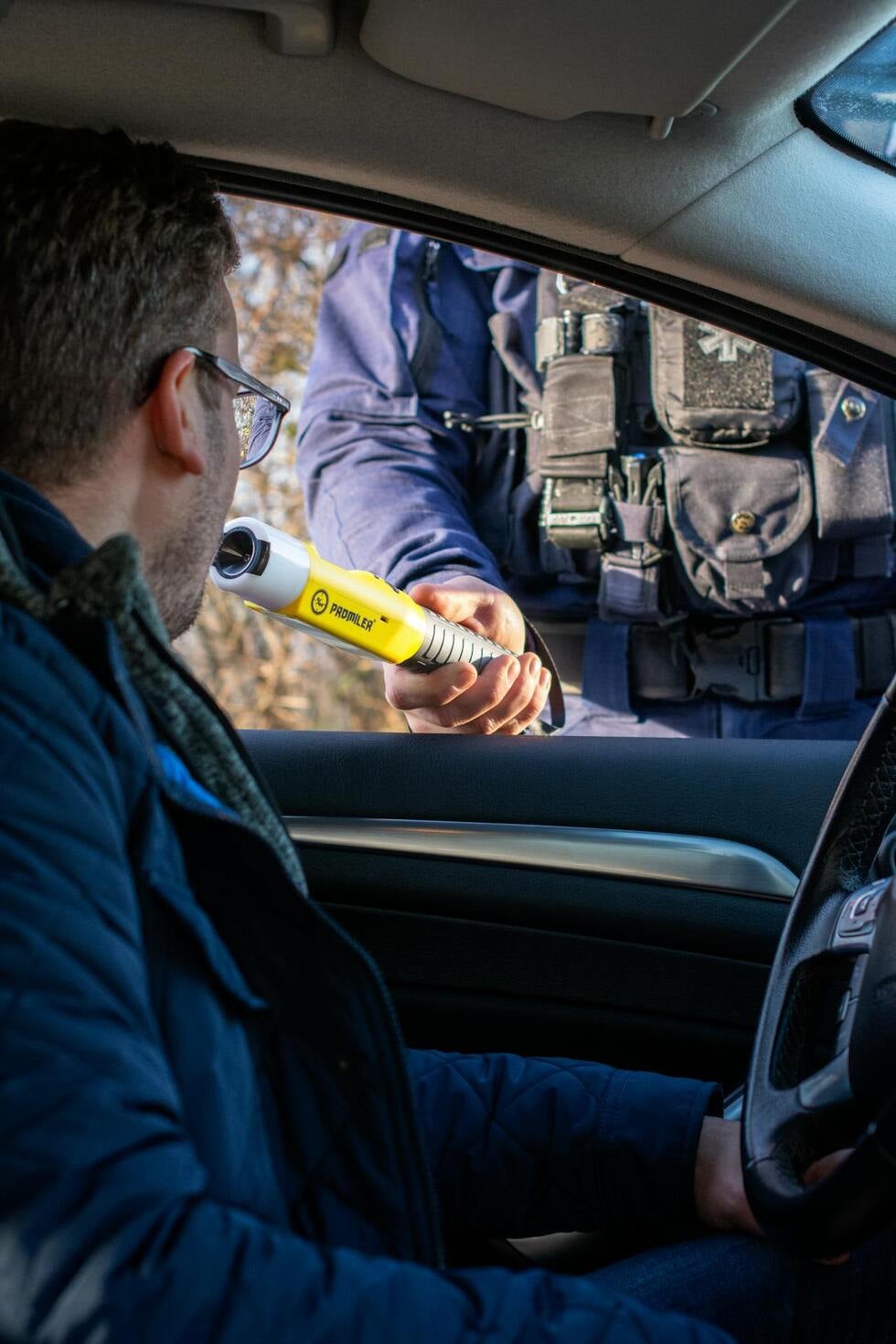
How DUIs Surface On Contra Costa Checks
How do DUIs surface on Contra Costa checks? These checks tap a variety of sources, each with varying degrees of detail regarding DUIs. Knowing how each database functions informs job seekers and employers about what to expect.
1. Criminal Databases
California accesses the state and national criminal databases. Local courts forward DUI convictions to the California DOJ and sometimes even the FBI. We are talking about databases that contain information on both misdemeanor and felony DUI charges. DUI updates occur as cases close and are reported from courts. Delays can occur if a court is backlogged or slow in processing paperwork. Mistakes or old information can lead to lost employment opportunities or misunderstandings. Therefore, reviewing your own record now and then ensures that records are accurate.
2. Driving Records
The California DMV maintains extensive driving records for every licensed driver. A DUI pops up as a violation, and insurance companies use this data to make rate decisions. In California, a DUI remains on your driving record for ten years. Some states retain DUIs on file for life or as long as seven years. If an employer does a driving record check, the DUI will show up, even if not found on a simple criminal background report. These records don't always correlate with criminal checks, as cases sometimes resolve with different outcomes in the court versus DMV records.
3. Report Variations
Background check reports vary depending on what the employer requests. A basic criminal check may list a DUI as a misdemeanor, but a detailed screening might return court documents, probation conditions, and even failed breathalyzer results. Some employers do a criminal check, which misses DUIs on driving records. Third-party background check companies rely on various sources, so some reports may include older DUIs, but others don't, if they are beyond reporting time limits. Understanding which report will be used allows job seekers to anticipate questions.
4. Check Levels
Entry-level jobs in Contra Costa usually run simple checks that display only recent criminal convictions. Jobs that require driving or security clearance may conduct deeper checks that uncover both criminal and DMV records. The level of detail varies. A simple check might miss an old DUI, while a federal check will show nearly all past offenses. Knowing how deep a check is helps applicants gauge what will surface.
5. Retention Periods
A DUI in California remains on a driving record for 10 years. The criminal database can retain it longer depending on the case type. Misdemeanors can fall off in 7 to 10 years, but felonies or multiple offenses can remain indefinitely. In other states, the reporting period may be shorter or longer depending on local law. The Fair Credit Reporting Act caps certain reporting at seven years, but there are exceptions for positions that pay above a threshold amount or are related to public safety.
What Employers Actually See
Employers in Contra Costa County who conduct background checks will have direct access to detailed DUI information, depending on the background check type they use and their regional reporting policies. How much they actually see is influenced by things such as the difference between a DUI arrest and conviction, the degree of the charge, and expungement. In reality, most employers see conviction records, which are far worse marks against a job applicant than arrests. Whether it is a misdemeanor or felony makes a huge difference in how a candidate is perceived, not just as a liability, but in terms of insurance costs to businesses. Expunged records add a layer of protection as well, but don't always guarantee full privacy.
Conviction Vs. Arrest
A DUI arrest means you were arrested for suspected driving under the influence. It doesn't mean you're guilty. A DUI, on the other hand, comes from a court finding or guilty plea. Employers generally see both on full background checks, but convictions are what count. An arrest without a conviction may seem like a half-truth or a loose end. Yet it can still signal poor judgment or conduct, particularly if it's found in conjunction with other legal trouble.
An arrest record, even in the absence of any conviction, can hurt job prospects, as some employers might think the person is unreliable or has a pending legal risk. In places with robust legal protections, employers might be restricted in their use of arrest records. Convictions become a permanent criminal record and can show up on background checks for years or even decades, based on state laws.
Misdemeanor Vs. Felony
|
Classification |
Possible Penalties |
Reporting Duration |
Employer View |
|
Misdemeanor |
Fines, short jail (≤1 year), probation |
7-10 years or longer |
Concerns about judgment |
|
Felony |
Longer prison, higher fines, license loss |
Indefinite or permanent |
Major liability, higher risk |
Felony DUIs typically come with aggravators such as injury, repeat offenses, or high BAC. Because of greater liability and insurance costs, employers are more hesitant to hire candidates with felony convictions. Even a misdemeanor can be a red flag, but a felony is almost always a deal breaker when it comes to employment, especially if the position requires driving or public trust.
Expunged Records
-
Send a petition to expunge it to the court in which you were convicted.
-
Complete all probation terms and pay the required fines.
-
If necessary, attend a court hearing to argue the expungement.
-
Receive a court order granting expungement if approved.
Once a DUI is expunged, it is expunged from the public criminal record but may still be available to police and certain employers, such as for sensitive roles. Expungement restricts most private employers from accessing it, but it doesn't wipe the conviction from driving records or federal databases. Certain legal and professional licensing boards can still request expunged convictions, as can insurance companies. It's cathartic, but not necessarily confidential or immune from future fallout.
Your Rights During A Background Check
Your rights during a background check in California, Contra Costa County. Knowing these rights is crucial, especially if you have a DUI on your record. State and federal laws establish clear standards for consent, disclosure, and dispute resolution. Knowing these will help you through the job application process and safeguard your rights.
California's "Ban The Box"
-
The law prohibits most employers from inquiring into criminal history, including DUIs, on initial job applications.
-
Covers public agencies and private employers with five or more employees.
-
Employers can only take criminal records, such as a DUI, into account after making you a conditional job offer.
-
Assists with early-stage discrimination against applicants with misdemeanors.
-
Provides candidates a more equitable opportunity to demonstrate their competencies and background up front.
A DUI won't pop up in the initial first-round job screening because of this law. Only after a conditional offer can an employer check your record. This waiting period decreases bias and allows candidates to provide explanations. The law doesn't magically wipe the DUI from your record, but it helps minimize automatic rejection.
Accuracy Disputes
You must be notified if a background check is run, and you must give written permission. Under the FCRA, you are entitled to request a copy of your background report and be informed of its contents. If you find a DUI listed in error, act fast: write to the screening agency and the employer, explaining the mistake. Include evidence, like court documents, that the charge was dismissed or expunged.
You need to act fast. A mistake could cost you job opportunities. If the agency verifies the error, they must correct it and notify the employer. Certain states restrict how far back a background check can go, such as 7 or 10 years, meaning more ancient DUIs may not show up. An accurate, current record helps you get a job and get treated fairly.
Disclosure Rules
You have to be informed in advance in writing if such a check will be conducted, and your written permission must be obtained. You're not obligated to disclose a DUI unless a contingent offer has been extended or the employer requests it at the appropriate phase. Lying or concealing a conviction when inquired about can result in termination or a rescinded offer.
Trust is built on honesty. Certain employers may inquire about sealed or expunged DUIs for select positions, such as government roles. Not every expunged record is completely hidden, but certain agencies still view them. Being transparent in the legal process shows future employers that you're tender and trustworthy.
The Digital Footprint Beyond The Check
A DUI can define more than the official record. In the digital era, remnants of a DUI can extend past background checks to impact reputation, career opportunities, and professional image. Contra Costa County is no different from most parts of California. Separate, but sometimes not so separate from the legal footprint, there is the digital footprint of a DUI. A DUI remains on a person's criminal record and, depending on the state, can be visible for years or forever. Even if cleared, digital trails or online presence can remain, affecting how others perceive someone well beyond the original conviction.
Public Court Portals
Public court portals in CA give wide access to legal records, including DUIs. These portals allow anyone from potential employers to nosy acquaintances to search and find case information. The implications are significant: a DUI case that is publicly accessible online means that the information is no longer confined to official reports or background checks. Employers use these portals not only to cross-check candidates' disclosures but also to look for any undisclosed legal problems. Since some occupations, such as those in driving, healthcare, or finance, require licensing, a publicly documented DUI could prompt additional review or even disqualification. It's important to check your own court records for mistakes or obsolete information. Wrong or unfair information can affect chances. Periodic checks help make sure that any expungements or updates are mirrored, reducing the likelihood that stale data influences decisions.
Local News Archives
The digital footprint beyond the check. A DUI arrest or conviction in the news can be searchable online years later, well after the legal consequences have subsided. These articles can impact employers' opinions, particularly for positions that entail public trust or deep responsibility. Because news stories stick around, even if a DUI is expunged or sealed, the story itself may not be. What to do when you've got negative press: proactively request corrections, optimize your positive coverage to the top, or get legal advice on harmful inaccuracies. About: The Digital Footprint Beyond The Check
Social Media Impact
Social media profiles serve as a de facto reference. Posts, comments, or photos referring to a DUI, directly or indirectly, can inform impressions of dependability and judgment. Sharing details about a DUI on Facebook, X (ex-Twitter), or Instagram is risky. Even if deleted, the content might be archived or copied and shared by others. Most employers now check social media as a hiring screener, looking for judgment, signs of character, and more. Curating your digital footprint beyond the check entails choosing privacy settings wisely, deleting questionable posts, and emphasizing material that demonstrates maturity. This approach presents a well-rounded, positive image that helps career aspirations in spite of a prior blunder.

Can You Clean Your Record?
How To Clear A DUI From Your Record in California. Things like expungement and record sealing each have their own actions, criteria, and advantages. Understanding your options is crucial if you're seeking a clean slate. California's Clean Slate Laws (AB 1076 and SB 731) have transformed how records are managed. Legal assistance can go a long way in facilitating this process.
Expungement Process
To expunge a DUI, you must have completed probation and not have been sentenced to state prison time. Under Penal Code 1203.4 PC, if you've completed everything they asked, you can petition the court to clean your record. It involves getting court records, filing a petition, and sometimes a hearing. It depends on the type of check and your jurisdiction, but there may be a fee to process the request. It could take a matter of months from beginning to end.
Expungement doesn't erase the DUI, but it alters the record to reflect that it was dismissed. That's useful when job hunting, since most employers in California can't inquire about expunged convictions. Expungement doesn't touch your driving record, where a DUI pops up for 10 years. Certain licensing boards and government agencies can still access expunged records, so it's not a complete wipe.
Sealing Records
Sealing a DUI record means making it unavailable to the public, but it's not the same as expungement. If you weren't convicted or completed a diversion program, you could have qualified for sealing. The new Clean Slate Laws assist more individuals in sealing qualifying records. Sealing is great for job applicants because a lot of screening won't show sealed cases, and it eliminates an obstacle to employment.
Expungement changes it to ‘dismissed.' Sealing conceals it from the majority of searches. They both assist, but sealing provides greater confidentiality. If you were convicted, not all cases get sealed.
Legal Assistance
Checklist for legal help:
-
Criminal defense lawyers
-
Record-clearing specialists
-
Legal aid groups
Experienced DUI attorneys understand the nuances of new laws and can direct you through paperwork, hearings, and deadlines. Legal assistance minimizes mistakes and last-minute delays, which boosts your odds for an efficient process and enhanced outcome.
Navigating Job Applications Post-DUI
We're talking about a DUI here, which has the clout to completely alter your trajectory in the working world. Most employers, particularly global companies, run background checks as part of their screening process. In Contra Costa County and beyond, a DUI might appear in these checks, potentially for years or permanently, depending on the local and national guidelines. Professional licenses may be impacted, with licensing boards frequently issuing punishments from warnings to license suspensions. There are thousands of people with DUIs like you who are wondering how to deal with job applications, interviews, and the rest of their careers.
When To Disclose
DUI disclosures are never easy. Most job applications ask about criminal convictions, but differ on whether you must disclose. Others, such as Colorado, have ‘ban the box' laws that prohibit employers from inquiring about convictions on preliminary applications. The truth comes out eventually, particularly if you're applying for a job that involves driving, safety, or necessitates a background check.
It's tempting to wait, but waiting just makes you lose trust. If an employer hears about a DUI from somewhere else, it can be interpreted as lying. It's important to check your employment handbook and contract to see what you need to disclose and when. In most fields, particularly those with zero-tolerance policies regarding criminal behavior, dishonesty can lead to instant rejection or later firing.
Just being upfront when it's appropriate establishes trust. It demonstrates character and gives you a chance to explain the situation before it is assumed.
How To Explain
How to explain a DUI interview: Concentrate instead on what you learned from the experience, not just the facts of the incident. Discuss what you have done to make certain it won't occur again. Be upbeat and straightforward.
Explain what you did differently after the conviction. Highlight any therapy, counseling, or rehabilitation that you attended. Make it clear that the DUI was a one-time thing and not indicative of who you are. This strategy can demonstrate maturity and accountability.
That's not to say you shouldn't address it. Communicating effectively can help ease an employer's concerns. It shows you're proactive and serious about your career.
Demonstrating Growth
Personal growth is what counts after a DUI. They want to see that you've done something about it, such as rehab, counseling, or whatever. Writing about these attempts can strengthen your story.
Community service and local projects can demonstrate that you've changed. Being involved in these things shows that you're working on yourself. For positions involving professional licenses or commercial driving, demonstrating completion of any required programming is key, as federal regulations levy severe sanctions on recidivists.
Final Remarks
A DUI in Contra Costa County will appear on most background checks. An employer can discover this record, and it can impact career opportunities. Rights matter, so being aware of what employers see assists people in charting their next move. Expungement can clear a record, but this is an action and follow-through that is required. Online footprints can linger, so smart surfing habits count as well. Job hunting post-DUI requires patience and candid checkbox answers. Many people move on and get good jobs, even with a slip-up. For more on clearing your record or job search tips for a DUI, see our other guides or contact legal support.
Frequently Asked Questions
1. Can Employers See All Details Of My DUI?
Employers frequently view the conviction and date, and cannot view personal or sensitive information unless legally permitted.
2. Can I Remove A DUI From My Record In Contra Costa County?
While you can have a DUI expunged, it depends on your case and certain legal requirements.
3. Will A DUI Affect My Job Application In Contra Costa County?
DUI can affect employment opportunities, particularly if the job involves driving or handling sensitive information.
4. Do I Have To Tell Employers About My DUI?
You have to answer honestly if convicted on employment applications unless your record is expunged.
5. Are Background Check Laws The Same Everywhere In California?
Background check regulations are consistent across California, although there may be some minor variations in local policies or employer approaches.
DUI Consequences Beyond The Courtroom In California
A DUI in California doesn't end when you leave the courtroom. Even after fines are paid or a case is resolved, the impact can follow you into your daily life. From higher insurance rates and license restrictions to challenges with employment, housing, and professional opportunities, a DUI can affect far more than just your driving record.
At Gorelick Law Office, we've spent more than 30 years helping clients across California deal with the full scope of DUI consequences, not just the legal side. Attorney Lynn Gorelick understands how a DUI can ripple into background checks, job prospects, and personal reputation. We work to minimize those long-term effects, challenge the evidence when possible, and help protect your future at every stage.
A DUI case isn't just about what happens in court. It's about how that charge shows up in your life afterward. Our team will walk you through what to expect, explain your options in plain terms, and fight for the best possible outcome so you can move forward with confidence.
Don't let a single mistake create lasting setbacks. Contact Gorelick Law Office today for a free consultation and get the guidance you need to protect your future beyond the courtroom.
You deserve clarity. You deserve support. You deserve a real path forward. Let's fight for it together.
Disclaimer
The materials available on this website are for informational and entertainment purposes only and are not intended to provide legal advice. You should contact your attorney for advice concerning any particular issue or problem. You should not act or refrain from acting based on any content included in this site without seeking legal or other professional advice. The information presented on this website may reflect only some current legal developments. No action should be taken based on the information on this website. We disclaim all liability concerning actions taken or not taken based on any or all of the contents of this site to the fullest extent permitted by law.

