
Can inconsistent officer testimony weaken a DUI case in California? When an officer provides mismatched testimony from reports to court hearings to depositions, the confidence in the officer's version of events can decline before the court. Judges and juries want to hear a clear, consistent story from law enforcement at a DUI trial. If critical information regarding the stop, field tests, or observations fluctuates, the defense can highlight these inconsistencies. We have had several cases in California where charges were reduced or dismissed when officer testimony was not consistent. Understanding how these things can alter a DUI case makes both sides better prepared. The following sections will dissect how such testimony impacts procedure and results.
Key Takeaways
-
I understand that in an effort to better protect citizens' rights, the law in California has been amended so that inconsistent officer testimony can weaken a DUI case.
-
Inconsistencies between police reports and courtroom testimony, particularly about the initial stop, how and where the sobriety tests were performed, and physical observations can potentially damage the officer's credibility with the court.
-
Officers must follow protocol for sobriety and chemical tests. Inconsistencies or officer errors in California DUI cases can weaken a case.
-
Human error, memory lapses, and subjective bias can all play a role in the consistency and reliability of officer testimony. Comprehensive cross-examination and careful report review are essential for the defense.
-
Your defense should seek and exploit inconsistencies, with expert testimony if warranted, and ensure procedural requirements were met during the investigation.
-
Retain experienced counsel and arm them with a deep understanding of officer conduct, reports, and testimony and you're on the path to an effective DUI defense.
The Officer's Central Role
Police officers play a pivotal role in DUI cases because their testimony tends to frame the case from beginning to end. Their testimony, logs, and observations from the traffic stop can make or break the case for both prosecution and defense. The officer is often the key witness, and the way they remember and describe things can be at the heart of the prosecution's case. Their descriptions of how the driver behaved during and after the stop can assist the court in determining whether the driver was truly impaired. These insights are more than mere trivia. They frequently lead the court to develop its own impression of the facts.
Officer observations are important if they're consistent and systematic. If an officer's statements are inconsistent or don't align, it significantly complicates the prosecution's efforts to establish guilt. How an officer describes the field sobriety tests—walk-and-turn, one leg stand, etc.—can indicate if they were administered correctly. If the officer was sleepy during the stop, they could confuse the protocols or issue erroneous orders. For instance, if an officer negligently neglects to remind the driver to count aloud or inspect for bad lighting, those minor lapses can alter the test results and bring their testimony into question.
An officer's demeanor on the stand can influence a jury. If they appear uncertain or fumble when cross-examined, the jury will begin to question what they witnessed. Fatigue is a huge factor here. A drowsy officer could be more error prone and come across as less sharp or less confident on the stand. Jurors are trained to see this sort of thing, and a defense attorney can exploit it to his client's benefit. An attorney may request duty logs to demonstrate the officer was sleep-deprived or they may point out flaws in the conduct of the sobriety tests.
Law enforcement's job is to demonstrate that there was a legitimate reason—probable cause in legal terms—for pulling someone over and arresting them for DUI. This implies demonstrating that they adhered to regulations throughout. Take breath tests, for instance. The officer must observe the driver for no less than 15 minutes prior to the test. If they miss this step, the exam might not even register. All of these rules exist to keep the process equitable and the outcome honest. When officers err, be it from exhaustion or plain error, they can make mistakes anywhere throughout the process, from initial detention through ultimate breath analysis.
How Inconsistent Testimony Weakens a DUI Case
How contradictory officer testimony can kill a DUI case in CA When an officer's testimony is inconsistent, it can muddy the facts and generate uncertainty as to what actually occurred. Minor blunders or fuzzy responses can accumulate, rendering the case tenuous for the prosecution.
The Initial Stop
If an officer's testimony regarding why they pulled over a driver is inconsistent, it puts the legal justification for the stop into doubt. For instance, if in the report the car was swerving and in court the officer says the driver failed to signal, it's not clear which one is correct.
PAL reasons for a stop are critical. If the officer can't account for the traffic violation or confuses the details, the defense might claim the stop wasn't justified in the first place.
Botched procedures at this point, such as failing to administer mandatory steps or providing contradictory justifications, can get evidence tossed. If the officer's version of the violation is inconsistent or unclear, a judge might rule that the stop was illegal.
Sobriety Test Performance
Shifts in officers' description of how field tests were administered can cast doubt on reliability. If the officer says the suspect stumbled in the report, but says in court the person just ‘lost balance,' it creates doubt.
Sometimes, fatigue or poor weather can be the culprit. If the terrain was rough or the light dim, the tests might be unfair, and officers might offer conflicting testimony about what occurred.
Video, if you're lucky, can prove what really went down. If the video doesn't line up with the officer's testimony, the defense can use that against the case.
Physical Observations
If officers backtrack on what they saw, like saying someone smelled of alcohol in one report but failing to mention it later, it can weaken the case. Good notes count.
An officer's opinion can be influenced by what they anticipate to observe. One officer might believe slurred speech is evidence of impairment, while another might believe it is nerves. Medical issues can cause “drunk-like” symptoms, muddying the waters even more.
Chemical Test Protocol
Breath and blood tests have to be done by the book. Failing to play by the rules can mean that the results don't matter. If the officer can't keep their story straight about how the test was administered, that undermines the evidence.
Errors, such as neglecting to wait the 15-minute interval before administering a breathalyzer, make the test results more suspect. If blood samples aren't handled properly, the defense can claim that the evidence is useless.
Report Versus Courtroom
The police report and the officer's testimony in court should be consistent. If they do not, the defense can highlight the holes.
Good records are critical. If the officer's report is incomplete or inaccurate, it becomes difficult to believe their assertions. Lawyers love these blunders to try to undermine the entire case.
Strategic Use of Discrepancies
Discrepancies in officer testimony are huge in DUI cases in California. When two or more officers provide conflicting reports or when their statements don't align with the truth, these inconsistencies erode the prosecution's case against the defendant. Minor errors or inconsistent specifics in field sobriety tests, such as if the test location was windy or poorly lit, can call into question the officer's precision. If the report says the defendant tripped but the video shows tripping wasn't there, that discrepancy is significant. Even minor blunders, such as failing to serve the 15-minute time window before a breath test, can transform the entire result.
- Go over all police reports and look for discrepant facts or ambiguities.
- Juxtapose the officer's report against the defendant's version to identify inconsistencies.
- Mention your officer's tell-tale changes during trial.
- Ask the officer about situational factors, such as lighting or weather, that might account for test performance.
- Use expert witnesses to discuss how police errors can cause incorrect test results.
- Demonstrate how test-taking shortcuts or errors can impact outcomes.
For juries, we are instructed to look at the believability of every witness. Making an officer's tale inconsistent with itself or inconsistent with the truth gets jurors wondering what else part of the tale is incorrect as well. For instance, if an officer testifies that the defendant flunked a field sobriety test, but the video or a different officer claims otherwise, that introduces skepticism. A defense lawyer can use cross-examination to highlight these gaps, one by one, and ask direct questions about every step. If the officer can't account for why the story shifted, it casts additional suspicion. If the officer can't remember details or provides new facts that were not in the report, that can assist the defense even further.
Sometimes expert witnesses are brought in to highlight how a test could have returned a false positive or that the officer skipped a step. This lends credence to the assertion that error or prejudice was involved. The defense should be ready to take advantage of every gap by studying all reports, the defendant's recall and videos. Every gap is a strategic weapon to sow suspicion and demand a favorable decision for the accused.
The "Human Error" Factor
Human error is always a potential hazard in any police procedure, including DUI stops in California. Even good officers make mistakes on the street. Fatigue and stress, along with the quick tempo of roadside work, influence how officers recall, report, and analyze what they observe. These lapses can cause irregularities, and minor errors in testimony or paperwork can influence a DUI case.
Memory Lapses
- Officers can forget important information during extended shifts or under pressure.
- Remembering details about field sobriety tests, like the one-leg stand, gets tougher over time.
- Hectic directions or hurried instructions at a stop can cause miscommunications for the officer and the motorist.
- Small things, like a little weaving or what the stop was for, get mis recalled.
Stress has a direct effect on memory. Officers under pressure can unwittingly complete gaps or depend on assumptions, particularly when testifying in court months after an incident. Memory problems frequently become evident at cross examination when lawyers highlight inconsistencies or absent details in order to cast doubt on the officer's credibility. In reality, emphasizing these holes can assist the defense in casting suspicion on the officer's account.
Reporting Shortcuts
Checklist for police report review: * Is every observation timed?
- Is the 15-minute pre-breath test observation documented?
- Do they provide specific details of field sobriety test instructions and results?
- Are environmental factors, such as weather and lighting, recorded?
- Is there any discussion of equipment calibration or maintenance?
When officers prioritize haste over precision, crucial information gets missed. Blitz reports can omit the reasons behind bloodshot eyes; alcohol may have nothing to do with it. Documentation shortcuts, such as not describing why the breathalyzer wasn't properly calibrated, can erode the evidentiary value in court. Defense teams frequently fight these holes, claiming that missing or ambiguous records render the outcomes unreliable.
Subjective Bias
Or the ‘human error' factor — personal bias colors what officers observe, document, and remember. An officer's assumptions that watery eyes or a bit of swaying indicates impairment may lack nuance. Objectivity is crucial but difficult to maintain, particularly in situations of stress or in neighborhoods with tense police relationships. If a lawyer identifies cause for bias or embellishment, they can leverage this to impeach the officer's character. In some cases, even tiny, subjective errors such as overstating the driver's behavior can alter the case's trajectory.
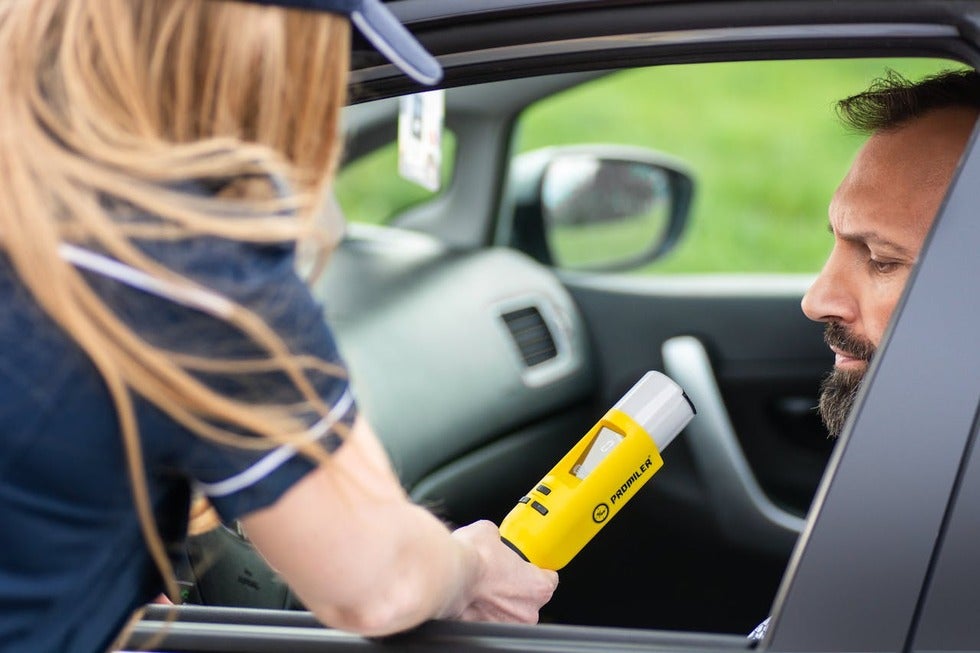
The Court's View on Credibility
In California DUI cases, courts focus heavily on the credibility of witnesses, especially police officers. Judges and juries look at how reliable and honest each person seems when they give their side. The California Evidence Code, Section 780, lists the things courts can use to judge if a witness is believable. This includes checking if a person seems honest, if they say the same things at different times, and if they have ever been caught lying in the past.
To judges and juries, the demeanor of an officer is everything. They notice whether the cop's tale is consistent or wavers when pushed. If an officer tells one story at the roadside and a different one in court, this erodes the confidence of those in the courtroom in the officer's recollection. For instance, if an officer states in a police report that the driver was swerving but then later says the driver stayed in the correct lane, this contradiction can damage the officer's credibility. The law even allows attorneys to introduce prior acts of lying on the witness's part, as described in Section 780(k), so the court can determine if such a history renders their current testimony less credible.
As far as the Court is concerned, reliability is important. If an officer holds to a single narrative and responds to hard questioning in a uniform fashion, their testimony is more credible. If the officer flips his responses, or if his tale conflicts with other details, it reflects poorly on the case. The Court on credibility instructs the jury to apply common sense and their own life experiences to determine if a witness's narrative is believable. Even minor details, such as whether an officer was fatigued or distracted during the arrest, can be significant. Tired witnesses tend to have more difficulty getting their observations or recollections accepted by the court.
A police officer's stellar or bad reputation and history matter as well. If the officer is reputable, their word is worth more. If they have a track record of issues, the court might be more cautious in believing them. Here's what these details tell us about why credibility can be the difference between winning or losing a California DUI case.
Fortifying Your Defense Strategy
Constructing a rock solid defense in a DUI case with contradictory officer testimony involves examining every aspect of the arrest and the evidence. Mistakes or muddled narratives by police not only create reasonable doubt; they can create actual avenues for a successful defense. The initial process is to examine everything surrounding the arrest, from when police made contact to how evidence was managed. In California, bungles like not reading Miranda, employing improper checkpoint tactics, or short-circuiting the arrest procedure can all provide you with the leverage you need to contest an arrest's legality. When the police report has errors, like a mis calibrated breath test machine or confusing your asthma with your alcoholism, these concerns demonstrate the prosecution's narrative is shaky.
Teaming up with an experienced DUI lawyer is crucial. These attorneys know how to identify vulnerabilities in the prosecution's case and leverage them for you. They assist you in adhering to deadlines, such as filing for a DMV hearing within 10 days to challenge a license suspension. A good lawyer will drill into the details, making sure every fact in the police report, every test result, and the rest of the evidence is crosschecked for inconsistencies. They understand that California law places the burden on the prosecution to prove you operated under the influence. If the officer's story shifts or important details don't align, a skilled attorney can demonstrate how that rattles the prosecution's argument.
Expert witnesses make a significant impact. These are experts who can describe how police should behave, how breath or blood tests work, and why mistakes occur. For instance, they could demonstrate that the breathalyzer was not calibrated properly or that mouth alcohol from a medical condition caused a false positive. In California, regulations such as in Title 17 establish specific testing steps, and if the officer omits any, the expert can argue that the findings cannot be relied upon.
To capitalize on officer inconsistencies, your defense must highlight the defects in an obvious, straightforward manner. Present arguments that highlight the weak points in the prosecution's case, with supporting evidence and expert testimony. Examples from the real world, like a test not following Title 17 or a missed Miranda warning, provide serious ammunition to your argument.
Conclusion
To beat a DUI charge in CA, every bit of minutia matters. Gaps in an officer's story can make a big difference. Courts scrutinize officers' statements and their consistency with the facts. Even minor slips can create doubt. Good lawyers know how to spot these slips. They apply them to a strong case. Real cases demonstrate that these types of errors, a run of the mill report mix-up or a phrase misspoken on cross-examination, can sway a jury. To strategize your next moves, consult an attorney who understands the process. Tell all. Save your notes. Be alert to the details! To gain a stronger handle on your own case, query and seek guidance from a DUI law insider.
Frequently Asked Questions
1. Can inconsistent officer testimony really affect a DUI case in California?
Yes. Inconsistent testimony can cast doubt on the reliability of the officer. This can damage the prosecution's case and assist the defense.
2. What types of inconsistencies might occur in officer testimony?
Inconsistencies can range from contradictory statements about the driver's conduct, test results, or the process of arrest. These inconsistencies can undermine the officer's credibility.
3. How can a defense lawyer use inconsistent testimony in court?
A defense lawyer can use these inconsistencies to challenge the officer's reliability. This might convince the judge or jury to question the evidence.
4. Does the court always accept “human error” as an excuse for inconsistent testimony?
Not necessarily. Although small errors can be forgiven as human error, repeated or material inconsistencies can diminish the officer's credibility before the court.
5. Can officer testimony alone convict someone of DUI?
Officer testimony is crucial, but it's not sufficient. Your physical evidence, your test results, your other witnesses – the court looks at all of that.
6. Should I challenge officer testimony if I notice inconsistencies?
Yes. Officer inconsistencies can weaken a DUI case in California. They can assist with charge reduction or even dismissal.
7. What is the benefit of having an experienced DUI attorney?
A good lawyer knows how to find and exploit inconsistency. This can help tip the scales of your DUI case toward a successful result.
Build a Strong DUI Defense with Evidence Strategy in California Courts
A DUI charge in California often hinges on one critical factor, the evidence. Prosecutors rely on police reports, field sobriety tests, breath or blood results, body camera footage, and witness statements to build their case. But evidence is rarely as simple or as reliable as it first appears. How that evidence was collected, documented, stored, and interpreted can dramatically influence the outcome of a DUI case in Alameda and Contra Costa County courts.
At Gorelick Law, we focus on the evidence from the very beginning. Every DUI case involves multiple layers of proof, including traffic stop justification, officer observations, chemical test procedures, chain of custody for blood samples, and the accuracy of testing equipment. Our defense strategy carefully reviews each piece of evidence to uncover inconsistencies, procedural errors, or violations of your constitutional rights. Even small issues, like gaps in documentation or improper test administration, can weaken the prosecution's case.
You don't have to face the California DUI system without experienced guidance. Visit Gorelick Law to learn how strategic evidence review can uncover weaknesses in the prosecution's case and strengthen your defense. Call for a free consultation and speak with a dedicated advocate who understands how DUI evidence is challenged in California courts. Your future deserves a defense built on facts, strategy, and careful analysis.

