
Timing affects BAC evidence in CA DUI cases because of the way the body metabolizes alcohol and the procedures police follow to measure blood alcohol content. Time delays between when a person was driving, when they were arrested, and when they were tested can alter BAC evidence, resulting in battles in the courtroom. Factors like food, health, and drinking speed come into play. In California, rigid guidelines dictate how promptly tests must be conducted. Delays can blur BAC results and create issues for both sides in court. Understanding these time variables helps people understand why BAC evidence might not always align with what occurred on the road. The following section addresses these critical timing concerns and their influence on DUI cases.
Key Takeaways
-
This detail is important because the timing of alcohol absorption and elimination plays an integral role in how BAC evidence is interpreted in CA DUI cases.
-
Personal factors like weight, metabolism, and health can cause BAC levels to vary widely, underscoring the need for individualized analysis in legal defense approaches.
-
The timing of both drinking and BAC testing can cause results to be misread. Accurate timelines and documentation are critical for prosecution and defense alike.
-
How California's legal presumptions and protocols, such as the three-hour BAC rule and implied consent laws, impact BAC evidence in court.
-
Best practices for challenging BAC evidence in California DUI cases include retaining forensic experts and examining procedural integrity. These strategies are powerful when there are methodological deficiencies or chain of custody concerns.
-
As we've seen, a full time-based defense, including expert testimony and careful documentation, can go a long way in these cases. This is why it is important to consider all of the context, not just the BAC.
The Science of Alcohol Metabolism
Alcohol metabolism dictates the trajectory of blood alcohol concentration (BAC). It's actually a two-step affair: absorption and elimination, and it is different for everyone. This section explores the science of these processes and discusses how timing in alcohol metabolism impacts BAC evidence, particularly in legal situations.
Absorption Phase
Alcohol begins to be absorbed into the bloodstream almost immediately upon ingestion. Almost all of it gets absorbed through the stomach and small intestine. As absorption continues, BAC increases, occasionally rapidly. If a person finishes a few drinks quickly, the BAC can continue to climb, even after they've stopped drinking. Your highest BAC, known as the peak, typically occurs 30 to 90 minutes after drinking stops, depending on a multitude of factors.
Factors affecting alcohol absorption rates: * Food in your stomach.
- Type and potency of the beverage.
- The rate of consumption.
- Body composition and health.
- Drugs or other substances.
If a person is tested shortly after drinking, the BAC may still be on the increase. This timing can make DUI cases complicated because the BAC when tested may not be the BAC while driving. Defense teams can use this gap between drinking and testing to cast doubt on BAC evidence.
Elimination Phase
The elimination phase begins as your body metabolizes and eliminates alcohol. This occurs primarily in the liver, which metabolizes it to acetaldehyde, then acetate, and then water and carbon dioxide. On average, the liver can process about 10 to 14 grams of pure alcohol, which is approximately one standard drink, per hour. This rate is not equal in all people.
Elapsed time since the last drink matters a lot in BAC testing. If enough time passes, BAC drops, which can be critical in legal evaluation.
Factors that influence elimination rates: * Liver health and function
- Age and weight
- Gender and genetics
- Drinking background and tolerance
This slow and steady BAC drop means a test administered significantly later may display a lower reading than what was present during the actual driving and impact DUI charge results.
Individual Variables
Personal traits can change how alcohol is processed. Body weight, sex, and genetics all have a role. For instance, a smaller or lighter person will usually have a higher blood alcohol concentration than a larger person after the same number of drinks. Women often have less water in their bodies and lower levels of alcohol-processing enzymes, which can lead to higher blood alcohol concentrations. Health conditions, especially those affecting the liver, may slow down how fast alcohol leaves the body.
Metabolic rate and even frequency of drinking come into the equation. Two people with the same BAC can exhibit varying levels of impairment based on tolerance or body composition. This renders BAC proof much less definitive. In court defenses, these factors are frequently leveraged to dispute the accuracy of BAC results, particularly when timing and individual variability are not adequately addressed.
How Timing Skews BAC Evidence
Timing is a big issue in the way BAC evidence is perceived and utilized in California DUI court cases. The BAC doesn't remain constant after you stop drinking. Your body absorbs, distributes, and eliminates alcohol at different rates, which means there is usually a skew between your BAC when you were driving and when you were tested. Even a 30-minute delay can cause dramatic differences that can turn a case.
The Rising Alcohol Defense
Rising alcohol defense says a person's BAC was actually lower when they drove than when tested later. Alcohol doesn't get absorbed immediately; it can take up to three hours and not 60 to 90 minutes for the complete absorption of alcohol as many assume. If a test indicates that the BAC was .09% an hour after the stop, it is possible, even likely, that the person's BAC was only .07% when he or she drove. This defense has worked in California when defendants have recent drinking prior to being pulled over. In several instances, expert witnesses reverse engineered drinking timelines to demonstrate the BAC rise, resulting in acquittals.
The Elimination Rate Argument
The elimination rate argument examines how quickly the body metabolizes alcohol. We generally process alcohol at 0.015% BAC per hour. If a test is delayed, the BAC could be either higher or lower than at the time of driving, depending on whether the subject was still absorbing or already eliminating alcohol. Defense teams frequently retain experts to discuss these rates. It's difficult to establish a person's elimination rate precisely, so this argument is tricky at trial.
California's Three-Hour Presumption
California law states that if a person's BAC is 0.08% or above within three hours of driving, it was at least that high when they drove. This assumption aids prosecutors, but defense counsel can dispute it if evidence indicates the BAC was still increasing or decreasing. This three-hour window means timing is everything. Tests just outside this period won't sustain the presumption, giving defense lawyers a lot more to argue about.
Delays in Testing
Delays can be caused by anything from waiting on officers to a required 15-minute wait before a breath test to logistics. Every minute of delay gives the BAC time to rise or fall. For instance, someone who drank a lot immediately prior to being stopped could have a significantly elevated BAC at testing compared to when driving. Cases have been won or lost on evidence that test timing was not representative of the actual BAC at the crucial moment.
Chain of Custody Gaps
Timing really does mess with BAC evidence. If there are gaps in the chain of custody, such as delays in labeling or storing samples, defense attorneys can argue that the results are unreliable. Courts do, too, and any indication of bungling can dilute or disallow the evidence.
California's BAC Testing Protocols
California employs specific rules for BAC testing. These protocols, established by Title 17, aim to maintain accuracy and fairness. They address arrest procedures, selection of tests, and how that evidence is processed. California's BAC Testing Protocols Timing and procedure both play a big role in how BAC evidence shapes a DUI case.
Implied Consent
Implied consent means that by driving in California, you agree to take a chemical test — breath or blood — if law enforcement suspects you of DUI. It's a rule enforced at arrest. Drunk drivers must comply with testing or be punished by law, even prior to a court hearing. Refusing a test has its own issues, such as automatic license suspension and potential use of the refusal as evidence in court. For defense teams, the implied consent warning is critical. If police don't articulate these rights or if they forgo the appropriate steps, it can become a choke point in contesting the BAC evidence.
Test Choices
California allows cops to pick between breath, blood, or rarely, urine tests. Breath tests are convenient and non-invasive, but they infer BAC from alcohol in deep lung air. Blood tests detect alcohol more directly in the bloodstream and are generally perceived as more reliable, particularly when BAC is hovering near legal thresholds.
|
Test Type |
How it Works |
Pros |
Cons |
|
Breath |
Measures alcohol in lung air |
Fast, non-invasive |
Can be less precise, must observe for 15 min |
|
Blood |
Measures alcohol in blood directly |
Very accurate, court-trusted |
Invasive, requires chain of custody |
|
Urine |
Rarely used, backup only |
Used if others not possible |
Least reliable, not preferred |
Test choice can matter, too. For example, blood tests are preferred if a person is suspected of using drugs as well as alcohol. Accuracy and reliability are important. Machines require routine calibration. Any slip, such as allowing the subject to go unobserved for 15 minutes prior to a breath test, can render test results less admissible in court.
Procedural Integrity
BAC tests must follow strict protocols to withstand as evidence. Title 17 includes measures such as appropriate device calibration and sample handling. Typical mistakes include failing to wait prior to a breath test, using contaminated equipment, or improperly handling blood samples. These errors can cause the test results to be suppressed. Good lawyers do a lot of that — they find such mistakes and ensure all procedures are correctly followed, providing the defense an avenue to attack or exclude defective BAC proof.
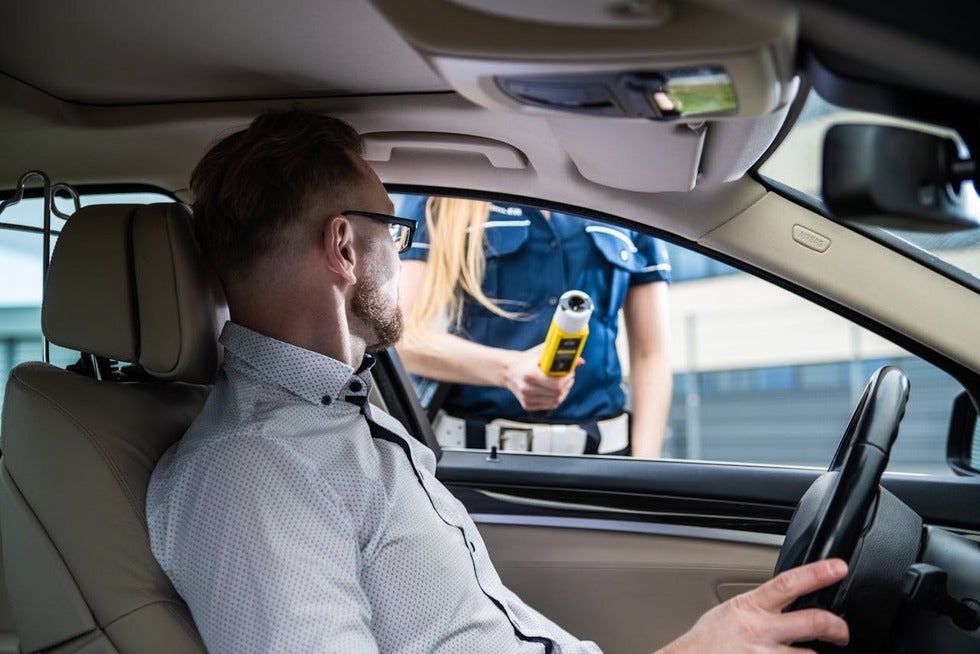
The Forensic Expert's Perspective
Here's the role forensic experts play in this type of BAC-based DUI case. Their efforts extend far past running lab tests. They interpret the science in court and assist in demystifying figures. They consider not only the timing of each drink but the test itself and how quickly someone's body metabolizes alcohol. In California, where BAC evidence can make or break a DUI case, their testimony aids judges and juries in determining what really occurred.
Retrograde Extrapolation
Retrograde extrapolation is the forensic expert's way of knowing what a driver's BAC was at the time of testing and what it was when they were driving. The expert begins with the BAC reading from the test and works backwards, employing the average alcohol metabolism rate, approximately 0.015% per hour. This helps answer a key question: Was the person actually over the legal limit while driving, or did their BAC rise after they stopped driving? For instance, if a person was tested an hour after being stopped and their BAC was 0.10%, an expert could say that their BAC was likely around 0.085% while driving. This technique has constraints. It assumes a consistent speed and doesn't always account for things like the kind of alcohol, rate of consumption, or medical conditions like GERD, which can bias outcomes. Defense attorneys occasionally employ retrograde extrapolation to demonstrate that a driver's BAC was below the limit while actually driving, bolstering a rising BAC defense.
Methodological Flaws
They share typical weaknesses in how BAC is tested. Maybe the equipment isn't calibrated right, maybe they mishandled the samples, or just didn't step carefully through the process. Even minor errors, such as a testing delay or contamination, can affect the outcome. If an expert discovers that a breathalyzer wasn't cleaned or the sample was stored incorrectly, they can fight the results in court. Forensic experts seek holes in the processes, and their evidence can cause the jury to question the accuracy of BAC evidence.
Courtroom Testimony
At DUI trials, expert testimony is key. Forensic experts simplify complex science so juries can track it. They detail why BAC results can be more ambiguous than they appear. A forceful expert can swing a case by noting that the BAC at testing isn't necessarily the BAC when behind the wheel. They employ charts, timelines, and straightforward explanations to assist jurors in viewing the top-level view. Judges count on them to provide color, and a self-assured, concise expert can direct the decision.
Building a Time-Based Defense
A time-based defense in a DUI case involves how long after a driver was behind the wheel that the BAC test was administered. Alcohol goes through clear steps in the body: absorption, distribution, and elimination. Absorption can last anywhere from 30 minutes to 2 hours, which would mean that a driver's BAC at the time of testing might be higher than it was while operating a vehicle. Because alcohol departs the body at roughly 0.015% BAC per hour, a delay between driving and testing can substantially impact results. Knowing and demonstrating the specific timeline is frequently central to an effective defense.
Scrutinize Timelines
1. Start building a time-based defense by gathering accurate timestamps for all events, including when drinking ceased, when stopped by police, when field sobriety tests were conducted, and when BAC was taken.
2. Cross-reference police and witness reports for discrepancies or suspicions.
3. Go over the timeline to identify discrepancies in the prosecution's timeline.
4. Dismisses with time-based forensics. They simply calculate possible BACs at the time of driving using elimination rates and the known time gaps.
Identifying a lag between the stop and the BAC test can expose whether the BAC was still on the rise. For example, if a test is performed well after the stop, the true level while driving may have been lower. Courts scrutinize these timelines because a rising BAC defense can create uncertainty as to whether the individual was over the legal limit at the time of driving. Obvious and reasonable timelines can transform the perspective of a judge or jury when looking at allegations of damage.
Document Everything
- Record each event's time and information from consumption to analysis.
- Inventory every witness and collect their statements for later use.
- Keep physical evidence, like receipts or photos, to support claims.Record communication with law enforcement.
Witness statements can bolster the timeline. Good documentation can contradict police statements and assist in illustrating holes or deficiencies in the prosecutor's case. Clean notes and collateral evidence go a long way in arguing that the BAC reading is an unfair measure of impairment when driving.
Retain Experts
Forensic toxicologists and other experts are a huge piece of the DUI defense puzzle. They can describe how alcohol passes through the body and why a BAC test at the moment of testing may not be the same level at the time of driving. Their analysis can demonstrate how a delay or mistake influenced the outcome. A testimony of an expert can assist the court in comprehending the technical details that help your defense. Although there are expenses to bringing in these professionals, their involvement tends to shift results and can justify the expense, particularly in complicated matters.
Beyond the Numbers Game
Blood alcohol content, or BAC, is the hard number in California DUI cases. What really matters goes far beyond the numbers game. Timing determines how this figure is employed in court and what it actually signifies. BAC is not constant. Once you have a drink, alcohol hits the blood in stages, approximately 20% in the stomach and the remainder in the small gut. From there, the body metabolizes alcohol at a slow, steady rate of approximately 0.015% BAC per hour. This rate is significant because an individual's BAC may continue increasing for 2 or 3 hours following their final drink. A person might blow over the legal 0.08% limit on a test, but their BAC could have been less while driving. This gap leads to what's known as the “rising blood alcohol” defense. It means a driver's BAC was under the legal limit in the car but had risen by the time cops took a sample. This can change how a court views the evidence.
Timing counts for how long after a stop a test occurs. California law says chemical tests are valid if done within 3 hours of arrest. If her BAC is still on the rise, a test even two hours later may not reflect her level at the time she drove. Context matters because not everyone metabolizes alcohol the same. Body size, food intake, health, and even stress can impact BAC curves. Two people who consume an identical amount might reveal dramatically different BAC values at the same moment. Research demonstrates that the vast majority of individuals experience safe driver skill loss at 0.08% BAC. Some may be impaired at lower levels while others are less affected at that mark.
In DUI defense, it's crucial to go beyond the numbers game. A robust defense will check the timing of drinks, the timing of the BAC test, and how the person's body may metabolize alcohol. Each piece contributes to the broader portrait in court.
Conclusion
Timing is at the heart of BAC evidence in California DUI cases. Small timing gaps between drinking and testing can shift the numbers dramatically. Even a slight delay alters how the body exhibits alcohol levels. Law rules and lab rules both frame each test, but timing frames the results most. Defense teams dissect the timing for a reason. They understand that minutes matter; a few minutes can cause the crucial facts to look very different. Every case demands a keen watch on the clock and transparent documentation. To put together solid cases, attorneys and specialists monitor each stage in the process. Want to know how to use science and timing for your defense? Contact me or visit my blog for details.
Frequently Asked Questions
1. How does timing affect BAC results in California DUI cases?
BAC can increase or decrease. If they test too fast or too slow, your results won't be indicative of your BAC while operating the vehicle. Right timing means correct BAC evidence.
2. Why is alcohol metabolism important in DUI cases?
Different rates at which the body processes booze play a part. Factors like weight, food, and health are relevant. Knowing metabolism clarifies BAC changes.
3. What are California's BAC testing protocols?
California has strict rules for BAC testing. Tests must be conducted within a specific period of time from the stop, typically within two hours, to be reliable.
4. Can BAC evidence be challenged due to timing issues?
Yes, defense lawyers love to ask if the BAC test represents your level when driving. Testing delays can render them useless.
5. What role does a forensic expert play in DUI cases?
Experts talk about BAC evidence in California DUI cases. They can articulate to the court how timing might have affected the test results.
6. How can timing help build a DUI defense?
If testing is delayed, attorneys can claim that your BAC was different when you were driving. This can assist in instilling reasonable doubt.
7. Is BAC the only factor in DUI convictions?
No, other evidence such as driving and field tests counts as well. BAC matters, but it is just a piece of the case.
Build a Strong DUI Defense with Evidence Strategy in California Courts
A DUI charge in California often hinges on one critical factor, the evidence. Prosecutors rely on police reports, field sobriety tests, breath or blood results, body camera footage, and witness statements to build their case. But evidence is rarely as simple or as reliable as it first appears. How that evidence was collected, documented, stored, and interpreted can dramatically influence the outcome of a DUI case in Alameda and Contra Costa County courts.
At Gorelick Law, we focus on the evidence from the very beginning. Every DUI case involves multiple layers of proof, including traffic stop justification, officer observations, chemical test procedures, chain of custody for blood samples, and the accuracy of testing equipment. Our defense strategy carefully reviews each piece of evidence to uncover inconsistencies, procedural errors, or violations of your constitutional rights. Even small issues, like gaps in documentation or improper test administration, can weaken the prosecution's case.
You don't have to face the California DUI system without experienced guidance. Visit Gorelick Law to learn how strategic evidence review can uncover weaknesses in the prosecution's case and strengthen your defense. Call for a free consultation and speak with a dedicated advocate who understands how DUI evidence is challenged in California courts. Your future deserves a defense built on facts, strategy, and careful analysis.

