
Key Takeaways
-
You need to understand the difference between reasonable suspicion and probable cause because these standards decide if a police stop or arrest for suspected DUI is legal in your case.
-
Keep in mind that visible indicators, such as your behavior, appearance, and the condition of your car, as well as anonymous tips, do give police probable cause to temporarily stop you for a DUI investigation.
-
You have rights throughout every step of a DUI stop, from the moment the officer pulls you over to whether you submit or refuse a breathalyzer or other testing.
-
Documenting your experience, staying calm, and consulting with an attorney right away if you believe your rights were violated are important steps to protect yourself.
-
So questionable stops like profiling or those without reasonable suspicion can be challenged in court. Knowing the exclusionary rule and how to file a motion to suppress evidence can help you build your defense.
-
By using technological evidence such as dash cam or body cam footage and consulting with experienced attorneys, you can greatly improve your chances of fighting back against illegal DUI stops and protecting your rights.
No, police cannot stop you without probable cause for DUI. They can stop you at a lawful checkpoint or if they observe indications of a traffic violation. In the great majority of the nation, they require probable cause to stop you, such as weaving or disobeying a traffic signal, before pulling you over for DUI. Random stops are illegal, and any evidence obtained in those stops will not hold up in court. You'll discover that each country or state has a few different rules, but the overarching narrative remains intact — police require a legitimate cause. Knowing your rights keeps you alert and can help you make savvy decisions if you encounter a stop. The next section explains what constitutes probable cause and what you should expect when making a stop.
The Two Legal Standards
In DUI stops, two legal standards set the rules: reasonable suspicion and probable cause. These standards provide the foundation for when police can pull over, interrogate, and arrest a motorist during a lawful traffic stop. Understanding how they operate is essential for anyone seeking to construct an effective DUI defense. Courts scrutinize these standards with each DUI case, so knowing the nuances can significantly impact the outcome of a DUI charge.
Reasonable Suspicion
-
Swerving or weaving within a lane
-
Sudden or erratic braking
-
Delayed response at traffic signals
-
Driving much slower or faster than the posted limit
-
Failure to use headlights at night
-
Making illegal turns or lane changes
-
Almost hitting objects or other vehicles
-
Unusual or reckless driving patterns
Reasonable suspicion is the lesser standard that police officers must meet during a lawful traffic stop. They only require a reasonable belief based on their observations or overheard information, rather than concrete evidence. For instance, if your driving behavior aligns with profiles associated with impaired driving, such as erratic movements, this can give police sufficient cause to pull you over, although not enough to make a DUI arrest.
During this type of stop, officers may briefly question you or conduct a field sobriety test to screen for signs of impairment. They might ask simple questions or request your driver's license, but the stop must be based on articulable observations. Intuitions or mere suspicions are not enough; officers need to provide specific facts that led them to suspect you, like the smell of alcohol or fumbling with documents.
The concept of reasonable suspicion can be confusing, as it does not hinge on definitive evidence. If an officer's reasoning is challenged in court, they must clearly explain their rationale. If they fail to do so, the DUI case could be dismissed as the stop may be deemed illegal.
Probable Cause
|
Element |
Description |
|
Observable Impairment |
Clear signs of intoxication, like slurred speech or bloodshot eyes |
|
Failed Field Tests |
Inability to complete sobriety tasks, such as walking in a straight line |
|
Admissions |
Statements admitting to drinking or drug use |
|
Physical Evidence |
Open containers, smell of alcohol, or presence of drugs in the vehicle |
Probable cause is the more demanding standard. Police need this before arresting you or searching your vehicle. Officer observations are important. For instance, if you exhibit slurred speech or bloodshot eyes, these specifics contribute to probable cause. If you flunk a roadside sobriety check or confess to drinking, that's more proof.
Without reason, police can't legally arrest you or search your stuff. If they don't, any evidence uncovered could be thrown out in court. This can result in a DUI being dismissed, keeping you out of trouble. The distinction between reasonable suspicion and probable cause is not always obvious. Courts consider all the facts, including what the officer observed, overheard, or discovered at the scene, to determine if the elevated standard was satisfied. What matters in one case may not in another, and that's why each case is considered on its own merits.
Why Police Can Stop You
The police can initiate a traffic stop when they have a lawful reason, as protected by the Fourth Amendment. Factors such as your behavior, condition, and the state of your vehicle, along with tips received by officers, can lead to a DUI arrest, even in the absence of visible signs of intoxication.
1. Driving Behavior
Swerving, weaving, and frequent abrupt stops are driving habits that often arouse officers during a lawful traffic stop. Not signaling, rolling through a stop, or speeding may seem like petty infractions, but they provide police with a legitimate reason to pull you over. Even if you believe these blunders are minor, they count as examples of potential impaired driving. If you're driving late at night, weaving, or randomly braking hard, cops may suspect you of a DUI offense. Persistent erratic maneuvering increases the likelihood of a DUI checkpoint, and if these habits align with what officers search for in drunk drivers, you're probably going to get stopped for more questioning.
2. Physical Appearance
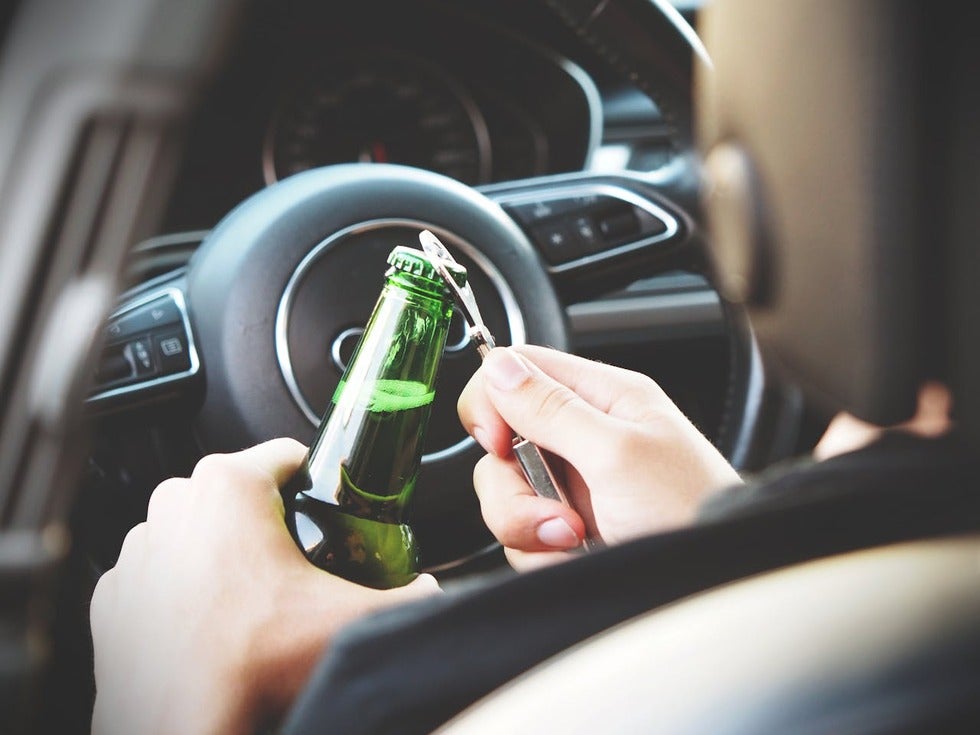
Police look for physical indicia of intoxication during a lawful traffic stop. Bloodshot eyes and a wobbly gait can indicate potential impairment, leading to a DUI arrest. If alcohol bottles are in plain sight, this may prompt police to dig deeper. Physical appearance encompasses not just how you look but also your behavior. Officers leverage their training to identify indicators that you aren't safe behind the wheel, and what they observe and hear can lead to the request for field sobriety tests.
3. Vehicle Condition
A broken headlight, cracked windshield, or flat tire can justify a lawful traffic stop. These conditions may demonstrate that your vehicle is unsafe or illegal, potentially leading to a DUI charge. If your car appears to be wrecked or has expired registration tags, police officers can stop you to investigate the matter. Sometimes, a dirty car with lots of issues raises questions about whether you're impaired driving. Maintaining your car reduces your chance of being stopped for these reasons.
4. Anonymous Tips
Sometimes cops receive anonymous tips about a potential drunk driver, which can lead to a traffic stop if substantiated by the officers' observations on the road. For instance, if a caller reports that your vehicle is swerving or speeding, police will verify the situation before proceeding with a DUI arrest. While tips alone may not suffice, they can initiate an investigation based on the reliability of the tipster.
5. Checkpoint Stops
Sobriety checkpoints are designed to catch and deter impaired driving, effectively leading to increased DUI arrests. At these locations, police officers do not need reasonable suspicion to pull you over, but they must adhere to explicit laws that protect your rights under the Fourth Amendment. Understanding your rights at these DUI checkpoints, such as the option to stay silent or refuse certain requests, is crucial to ensure the process remains fair and safe for all motorists.
From Stop To Arrest
The process from a lawful traffic stop to a DUI arrest involves distinct steps, each one shaped by the officer's judgment and the law. Understanding each stage allows you to see how a stop can lead to a DUI charge and how skilled DUI lawyers can challenge the process through effective DUI defense strategies. The following table describes the key stages and where officer discretion enters the picture.
|
Stage |
Description |
Officer Discretion? |
|
Initial Stop |
An officer observes a traffic violation or suspicious driving |
Yes |
|
Initial Observations |
Officer notes behavior, speech, and physical signs |
High |
|
Sobriety Testing |
Field sobriety or preliminary breath tests are offered |
Yes |
|
Chemical Testing |
Breath, blood, or urine tests after arrest |
Some (within legal limits) |
|
Arrest Decision |
The officer decides if there is probable cause for DUI |
Yes, but must be justified |
Officer Observations
During a traffic stop, officers begin by looking for obvious driving mistakes such as weaving, erratic speed, or blowing a stoplight. They are attentive to your responses, including how you say things and your body language. Minor details like fumbling for paperwork, appearing confused, or avoiding eye contact can draw their attention. Common signs like bloodshot eyes, slurred speech, or the smell of alcohol are frequently recorded, providing essential evidence in potential DUI cases.
Dash cam video, and sometimes body cam footage, captures everything from the moment you're stopped. This visual evidence can be crucial in verifying or challenging the officer's account. If you contest the stop, video evidence could be decisive for your DUI defense. The documentation of the stop plays a significant role in court, as it assists in balancing what actually occurred during the encounter.
When officers write their reports, the nuances count. A well-documented stop can significantly impact the outcome of your DUI case. If the officer's notes are vague or incomplete, it provides your lawyer with the opportunity to undermine their credibility. The way officers describe your behavior and demeanor often becomes key evidence, influencing the case's outcome, especially if other evidence is lacking.
Sobriety Tests
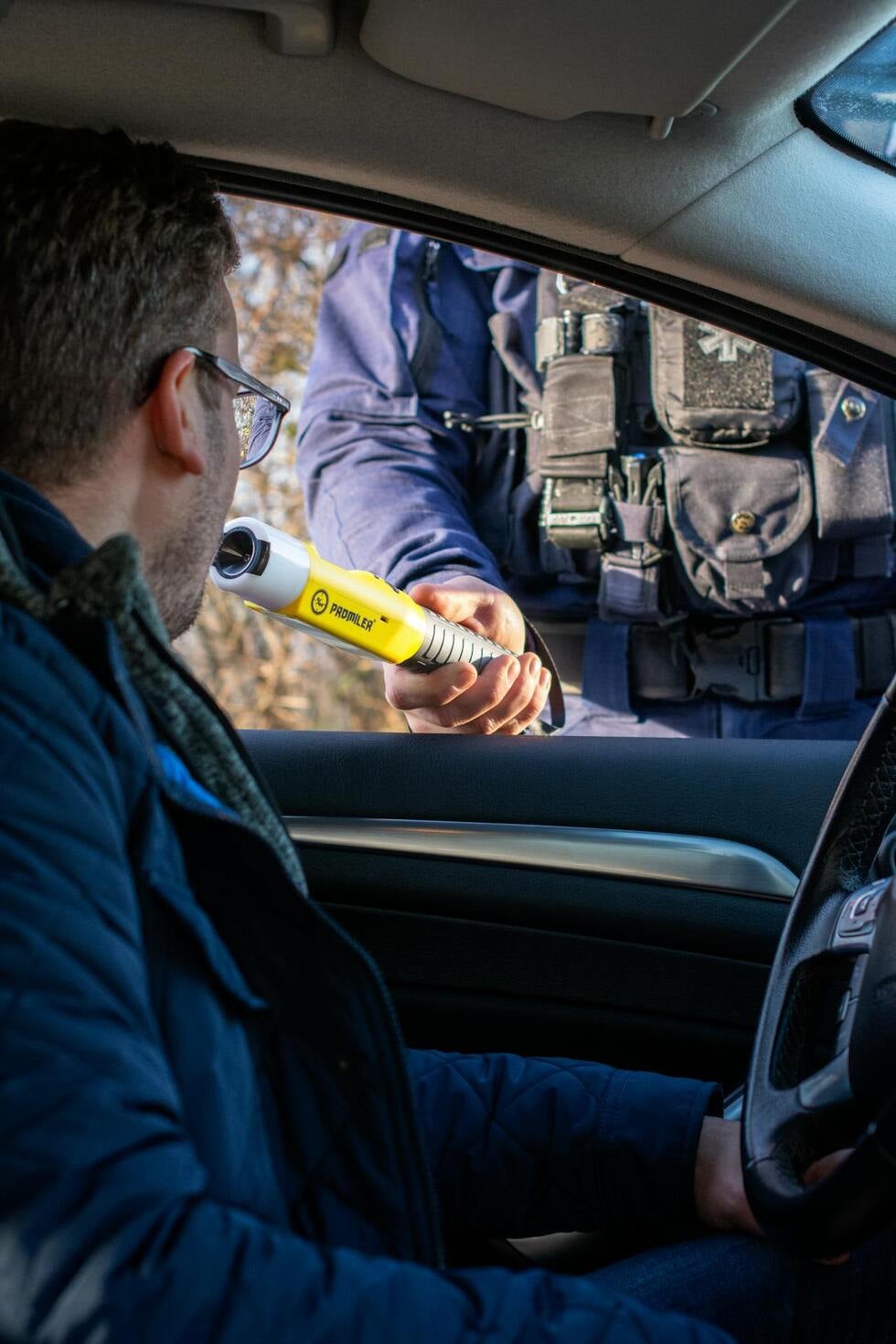
Field sobriety tests are crucial in determining if you exhibit signs of impaired driving. These tests involve basic activities designed to reveal whether alcohol or drugs are affecting your coordination or cognitive abilities. For instance, the horizontal gaze nystagmus test asks you to follow an object moving from side to side, while the walk-and-turn test requires you to walk a straight line, turn, and return. Both tests are popular at sobriety checkpoints since they can be easily conducted on the roadside.
While you can decline these tests in many locations, doing so can have serious consequences, such as an automatic license suspension, even without a DUI conviction. The results of these tests can provide police officers with probable cause for a DUI arrest. Additionally, any evidence of poor driving can be used in court to support claims of impairment.
Although field sobriety tests are often the first evidence collected, they are less reliable than chemical tests. Performing well on these tests may help you avoid arrest, while failing them can strengthen the officer's case against you in DUI cases.
Chemical Tests
As opposed to chemical tests, field sobriety tests determine your blood alcohol content or drug levels. Police have to follow strict rules for these tests. In most jurisdictions, you've given “implied consent” to chemical testing by operating on public roads.
Many places will immediately suspend a driver's license for refusing a chemical test after arrest. Even if you're ultimately acquitted, the fine for refusal could still apply. Chemical test results weigh heavily in court. A positive result, particularly over the legal limit, can be difficult to beat.
Chemical tests are crucial evidence. Courts trust these results more than field tests, so they are at the heart of most DUI cases. If the test was not done correctly or procedural requirements were not met, your lawyer might get the results thrown out.
Questionable Police Stops
Cops need reasonable suspicion or probable cause before they pull you over. Any indication of erratic driving, such as swerving between lanes or taking wide turns, provides them a legal excuse. Stops absent a good reason or based solely on time and location are suspicious. Sometimes, officers use small traffic violations as an excuse to sniff for DUI or act under the caretaker exception when they believe someone is in danger. Race, age, or other profiling muddies legitimate DUI stops and can undermine the public trust.
Pretextual Stops
A pretextual stop is when an officer uses a minor infraction, such as a broken taillight or no turn signal, as a reason to pull someone over and investigate something else, like suspected DUI. These stops erode trust in law enforcement, particularly when you're stopped because of where you are or how you drive and not for any actual driving infraction. Was the initial legal issue just a pretext for a general search?
While legal challenges to pretextual stops focus on whether the officer really did have a reasonable basis, if the sole justification is driving late at night or being in a certain neighborhood, the stop may not survive in court. For instance, if you're stopped simply for being near a bar district at midnight with no traffic violation or erratic driving, your defense can say the stop wasn't valid.
It's important to record your experience during a stop. Remember the officer's claimed cause, date, and location. These specifics can bolster your legal defense, particularly if you suspect the stop was pretextual.
Caretaker Exception
The caretaker exception allows police officers to intervene when they believe an individual is in danger, such as a confused motorist or one pulled over on a hazardous curve. However, this exception does not grant officers the right to search for DUI charges without reasonable suspicion. They must demonstrate that their concern was genuinely for your safety or the safety of others, rather than an excuse to investigate further. For example, if a driver is found passed out behind the wheel at a crowded intersection, the police officer may have probable cause to act under this exception.
Striking a balance between your individual rights and public safety is critical, especially in DUI cases. Courts may exclude evidence if they determine that the caretaker exception was misused as a pretext. Moreover, they may dismiss evidence when officers lack specific facts indicating an immediate risk, reinforcing the need for lawful traffic stops.
Profiling Concerns
Profiling is stopping someone based on characteristics such as race, age, or gender rather than on facts. This is still an international concern regarding equitable policing. If a stop is based solely on your appearance or the time of day you're driving, as opposed to your driving, it might be illegal.
Police action should always be guided by objective criteria. If profiling is shown, courts can throw out evidence from the stop, and police departments can be sued and subjected to public backlash. Transparency in police stops, for example, recording why each stop was made and adhering to a strict protocol, helps ensure accountability.
My Perspective On Your Rights
Here's what you should know about your rights during a DUI traffic stop. Understanding your rights can protect you legally and help you make savvy decisions if you're pulled over by police officers. While the law may vary for many readers, the fundamentals—your right to remain silent, your right to an attorney, and the right to confront DUI charges—are consistent. These rules are particularly important when your fate can hinge on officer discretion, technology, and the law.
The Subjectivity Problem
Officers use their discretion during a traffic stop to determine if you should be stopped or tested for a DUI charge. This leads to varying outcomes for identical behavior. For instance, one police officer might interpret glassy eyes or minor swaying as indicators of intoxication, while another might not. Field sobriety tests, such as the walk and turn or one-leg stand, are subjective and often questioned. Many believe that these tests do not genuinely prove impairment. To some, DUI checkpoints are seen as unjust, catching drivers based on random whims rather than solid evidence.
Fighting a DUI case is essentially about contesting an officer's subjective evaluation. In court, this becomes a battle of words, where the officer's account often takes precedence unless you can provide unequivocal proof. It's particularly challenging to dispute a claim like “the driver's speech was slurred” without audio or witness testimony. In some jurisdictions, refusing a sobriety test can lead to a mandatory license suspension, causing many to view the law as draconian and unfair.
Objective proof is crucial in DUI cases. Video footage, breath tests, and eyewitness accounts can elevate a case beyond mere he-said-she-said scenarios. Without such evidence, your DUI defense may hinge on cross-examining the officer's memory and honesty. Not all states permit sobriety checkpoints; some ban them altogether, while others impose strict regulations. This inconsistency contributes to confusion and potential danger for motorists.
Standardized methods could help reduce this subjectivity. Implementing simple checklists for officers, standardized training, and consistent use of technology would lead to more reliable results. Such measures would assist courts in evaluating each DUI case based on uniform criteria rather than merely an individual officer's opinion.
Technology's Role
Technology is disrupting DUI enforcement significantly. Dash cams and body cams can capture every traffic stop, adding accountability to DUI cases. Breathalyzers provide hard data, but if they are not well-maintained and properly calibrated, they can lead to false positives, resulting in unjust DUI charges. Periodic audits and transparent documentation are, in my opinion, essential for a fair DUI defense.
There are numerous benefits to digital evidence in DUI cases. It gives judges and juries something tangible to consider beyond officer notes. Video footage can demonstrate whether you were courteous, whether your words were slurred, and whether you complied with instructions during a field sobriety test. Accurate breathalyzer results present your blood alcohol content in grams per liter, aligning with international standards.
Technology can safeguard your rights during a DUI arrest. If you believe a stop was unjustified, electronic records can help prove your DUI case. They ensure that officers adhere to protocols, making stops more uniform and less prone to bias. Public safety and personal rights alike benefit when technology is deployed equitably and transparently.
Empowering Yourself
-
Remain calm and courteous. Don't argue or yell.
-
Yes, you have the right to remain silent. Provide your name and license if requested.
-
If stopped, ask if you are free to go.
-
Refuse field sobriety tests if you want. Be aware of the consequences.
-
Ask for a lawyer before you answer questions or do any more tests.
-
Please mark the stop date, time, and location for your notes.
-
Document officer names and badge numbers if possible.
-
Save any documents given to you during the stop.
Keeping your cool prevents the blow-up. If you act out of anger or fear, you can get into more trouble, even if you believe the stop to be unjust. Consulting an expert DUI lawyer is smart. Legislation is intricate, and an attorney can assist you in comprehending your privileges and forming safeguards.
Recording the specifics of the stop is crucial. Even trivial things, like weather or road conditions, can be significant later. That information aids your attorney and can bolster your case if you fight the tickets in court. Keep in mind, you have the right to fight a DUI, and the defense varies depending on your case.
Challenging An Improper Stop
Challenging an improper stop is crucial, as the Fourth Amendment protects you from unreasonable searches and seizures. Any traffic stop without a valid basis, such as a lack of reasonable suspicion, can be contested. By employing effective DUI defense strategies, you ensure that only evidence from lawful traffic stops is used against you in court, safeguarding your rights in DUI cases.
The Exclusionary Rule
The exclusionary rule precludes evidence obtained in an illegal stop from being admitted into court. If a cop stops you without reasonable suspicion, which are facts that would convince a reasonable person that you violated the law, then anything discovered or learned during that stop can be excluded from your trial. This rule guards your Fourth Amendment rights and keeps cops honest.
When officers cross the line, such as neglecting prescribed procedures or not observing you for a designated period before a breathalyzer test, the exclusionary rule is key. In DUI cases, this can mean breath results or field test findings are tossed. If the court concludes that the stop itself violated your constitutional rights, the case might be over before trial. Figuring out whether the rule applies is not always straightforward. It frequently requires a thorough examination of officer statements, video evidence, and even witness reports. This examination is crucial to a robust defense and frequently needs an attorney's know-how.
Filing A Motion
-
Examine the stop's facts, such as camera footage and officer statements, for indications that it was an improper stop.
-
Write a motion to suppress, explaining why the evidence should be suppressed and citing case law and the facts of your case.
-
Submit the motion to the court before trial. Be careful to observe all deadlines and procedural rules.
-
Come to a hearing where your lawyer argues, and the prosecution can respond. The judge then determines whether the evidence will be permitted.
Failing to meet a deadline or missing a step can jeopardize your DUI case, so respecting the procedure is important. A skilled DUI lawyer is key here; they know how to make the argument, which laws to cite, and how to present evidence. If the motion prevails, the prosecution risks losing its most critical evidence, which can result in plea bargaining down to lesser DUI charges or outright dismissal.
Legal Counsel
Hiring a talented DUI attorney gives you a leg up. These attorneys understand the intricacies of DUI law, from what constitutes reasonable suspicion to how to contest chemical tests. Their expertise allows them to identify flaws in police protocol, defend your constitutional rights, and ensure the court sees your perspective.
A good lawyer leads you through these legal mazes. They tell you what your options are and assist you in choosing the best course of action. Custom advice counts; what's right for one person is wrong for another, so your attorney customizes the defense to your specific situation. With an attorney behind you, you have far greater odds of a just result.
Conclusion
There's so much stress you incur if the police stop you for DUI. Laws regarding stops appear obvious, but the gray areas emerge quickly. They cannot stop you just because they have to have a reason. No, they can't pull you over just because they feel like it. You exist, and you've got actual rights; you can wield them. Occasionally, police are simply wrong. If that occurs, you can resist. Courts toss cases all the time for bad stops. Good legal assistance, however, can make a difference. You remain in control by being informed and keeping your cool. All these factors can affect your life, and all these choices you make after you stop. Therefore, you should educate yourself on your local laws. Contact a reliable attorney if you're unclear about your rights or what to do next.
Frequently Asked Questions
1. Can Police Stop You For DUI Without Probable Cause?
No, police officers need reasonable suspicion to conduct a lawful traffic stop for a DUI charge, but not for an arrest.
2. What Is The Difference Between Reasonable Suspicion And Probable Cause?
Reasonable suspicion is a lesser standard that allows police officers to stop you during a traffic stop if they believe you're committing a traffic offense. However, they need probable cause to make a DUI arrest or to conduct a search.
3. What Are Some Signs Police Look For Before Stopping You?
Police officers monitor for motorists who swerve, speed, brake suddenly, or violate other traffic laws, as these actions can create reasonable suspicion for a lawful traffic stop.
4. Can You Refuse A Breathalyzer Test During A DUI Stop?
You may decline a sobriety test, but then you could face a DUI charge or license suspension.
5. What Should You Do If You Believe The Police Stopped You Without Reason?
Remain composed and courteous during the traffic stop, and discuss your DUI case with a skilled DUI lawyer.
6. Is It Possible To Challenge An Improper Police Stop In Court?
Indeed, you can challenge an illegal traffic stop. If the court finds the stop unlawful, evidence related to the DUI case may be suppressed.
7. How Can You Protect Your Rights During A DUI Stop?
Be courteous during a traffic stop, obey legal orders, and don't talk without a skilled DUI lawyer for assistance.
------------------------------------
Protect Your Future: Your Rights Matter After A DUI Arrest
A DUI arrest can turn your life upside down. Your license, your record, and your future are all on the line, and every decision you make from this moment forward matters. The legal system moves fast in these cases, and without the right defense, you risk serious penalties that can follow you for years.
At Gorelick Law, we understand how overwhelming this situation feels. Our team has spent decades defending people facing DUI charges and guiding clients through the confusion of DMV hearings, court deadlines, testing issues, and rights violations. We focus on protecting your freedom, challenging the evidence, and making sure law enforcement plays by the rules.
You don't have to navigate this alone. Visit Gorelick Law to learn how we can safeguard your rights and build a strong defense from day one. Call for a free consultation and get a dedicated advocate in your corner. Your future is worth protecting, and we're ready to fight for you.
Disclaimer
The materials available on this website are for informational and entertainment purposes only and are not intended to provide legal advice. You should contact your attorney for advice concerning any particular issue or problem. You should not act or refrain from acting based on any content included in this site without seeking legal or other professional advice. The information presented on this website may reflect only some current legal developments. No action should be taken based on the information on this website. We disclaim all liability concerning actions taken or not taken based on any or all of the contents of this site to the fullest extent permitted by law.


