
Key Takeaways
-
It's important to know that police have to follow rigid, protocol-driven procedures throughout every stage of a DUI investigation, from the initial stop to post-arrest, in order to make the process legal and fair.
-
Probable cause and proper administration of field sobriety tests are important because if your arresting officer steps outside the box, it could compromise evidence or even your entire case.
-
It's important for you to know your basic rights, such as being advised of your Miranda rights and your right to an attorney, because violations may result in evidence being excluded or charges being dismissed.
-
Technology, from body cams to digital records, is crucial in adding transparency, accountability, and precision at every stage of DUI arrests, so its proper handling and use are key.
-
Mistakes made by officers, such as illegal stops, testing errors, or defective equipment, can damage DUI prosecutions and even give you a reason to fight the charges.
-
If you were arrested for a DUI, you are strongly advised to consult an attorney immediately, record your experience, and educate yourself on the legal process.
You might think that all officers always follow proper DUI arrest procedures, but real-life cases prove errors can be made during the stop, tests, or rights reading. For instance, breathalyzer units are not always tested properly, or field tests are not administered the way the law requires. You can have problems if the paperwork is incorrect or an officer omits steps that safeguard your rights. Even honest slip-ups during these arrests can spell big trouble for your case. For techies or data nerds, just understanding how tiny glitches impact cases helps you identify trends and figure out what goes on behind closed doors. The post will not only show you what can go wrong, but also what you should know next.
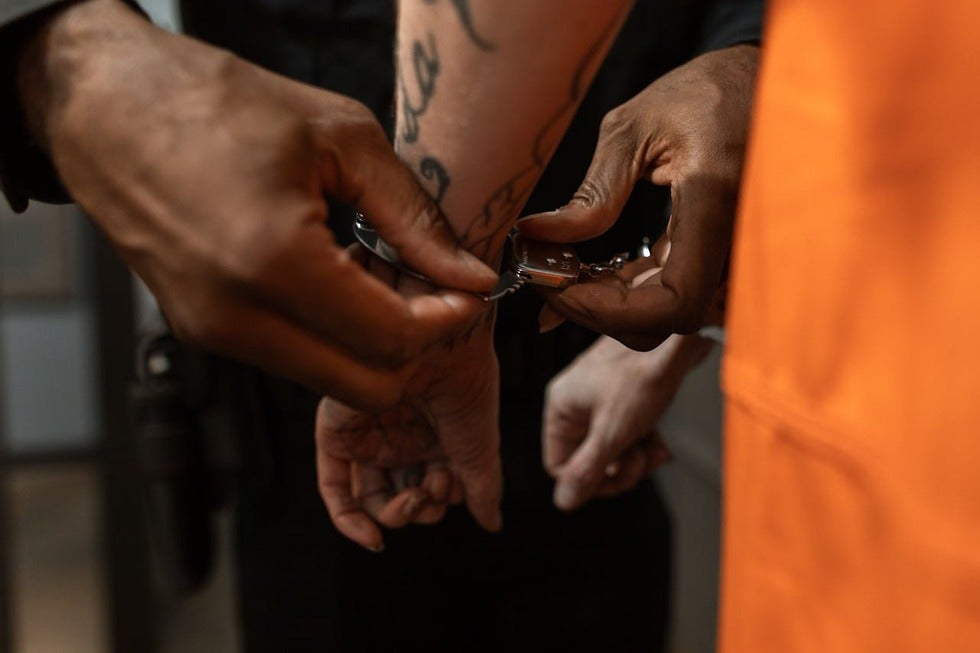
The Ideal DUI Arrest Procedure
A just, legal DUI arrest requires police officers to execute standardized police procedures that secure everyone's rights and maintain the integrity of the DUI case investigation. These measures ensure any proof we have holds up and that the DUI charge itself is legitimate. Every step, from the initial DUI stop to post-arrest, has explicit rules you need to be aware of, whether you're a law student, a tech worker, or just curious about how due process functions around the world.
1. The Initial Stop
The perfect DUI arrest begins with probable cause or reasonable suspicion for a legal traffic stop of a suspected DUI. Police must observe something specific: erratic driving, drifting between lanes, abrupt stops, or ignoring traffic signals. These cues provide them with probable cause to pull someone over. All these steps and observations need to be written down in the police report. Otherwise, the stop might not hold up in court.
Direct communication is key during this initial engagement. Officers ought to describe the purpose for the pull-over and request papers, such as a driver's license. Anything less invites chaos or allegations of discrimination. When writing their reports, officers have to list these observations specifically. This documentation establishes a clear record of what precipitated the stop, which is crucial for subsequent legal scrutiny.
2. Officer Interaction
As they approach the car, officers should remain professional and maintain a respectful tone. They shouldn't aggravate it. They don't care; instead, they pay attention to physical and behavioral cues such as slurred speech, bloodshot eyes, and the smell of alcohol. Asking simple, direct questions helps them measure the driver's awareness and coordination.
It is equally important for officers to advise the driver of their rights, including Miranda, before any DUI-related questioning. If they don't, any statements may be tossed in court. Respectfully and calmly treating the driver minimizes risk for everyone and facilitates a just investigation.
3. Field Sobriety Tests
They're very useful in demonstrating impaired driving. Typical tests are the walk-and-turn, the one-leg stand, and horizontal gaze nystagmus. These need to be conducted in a secure, illuminated location, far removed from traffic thoroughfares, in order to be just and precise.
If the officer cuts corners or performs the tests ineptly, the results are contestable down the road. Real training is required to minimize errors. The accuracy of these tests is dependent on the officer's expertise and the setting. Any slip-up in administering the test can compromise the case.
4. The Formal Arrest
An actual DUI arrest would only occur where there is obvious probable cause, such as failed sobriety tests or obvious signs of intoxication. They have to tell them what they are being charged with and record every step. This encompasses the grounds for the arrest, methodologies employed, and evidence garnered.
You have to observe legal protocols, such as adhering to Title 17. Otherwise, the arrest and any evidence can be contested in court. Complete, meticulous documentation is essential. The officer has to read Miranda rights before any formal questioning.
5. Post-Arrest Steps
Upon arrest, officers must initiate chemical testing, including breath, blood, or urine, to gauge blood alcohol content. There is a 15-minute waiting time and observation necessary for the test's effectiveness. Only qualified personnel shall perform these tests in adherence to stringent collection and handling guidelines to avoid contamination or tampering.
Testing equipment must be calibrated regularly and maintained well. Officers should advise the suspect of their rights regarding testing. You need to secure the car and belongings. Finally, all the paperwork for the arrest and charges needs to be filed correctly to prevent legal challenges down the road.
Common Procedural Deviations
Correct DUI arrest procedures are crucial for safeguarding your rights and ensuring accurate results in any DUI case. When police officers deviate from these established procedures, the validity of the DUI charges and any subsequent implications may be jeopardized. By becoming aware of the most typical errors, you can see how these slip-ups could impact your own experience or someone you know. This insight underscores why good cops' training and accountability are important for all of us.
Unlawful Stop
An illegal stop is when an officer pulls someone over without probable cause. For a DUI to hold up, the officer has to notice a lawful violation first, like swerving or a busted taillight. If there's no reasonable basis for that stop, then everything that follows, including sobriety or breath tests, can be challenged.
Lack of probable cause is a common cause for suppression of evidence. Courts will toss key facts if it's demonstrated that your rights were violated at the stop, occasionally resulting in the entire case being dismissed. These results are not as uncommon as you might imagine, particularly when officers unfairly target drivers or use nebulous suspicions.
Here's what you should know about traffic stops. If you're ever detained, you have the right to request an explanation. If you believe it was an illegal stop, record the encounter and consult a lawyer immediately.
Testing Errors
Errors in administering breathalyzer and field sobriety tests are rampant. They occasionally forget the mandatory observation period before testing, utilize devices that aren't well-maintained, or perform field tests on uneven surfaces or in inclement weather. All of these missteps can cause incorrect conclusions.
If the device isn't calibrated and checked on a regular basis, BAC readings may be inaccurate to your actual condition. Even small testing mistakes, such as not waiting the proper amount of time before a breath test, could affect the result. Officers ought to document each step along the way, but that frequently doesn't occur.
Common procedural deviations. These errors can be the difference between a just conviction and an unjust one.
Rights Violations
-
Not telling you that you have the right to remain silent can make evidence inadmissible.
-
Denying you access to legal counsel subverts due process.
-
Intimidating confessions or consent to tests violate your 5th amendment rights.
-
Illegal searches of you or your car could cause evidence to be suppressed.
Miranda warnings are crucial in DUI situations. If you are not informed of your rights during a DUI stop, what you say may not be admissible in court, potentially leading to a dismissal of DUI charges. Knowing your rights protects you from police actions that could violate the law.
Faulty Equipment
Breathalyzers and other devices must be trustworthy. When devices are old, broken, or uncalibrated, it's easy for false results to occur. Officers are supposed to test and maintain this equipment regularly, but this doesn't always happen.
A broken breathalyzer can indicate a high BAC even when you're not intoxicated. Frequent inspections, adjustments, and calibration are required for precise outcomes. Officers need to be aware of the limitations of their equipment and report defects. If they don't, the evidence might not hold up in court.
Why Proper Procedure Matters
The right way to do a DUI arrest really is the foundation of justice in the world. If you're in tech, law, or data, you understand how little process gaps can cause huge issues. The same goes for DUI enforcement. The table below compares outcomes when police follow or ignore correct procedures, showing the direct impact on fairness, accuracy, and trust in DUI prosecutions:
|
Aspect |
Proper Procedure Followed |
Procedure Ignored |
|
Fairness |
High |
Low |
|
Evidence Reliability |
Strong |
Weak |
|
Risk of Wrongful Conviction |
Low |
High |
|
Public Trust |
Maintained |
Damaged |
|
Law Enforcement Protection |
Strong |
Weak |
Adhering to procedure protects both the public and officers. When officers collect breath or blood samples, for example, they must avoid contamination or tampering to ensure the results hold up in court. Proper protocols, like observing the suspect for 15 minutes before a breath test or following a 12-step drug evaluation, ensure that the evidence is valid and the process is transparent. Regular calibration of breathalyzers, at least every 150 uses or every 10 days, is critical. These steps prevent errors that could otherwise endanger innocent people and expose law enforcement to legal challenges. Failing to follow procedure can result in wrongful convictions or dismissals, which erodes public trust and can have lasting effects on lives and communities.
Evidence Admissibility
Procedural missteps during a DUI arrest can render critical evidence, such as breath or blood test results, inadmissible. You may observe a defense attorney attack the collection or handling of a blood sample, claiming that improper storage or a missed calibration renders it invalid. Courts typically demand that evidence satisfy rigorous standards with respect to how it was collected, chain of custody, and handling to maintain its integrity.
If the cops shortcut, whether it's the observation period or a clear recording of their actions, everything they've gathered is suspect. Defense attorneys seek these holes to defend their clients' interests. Officers have to document every step, from when they pull a driver over to their paperwork at the end. Incomplete or sloppy paperwork leaves room for ambiguity. This detail is important to both sides and assists in making certain that only credible, legally obtained evidence is utilized.
Case Integrity
That's why procedure is everything. When DUI cases are based on transparent, standardized procedures, the outcomes, either convictions or acquittals, are more apt to stand on their own. If police don't follow procedure, if they don't read Miranda rights or use an uncalibrated breathalyzer, the whole thing can fall apart. Courts can throw out cases on these violations, even when impairment is obvious.
It's about doing the right thing the right way every time. Untrained, uncertified officers without drug recognition expertise might make errors in evaluating drivers that result in false arrests or dismissals. Transparency, including public access to the procedures, the results of tests, and the qualifications of officers, unites public faith and enables defendants to mount an effective defense.
Upholding Rights
Proper DUI procedures protect your rights during every stage, from the initial DUI stop to post-arrest interrogation. Police officers must honor your legal rights, including reading Miranda before any custodial interrogation and ensuring you are informed about the DUI charges and police procedures. Failure to follow these protocols can lead to public backlash and diminish confidence in law enforcement. Protests or media scrutiny often arise when rights are violated, regardless of the country.
Understanding your rights during any DUI situation is essential, especially regarding searches, testing, and questioning. Law enforcement officers must handle DUI suspects properly and avoid shortcuts. If your rights are overlooked, not only is the DUI case at risk, but trust in the justice system can also be severely undermined.
The Role Of Modern Technology
Modern technology has transformed DUI arrests, particularly with the integration of advanced police procedures. Law enforcement today employs a blend of digital records and video equipment to render the process more reliable and transparent. These technologies do not simply assist police officers in doing their jobs; they also safeguard your rights and help courts secure reliable facts in DUI cases. With these shifts, you experience advancement and fresh challenges, such as worries over privacy and potential bias from technology-powered systems.
Body Cameras
Body cams are standard at DUI stops these days, significantly impacting how DUI cases are handled. These units capture events from the police officer's perspective, and if you're stopped, body camera footage can prove what was said and done on both sides. This record can resolve conflicts, particularly if you sense your rights were not honored during the encounter. Body cam footage provides the court with a firsthand view of the DUI situation, which in turn holds both cops and motorists accountable for their conduct.
One huge advantage is transparency during DUI investigations. When everybody knows there's a camera, people behave better. Simply having the gear isn't sufficient; officers must activate cameras at the appropriate moments, and the recorded footage has to be secure against tampering. If the video gets misplaced or mangled, important proof could jeopardize your DUI charge or the officer's reputation. Good training is required to ensure officers operate cameras correctly and know how to store the files securely.
Dash Cameras
|
Advantages |
Considerations |
|
Records a full traffic stop |
Needs regular checks and maintenance |
|
Shows road and vehicle movement |
Can fail due to technical errors |
|
Can be reviewed by courts |
Footage storage requires security |
|
Builds public trust |
Not all vehicles have dashcams |
Dash cams provide a further level of proof. They demonstrate what went down before, during, and after a DUI stop. Dashcam video is helpful if you want to fight the cop over what happened. For instance, the video might capture that field tests were conducted incorrectly or that you were halted for no reason. Courts can often lean on this video to aid or contest claims from either side.
Maintaining dashcam systems is important. If the camera breaks or isn't recording, the footage goes missing. Dashcam video can increase public trust. People notice that cops are leveraging tech to be more transparent.
Digital Records
Computer-printed records accelerate the DUI arrest process and protect officers from errors. Instead of handwriting things down, officers key details into a protected system. Electronic logs simplify monitoring every step of the way, from ignition interlock instances to final breath analysis. If you want to fight your arrest, these logs provide your attorney with a definitive timeline and evidence of what was done.
Precise digital records are key for the court. Errors or missing data can result in dropped charges or wrongful convictions. Electronic files are easier to search and share, so cases move faster. Officers can spend less time on paperwork and more time on the road. Digital notes need to stay private. Safe storage is essential, or it could wind up where it doesn't belong.
Know Your Fundamental Rights
You must understand your basic rights if you're pulled over by police officers for suspected drunk driving. It's not just about protecting yourself from injustice; it also assists you in making wise decisions in a heated moment. Your rights aren't equal everywhere, but there are some fundamental protections for everyone. Understand Your Basic Rights. The U.S. Constitution, via the Fourth, Fifth, and Sixth Amendments, grants you fundamental rights during police stops and arrests. These include your right to remain silent, your right to an attorney, and your right to be free from unreasonable searches.
-
You don't have to answer questions beyond providing your name. You have the right to remain silent.
-
You can request an attorney before speaking to law enforcement.
-
You don't have to consent to any searches unless the police have a warrant.
-
In numerous states, you can say no to field sobriety tests, like standing on one leg or walking a straight line.
-
You have the right to know why you're being stopped or detained.
-
When they arrest you, they have to read you your rights, which are known as the Miranda rights.
-
You have the right to ‘remain silent' – that is, to refuse to answer any questions that might impugn your guilt.
Knowledge of your rights keeps you from making errors that can lead to huge problems down the road. If you talk too much or admit to drinking, you'll provide police with the evidence to support a DUI charge against you. The Fifth Amendment states you don't have to say something in court that could incriminate you. If you don't know what to say, it's best to remain silent and ask for a lawyer. In certain jurisdictions, cops may request you to undergo standardized field sobriety tests or a breathalyzer test. You don't have to submit to these tests in most states, although there may be other legal consequences if you refuse. That's why you need to be aware of the implied consent laws in your jurisdiction, which essentially state that you consent to chemical tests, such as breath or blood tests, if you operate a vehicle. Refusing these tests can lead to losing your license even if you're not found guilty of DUI.
Legal assistance is critical to safeguarding your rights. Know your basic rights. The Sixth Amendment entitles you to a lawyer if you're arrested. A skilled defense attorney will argue for you, prevent police from making improper inquiries, and ensure that your rights are respected. If you have been charged with a DUI, seek legal assistance immediately. An experienced lawyer understands how to identify errors in police procedures and can assist you in constructing a robust defense for your DUI case.
Always know your rights. Familiarize yourself with the laws in your area, know what to do if stopped, and stay calm. Understanding your rights isn't just about telling the cops no; it's about ensuring you receive fair treatment and don't inadvertently waive your rights during DUI situations.
What To Do Next
You have to make smart decisions immediately following a DUI charge. Keeping calm is step one. When the cops pull you over, keep your hands on the wheel and don't reach for that joint. This keeps things secure and saves you from further hassle. When they ask for your license, registration, and insurance, hand them over immediately. This keeps the process fluid and demonstrates you're a team player, which can count down the road in any DUI situation.
Knowing your rights is the trick. You don't have to respond to inquiries about drinking or your whereabouts. You can tell them you want a lawyer before you respond to any other questions. This can prevent you from making a statement that bites you in the DUI case later. If you're under 21 and took a breath or blood test, and your BAC is 0.01% or higher, you'll lose your license for a year. This is a hard rule, and most locations have no tolerance for young drivers. You could get multiple suspensions or revocations if you broke multiple rules. For instance, if you refuse the chemical test and are over the limit, you could face more than one sanction.
Once you exit, get legal assistance pronto! A DUI lawyer who understands DUI cases can review what happened and identify mistakes in the arrest. Sometimes, police skip steps, which can hurt you if it goes to court. Your attorney can translate what the charges actually mean and what you stand to lose, like fines, time in jail, or an extended license suspension. These laws vary by nation or even state, but the majority regard DUI as a major offense.
You have to prepare for court. Begin by jotting down everything you recall about the stop. List the time, location, and what the police did and said. Save any paperwork you receive, like the suspension order or citation. If your license was confiscated, you may receive a paper slip that authorizes driving for up to 30 days, provided your license was not already suspended and was valid at the time of confiscation. Spend this time planning your next steps with your lawyer. Inquire about what occurs at court and what to bring. Arrive early and wear something that demonstrates that you value the process. If you have more hearings to attend, keep your papers straight and listen to your lawyer.
Conclusion
You know, to be honest, cops are human, and they don't always follow every single rule in DUI stops. They can cut corners or overlook crucial tests, and occasionally, technical glitches can further complicate matters. Your rights ought to remain protected, regardless. When you know how a DUI arrest should proceed, you can catch any procedural stumbles immediately. If you notice holes, say something or enlist a pro. You deserve definitive answers and just action. If you encounter a DUI stop, begin with calmness, inquire about the specifics, and record what occurs. Your next move counts—contact a seasoned attorney who understands this world and fights for you. Your future is worth that additional caution.
Frequently Asked Questions
1. Do Police Always Follow Proper DUI Arrest Procedures?
Do cops always observe proper DUI arrest procedures during DUI stops? These crucial police actions can get overlooked, so if you believe your rights were violated, consult a skilled defense attorney.
2. What Should You Do If You Believe Police Skipped A DUI Procedure?
If you believe police procedures were not followed during your DUI case, write down everything you recall and contact a skilled defense attorney immediately to protect your rights.
3. Can Improper DUI Procedures Affect Your Case Outcome?
Yes, because if police officers do not follow proper police procedures, evidence in a DUI case can be contested or excluded, potentially leading to lower DUI charges or case dismissal.
4. Why Is It Important For Police To Follow DUI Procedures?
Proper police procedures safeguard your rights and guarantee evidence is reliable, especially in DUI cases, ensuring just treatment for all parties.
5. How Does Technology Impact DUI Arrests Today?
New technology, such as body cameras and portable breathalyzer tests, enhances DUI arrests' accuracy and transparency, aiding in your DUI case defense.
6. What Are Your Fundamental Rights During A DUI Stop?
You have the right to remain silent, the right to an attorney, and the right to know the cause of your being stopped. Always be calm and respectful.
7. What Steps Should You Take After A DUI Arrest?
Keep your cool during a DUI stop, don't argue, and request an attorney. Never plead guilty or make statements without consulting a skilled defense attorney. Gather all paperwork and evidence for your DUI case.
------------------------------------
Protect Your Future: Your Rights Matter After A DUI Arrest
A DUI arrest can turn your life upside down. Your license, your record, and your future are all on the line, and every decision you make from this moment forward matters. The legal system moves fast in these cases, and without the right defense, you risk serious penalties that can follow you for years.
At Gorelick Law, we understand how overwhelming this situation feels. Our team has spent decades defending people facing DUI charges and guiding clients through the confusion of DMV hearings, court deadlines, testing issues, and rights violations. We focus on protecting your freedom, challenging the evidence, and making sure law enforcement plays by the rules.
You don't have to navigate this alone. Visit Gorelick Law to learn how we can safeguard your rights and build a strong defense from day one. Call for a free consultation and get a dedicated advocate in your corner. Your future is worth protecting, and we're ready to fight for you.
Disclaimer
The materials available on this website are for informational and entertainment purposes only and are not intended to provide legal advice. You should contact your attorney for advice concerning any particular issue or problem. You should not act or refrain from acting based on any content included in this site without seeking legal or other professional advice. The information presented on this website may reflect only some current legal developments. No action should be taken based on the information on this website. We disclaim all liability concerning actions taken or not taken based on any or all of the contents of this site to the fullest extent permitted by law.


