
Key Takeaways
-
Body camera and dashcam footage are important visual evidence that influences how DUI cases are handled around the globe.
-
You have to be certain that any video evidence is genuine, well-preserved, and legally admissible, as that has a huge impact on your case.
-
You should know that video footage isn't always interpreted the same way. Expert analysis is critical to explain what the driver did, what the officer did, and whether the sobriety tests were accurate.
-
You've got to realize that tech issues, human error, and environmental factors can impact video quality, which can affect the reliability and persuasiveness of the footage in court.
-
You can use unambiguous, persuasive footage to your advantage, whether you're making the case or breaking the case.
-
You gain from keeping up with new trends in video technology and evolving legal standards across different jurisdictions because these will continue to impact how DUI cases are investigated and prosecuted worldwide.
Body camera and dashcam footage impact DUI cases. When you experience what police cameras capture, you actually get a real feel for what transpired at a stop. Footage can portray your behavior, the officers' tone, and even the progress of field tests. This evidence can assist courts in making fair decisions if your behavior aligns with what's documented in a report. With this footage, lawyers and courts can verify the claims of both sides. Sometimes, it aids your case if the footage captures errors or blind spots on the part of the police. Footage can prove if your rights were violated. Read in the main blog post here how body camera and dashcam footage shape DUI case outcomes and what to know.
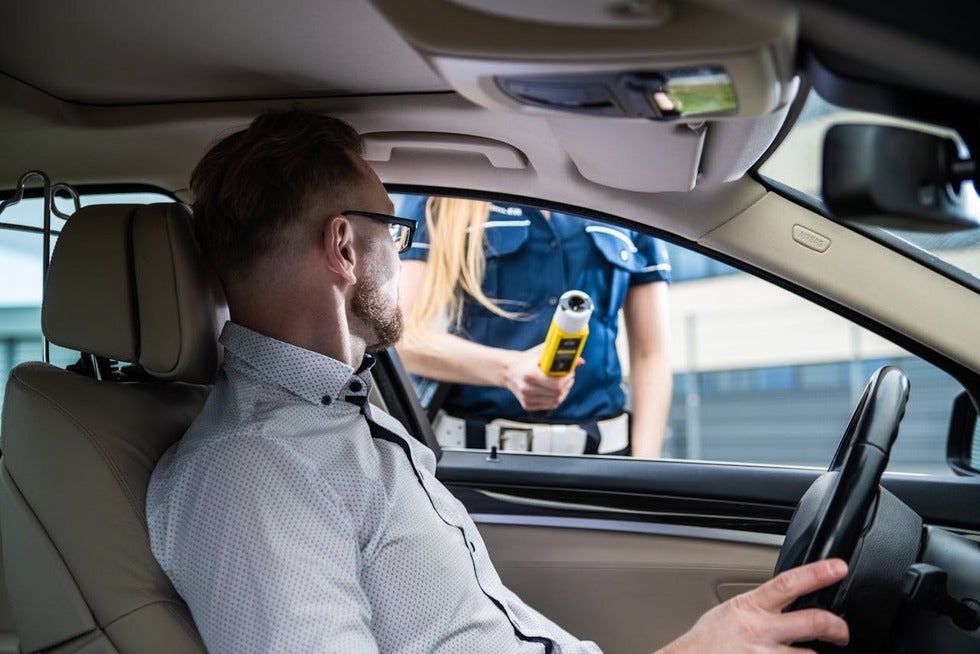
How Footage Shapes DUI Cases
Dashcam and body camera footage have become a key truth source in DUI investigations. When you examine how these bodycam recordings transform investigations and convictions, you realize just how much they influence the next steps. Strong video recordings provide officers, drivers, and courts with a superior lens for understanding what actually took place during a traffic stop, ensuring the process is more equitable and transparent for all involved.
1. The Traffic Stop
Dashcam footage frequently begins before the stop, documenting how and why an officer pulled you over. This is crucial for courts to verify whether there was a valid reason—probable cause—for the stop. With straightforward body camera footage, you can ascertain whether your rights were honored from the outset. Sometimes the footage can even show if an officer conducted an illegal search or neglected to identify the reason for the stop, which can make all the difference. If the video encompasses the entire stop, from initial encounter to DUI arrest, it can be used to resolve disagreements about the true underlying events. AI tools can now comb through hours of this footage to identify moments that count, such as missed signals or fast transactions, so crucial information does not slip through the cracks.
2. Driver Demeanor
Bodycam footage captures your every move and utterance once the officer approaches your vehicle, providing crucial evidence during a DUI investigation. This allows everyone to observe whether you appeared disoriented, anxious, or composed, information that might indicate whether you were genuinely impaired. Furthermore, an officer's depiction of your behavior in their report can be cross-referenced with what the body camera footage reveals, and any discrepancies can aid your DUI defense. Video allows jurors to witness your conduct firsthand, which can significantly impact the outcome of your DUI case.
3. Sobriety Tests
Bodycam footage offers a comprehensive viewpoint of field sobriety tests, detailing execution and environmental factors. This video recording can reveal if the ground was uneven or if distractions like loud traffic affected performance, which is crucial for courts assessing the fairness of the DUI investigation. Additionally, body camera footage can illustrate whether the arresting officer followed the correct procedures, a key aspect when defense attorneys contest the accuracy of the test. Any errors or missed steps captured on video can serve as strong evidence to challenge the DUI charge outcome.
4. Officer Conduct
Body camera footage reveals how officers behave during stops and their communication style, highlighting whether they obey procedures or err. These bodycams build trust for good behavior, but if an officer bypasses a required step or acts unprofessionally, it can jeopardize the case. Furthermore, if the footage captures wrongdoing or rights violations, it can lead to certain evidence being tossed, as courts often favor objective evidence in assessing the officer's actions.
5. The Arrest
The legal challenges surrounding body cam footage often revolve around whether the recordings were obtained and retained properly. Privacy laws in multiple countries impose strict rules on who can record, how long the footage is kept, and who has access to it. If the video recordings are filmed without authority, a judge may rule that they cannot be used in court. Understanding these rules is critical for your defense; if any steps are skipped, you might successfully exclude certain footage and strengthen your case.
Legal Hurdles For Footage
Understanding how body cam footage and dashcam recordings impact DUI cases requires insight into the rigid legal framework that shapes the courtroom experience. In the eyes of the law, video from police cameras can serve as strong evidence; however, not all footage guarantees a favorable outcome for the defense. The admissibility of body camera footage varies by jurisdiction, and even high-quality recordings might be excluded if they fail to meet specific standards. To effectively utilize video evidence in a DUI trial, one must comply with policies regarding its capture, storage, sharing, and presentation, or risk having it dismissed, regardless of its clarity.
Admissibility
Courts establish stringent standards for the admissibility of body cam footage that they permit. It's all about authenticity—the footage must be verified as genuine, unaltered, and directly connected to the incident, such as a DUI arrest. If there's any uncertainty regarding when or how a video was made, the likelihood of it being usable diminishes significantly. Police departments utilize time stamps, digital signatures, and secure storage to protect against modification. Chain of custody is crucial: you must demonstrate who handled the body camera footage from the moment it was recorded until it is presented in court. If a video is mishandled or left unattended, its value decreases dramatically.
In many cases, if they crop or add effects to a recording, it can jeopardize the entire criminal case. Prosecutors and DUI defense teams alike advocate for access to the raw files, not just edited clips or digests. Courts in certain jurisdictions demand that the footage encompass the entire police stop, as anything less can be perceived as cherry-picked and misleading. For individuals facing DUI charges, acting swiftly is essential: if the video is part of a rolling archive, delays can result in loss or overwriting. Filing appropriate legal requests promptly is not just intelligent; it is vital for a strong defense.
Authenticity
Your perspective on storytelling about video transforms its utilization. Indeed, prosecutors can always highlight a wobbly gait or slurred delivery as evidence of drunkenness. Defense lawyers could say these same indicators are from jitters or a health problem. To adjudicate disagreements, expert witnesses frequently intervene. They sift through the footage frame by frame, searching for evidence of splicing, missing segments, or technical issues.
Misreads all the time. What appears to be struggling for keys might simply be chilly fingers. Details the same moves look different on a gloomy night or a crowded street. A full, unbroken video is the best way to avoid errors about what the footage actually reveals.
Interpretation
Technical glitches are a significant concern in DUI investigations. Bodycam footage and dashcam recordings can falter due to depleted batteries, foggy lenses, or saturated memory cards. Even the best technology has its limits. Human errors can arise; for instance, an officer might forget to turn on the body camera or misdirect it. Such lapses can jeopardize the entire record, making it challenging to reconstruct events, leading both sides to dispute what actually transpired.
When the body cam video is unclear, each side may claim it supports their case. One party could argue that missing frames hide misconduct, while the other could assert that they remove vital evidence of innocence. AI can assist in analyzing hours of footage to pinpoint critical moments, but courts may question the admissibility of AI findings unless the operation and objectivity of the software are clearly demonstrated.
Technical And Human Flaws
Body cam and dash cam footage play a crucial role in DUI investigations, but they aren't foolproof. The effectiveness of this body camera footage relies on the quality of the technology, application, and interpretation in court. Bad video, technical issues, and human errors can all constrain how effective this video evidence is in a DUI case.
Equipment Issues
When officers neglect to activate their body cams or deploy them improperly, they risk compromising the entire recording. Body camera footage can be aimed at the ground or obscured by a jacket, while a dashcam may be canted away from the road. If recordings are muffled or unrecorded, key facts like whether Miranda rights were read may be missed. Shaky angles, blurry images, or broken sound can cause anyone in court to doubt what the video depicts, undermining the strength of the evidence and providing the defense greater leeway to argue the specifics in a DUI case.
One error, such as not activating the camera or not replacing a flat battery, can result in losing important moments to history. For instance, if field sobriety tests, like walking a straight line, are not captured on body cam video, the defense can argue that the tests were administered improperly or that unfair conditions influenced their results. When cameras break, experienced DUI defense attorneys can highlight these vulnerabilities to imply that certain evidence might have been lost or tampered with.
Being well-trained is crucial. If officers don't know how to operate the equipment or debug problems, the risk of losing crucial evidence increases. Good officers avoid making errors that might change the outcome of a DWI investigation. Defense attorneys thrive on pointing these issues out to question the prosecution's narrative.
Officer Error
Officer blunders during taping extend past mere technical missteps, especially when it comes to body cam footage. Sometimes the officers will forget to say why they pulled you over or fail to read Miranda at the appropriate time. This can harm the prosecution's case because the defense can argue that the stop was unlawful or that the defendant's rights were violated, impacting the overall DUI investigation.
These mistakes can lead to disputes regarding whether the defendant understood and waived their rights. If the body camera footage doesn't clearly display an unambiguous recitation of the rights or if the defendant appears disoriented, the defense may contest the confession or other evidence obtained during the stop, creating a strong defense against the DUI charge.
Defense lawyers often highlight these errors to undermine the prosecutor's case. They contend that due to these issues, the video recordings fail to provide an accurate portrayal of the events, thus warranting the dismissal of the case or a reduction of the charges.
Competing Perspectives
Body camera and dashcam footage provide powerful ammunition to both sides. For prosecutors, video can document a driver's behavior, the officer's actions, and the outcomes of field tests. This can strengthen the case if the video depicts obvious impairment or a reasonable testing procedure.
For defense attorneys, the footage can be just as useful. They can demonstrate whether the stop was lawful, whether the conditions, such as insufficient lighting or inclement weather, rendered tests unjust, or whether the officer employed deceptive strategies. The video can even bring into question whether the reason for the stop was valid to begin with.
Both sides employ video to frame the narrative in court. Jurors have to balance these perspectives, particularly if the video is fuzzy or partial. The side that spins a more compelling narrative with the footage usually wins.
A Tool For Both Sides
Dashcam and bodycam footage have become core evidence in DUI cases globally. As police forces equip themselves with bodycams, the body camera footage is emerging as a crucial evidential trail. These video recordings serve as tools for both sides, offering ammunition to shape the prosecution's narrative while also providing strategic moments for a strong defense. Understanding how each side utilizes this footage gives you a direct view of the real-world stakes involved in DUI investigations and the pursuit of justice.
Prosecution's Advantage
Dashcam and body cam footage provide prosecutors with a transparent, time-stamped narrative of what happened during DUI investigations. You experience what officers experienced, from driving habits to field sobriety tests, allowing for a more accurate assessment of driver behavior. With this type of visual evidence, prosecutors can demonstrate the defendant's behavior firsthand, instead of relying solely on written reports or witness recollections. If it's swerving, being late on the light, or slurred speech, all of those things provide weight to DUI charges.
Officers' body camera footage frequently corroborates their court testimony. In a trial, prosecutors can play video recordings to support an officer's account of the traffic stop, the questions that were asked, and the answers given by the driver. Jurors witnessing the incident firsthand will be more inclined to believe the officer, especially when the footage serves as objective evidence. Courts in the US and elsewhere have embraced this type of evidence as an important check on verifying what officers say.
When planning for trial or plea talks, prosecutors use bodycam footage to gauge how strong their case is. If the video is clear and damning, they may press for a harsher sentence or reject a plea deal. This use of technology means defendants must weigh video evidence heavily during case review and legal planning for their DUI defense.
Defense's Counterpoint
Defense attorneys now depend on video more than ever. By dissecting video frame by frame, they can identify minor errors or lapses in police work. For instance, if a dashcam reveals an officer skipping steps in a sobriety test or neglecting to read Miranda rights, these infractions can get crucial evidence tossed. Sometimes video will demonstrate that the driver was not swerving dangerously or that the stop itself lacked an obvious legal basis.
Occasionally, the videos will evidence innocence or at least establish reasonable doubt. If video logs demonstrate the driver talking clearly or passing field tests, this could influence jurors. Sometimes, the only difference between a conviction and a not guilty verdict is what shows on that video.
Defense teams must always see all the footage. An overlooked fact can win or lose a case. By reviewing every second of the footage, lawyers can identify holes in the prosecution's case, detect evidence of bias, or expose misbehavior. In doing so, dashcams and bodycams assist in fair trials.
Impact On Jurors And Sentencing
When you view video coverage of a traffic stop, the narrative is more real than words on a page could ever be. Juror psychology twists to see is to believe. This is a tool that can benefit both sides, depending on what's depicted in the video.
The visceral impact of seeing someone fail a sobriety test or hearing his slurred speech can nudge jurors toward conviction. If the video depicts professional behavior, no obvious intoxication, or even police misconduct, jurors can tip in favor of acquittal. Video influences not only decisions but public opinions about policing tactics and justice.
Last, judges may leverage video to inform sentencing. As an example, if there is obvious evidence of aggressive or dangerous driving or refusal to cooperate, the officer might apply harsher punishment. Meanwhile, video evidence of courteous behavior or small mistakes might persuade a judge to lessen a sentence. A tool for both sides. Video proof, now more than ever, determines the fate of DUI law.
The Unseen Influence Of Video
Video evidence in DUI cases fundamentally alters how facts are visually observed and emotionally felt in court. As a juror, you might be swayed by what you see on a screen more than by what you hear on the stand. Body camera footage and dashcam recordings create your perspective, making assertions feel more authentic and nuanced. These clips can reveal the reality of a traffic stop, allowing you to identify errors or unjust tactics not apparent in written reports. Such video recordings are not simply data; they serve as a prism that influences judgment and emotion, ultimately determining the outcome of DUI investigations.
Juror Psychology
When you view body cam footage or dashcam recordings, your emotions become engaged. The images can bring a moment alive, often more vividly than any account could. You may observe a trembling hand, slurred speech, or darting eyes. That specificity makes it challenging to ignore what is being displayed, even if the information is subject to alternative interpretations. When watching field sobriety tests, such as walking a line, you can determine for yourself if someone appears intoxicated, rather than relying solely on a stranger's word.
Jurors, much like you, trust what they see more than what they hear. This faith can work in favor of both law enforcement and defendants, depending on what the body camera footage depicts. If an officer's narrative aligns with the video, your confidence in their testimony may increase. However, if there are discrepancies or the video segment tells a different story, it could lead to doubts about the officer's credibility. This shift can influence the case in ways that verbal testimony seldom does.
The video introduces certain dangers. If you only see parts of the video or lack the full context, it's easy to jump to conclusions. Your feelings—perhaps anger, compassion, or suspicion—can cloud clear analysis. That's why courts need to present the entire context and help you understand what you're observing. By grasping jurors' responses to video evidence, defense attorneys can devise a strong defense strategy to ensure fair verdicts.
Privacy Implications
You may not care about privacy when you watch police video, but if you're in it, that's a huge issue. Body camera or dashcam clips can reveal private moments, damage reputations, impact jobs, and affect families. It's not just the person accused; their friends, passengers, or bystanders might end up on tape.
It's difficult to strike a balance between public safety and privacy. Police require cameras to maintain transparency, yet they must protect individual rights. Laws regarding who may view and distribute such videos are harsh for a reason. If you ignore the rules, you risk legal trouble, lost trust, and damage for everyone involved.
Future Technologies
New tech transforms the role of video in DUI investigations. Cameras now capture higher-quality body cam footage, even in low light or inclement weather. Others employ AI to look for hints, such as eye motion or how someone talks, that could indicate intoxication. These tools offer the potential for more trustworthy, objective documentation of driver behavior.
AI might soon assist in sifting through hours of footage, extracting highlights, or identifying potential mistakes in DUI arrest videos. For cops, it means more transparency and fewer allegations of bad behavior, thanks to improved body camera footage and software. It means courts and defense attorneys have to keep up, figuring out how to deal with these new kinds of evidence and what they mean for justice in DWI cases.
As tech moves fast, so do the risks and rewards. Superior clips can assist each side; it implies more data to guard and more questions on how much has to be shared in a criminal case.
Global Legal Differences
DUI laws vary significantly across the globe, and the use of body cam footage can play a crucial role in DUI investigations. In some countries, law enforcement officers are required to utilize body cameras, while in others, this practice is rare. For defense attorneys working across borders, navigating differing privacy regulations and understanding what constitutes admissible evidence becomes essential. Cultural attitudes toward impaired driving also influence the severity of penalties, making the role of body camera footage even more critical in constructing a strong defense against DUI charges.
Moreover, public trust in video recordings can significantly impact the outcome of a case. In regions where DUI is treated leniently, the presence of bodycam footage may alter perceptions and provide objective evidence that can be pivotal for defense strategies. Thus, comprehending local customs and legal frameworks is vital for international legal teams to effectively address these challenges.
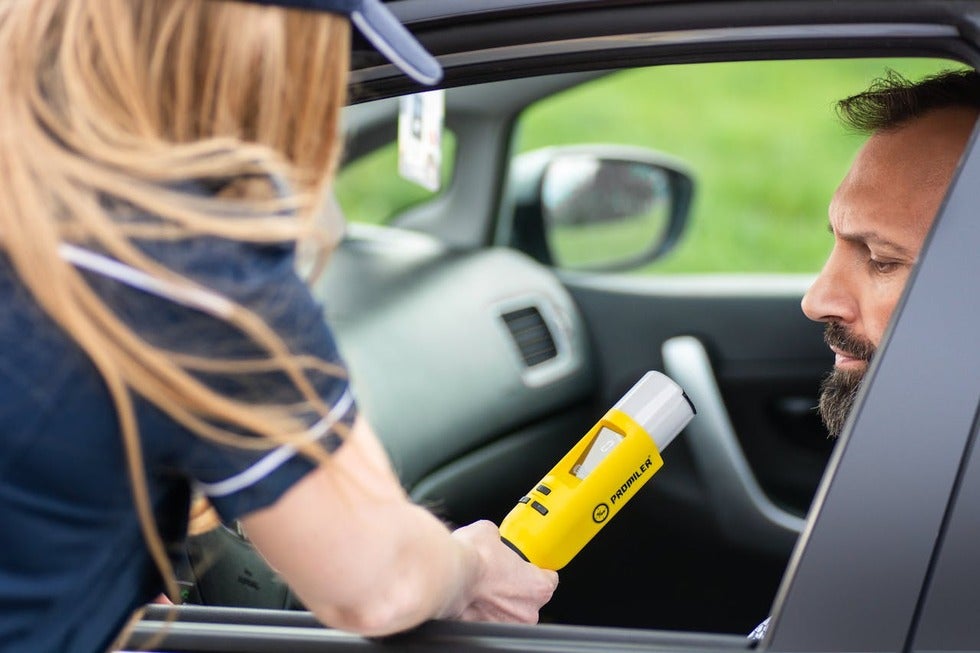
Navigating Global Legal Differences
As you operate transnationally, you experience how difficult it is to stay on top of legal developments. How countries handle body camera footage and dash cam footage in DUI cases varies. Each legal regime has different rules for what constitutes actual evidence, how you should store digital records, and whether police footage can even be used in court at all. Others require a strict chain of custody log, while others accept digital uploads sent shortly after an arrest. What constitutes “tampering” or “loss” may vary from one border to another. If you're a techie, analyst, or legal counsel, you need to understand these minor yet crucial changes in regulations so you can make strong arguments or provide solid guidance.
DUI charges, for example, where bodycam footage can turn the whole narrative on its head. Your facts must demonstrate what actually occurred – did a driver appear unsteady, did the officer administer the appropriate field sobriety test steps, did the environment (rain, noise, other crowds) make the test ambiguous? Field sobriety tests are less infallible than believed. The walk and turn, one-leg stand, and gaze tests all demand much from an individual. The issue is that stress, fatigue, or even the level of the floor can mess with the result. Body cam and dashcam videos provide a means to verify whether the test was fair and if the officer followed protocol. Such evidence is only good if you save and share it. If the video is unclear, cut off, or lost, your case is flimsy. In certain jurisdictions, lost footage can mean the case is dismissed. In others, the court might merely observe it and proceed.
Your task becomes complicated when you deal with more than one legal system. In some places, you need explicit permission to film police encounters. Fewer places require that video be always on by law. The manner in which you introduce video to court — how you store, label, and present it — can affect how judges perceive your case. Some laws won't consider video unless it's supported by a sworn expert or has a certificate of authenticity. Others allow nearly any digital file to qualify as long as it appears authentic and has not been modified. You have to figure out each step for every country or region, from gathering the video to ensuring it's not altered, to how you present it in court.
If you want to win worldwide DUI cases, you have to know where and how to fit video evidence into every justice system. You have to consider each rule on how to gather, store, and use body and dash cam files. This keeps your work up to the highest standards regardless of location.
Conclusion
You live in an era where body cameras and dashcams alter the progression of DUI cases. You know what happened, not just what someone says. That footage can assist both sides. It can clear up facts quickly. You identify errors and technology shortfalls as well. Not all footage captures the complete narrative, and legal statutes vary regionally. You have to know your rights and laws where you live. You get a distinct advantage by finding out how video plays in these cases. That molds better decisions for your future self. Be aware, be inquisitive, and keep up with new technology and legislation. To share your tale, join the discussion on our blog.
Frequently Asked Questions
1. How Can Body Camera And Dashcam Footage Impact Your DUI Case?
Body cam footage can show what really happened during your stop, which could either support your side of the story or verify the officer's report, critical for your DUI defense or the prosecution.
2. Are There Legal Issues With Using Video Footage In DUI Cases?
Well, there are legal regulations for how body camera footage is gathered and utilized. If you don't follow the rules, the court may refuse to admit the video recordings, leading to issues in your DUI case.
3. Can Technical Problems With Cameras Affect Your Case?
Technical issues, such as low-resolution body cam footage or lost video recordings, can introduce ambiguity, restricting the value of the footage for establishing or refuting your DUI case.
4. Who Can Use Body Camera And Dashcam Footage In Court?
Not only can the prosecution use body cam footage, but your defense team can also leverage it. This video recording may assist in establishing your innocence or bolster the officer's assertions in court.
5. Can Video Footage Show Mistakes Made By Police Officers?
Yes, body cam footage can expose mistakes made during your arrest, like bad procedures. Such evidence can assist your defense and may even lead to reduced charges or a case dismissal.
6. Does The Use Of Video Evidence In DUI Cases Differ Worldwide?
Yes, there are laws about using body cam footage as video evidence in different countries. Certain jurisdictions have pretty strict regulations regarding the admissibility of body camera footage, while others might not accept footage at all.
7. Can Video Footage Be Misleading In A DUI Case?
Sometimes, missing audio or funny angles in body cam footage can create a false impression. One should review this video recording carefully with a legal expert to understand its impact on your case.
------------------------------------
Protect Your Future: Your Rights Matter After A DUI Arrest
A DUI arrest can turn your life upside down. Your license, your record, and your future are all on the line, and every decision you make from this moment forward matters. The legal system moves fast in these cases, and without the right defense, you risk serious penalties that can follow you for years.
At Gorelick Law, we understand how overwhelming this situation feels. Our team has spent decades defending people facing DUI charges and guiding clients through the confusion of DMV hearings, court deadlines, testing issues, and rights violations. We focus on protecting your freedom, challenging the evidence, and making sure law enforcement plays by the rules.
You don't have to navigate this alone. Visit Gorelick Law to learn how we can safeguard your rights and build a strong defense from day one. Call for a free consultation and get a dedicated advocate in your corner. Your future is worth protecting, and we're ready to fight for you.
Disclaimer
The materials available on this website are for informational and entertainment purposes only and are not intended to provide legal advice. You should contact your attorney for advice concerning any particular issue or problem. You should not act or refrain from acting based on any content included in this site without seeking legal or other professional advice. The information presented on this website may reflect only some current legal developments. No action should be taken based on the information on this website. We disclaim all liability concerning actions taken or not taken based on any or all of the contents of this site to the fullest extent permitted by law.


