
What do judges in theEast Bayy do with probation violations? Judges make decisions about the treatment of probation violations in the East Bay based on the type of violation, the defendant's efforts on probation, and new criminality. Easy or first-time slips, such as missing a check-in, could result in a warning or increased check-ins. More serious conduct, like new arrests or rule-breaking, typically involves court hearings where judges consider all sides. Judges will talk to probation officers, lawyers, and sometimes the individual's family. Each case results in different outcomes, from additional terms to jail. To illustrate how judges decide, the next sections detail the process and actual results from local courts.
Key Takeaways
-
Judges in the East Bay carefully assess the severity of probation violations, offender history, and overall probation performance before deciding on sanctions. They ensure a fair and individualized approach.
-
The judicial process distinguishes between technical and substantive violations. Repeated or serious violations lead to more stringent consequences, including possible incarceration.
-
County-specific policies and resources, like those in Alameda County, influence how probation violations are handled and what kinds of support are available to probationers.
-
Judges place significant stock in probation officers' reports and recommendations, making it critical to maintain a cooperative relationship with supervising officers.
-
Participating in community programs and support services available in the East Bay could provide a very favorable impression to the judge and minimize recidivism for probationers.
-
It's important to have an experienced attorney to guide you through the probation violation process, present a strong defense, and fight for the best possible outcome in complicated legal settings.
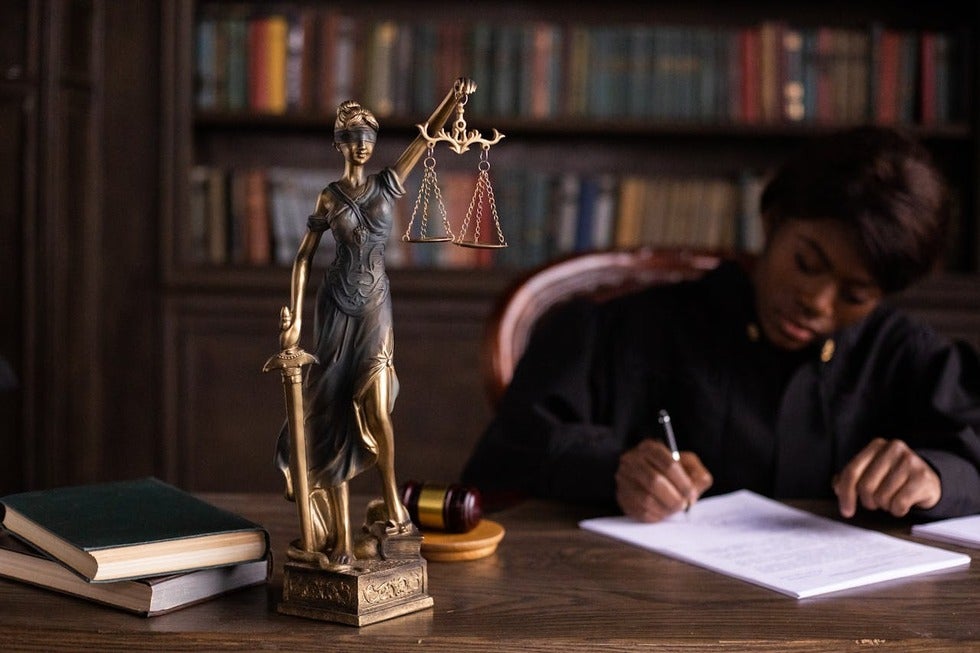
The Judicial Evaluation Of Probation Violations
East Bay courts take a considered approach when evaluating parole violation cases, deliberating the circumstances and facts prior to mining next steps. Judges don't view every probation violation equally; they hold hearings, review records, hear both sides, and make a decision appropriate to the case.
1. Violation Severity
Probation violations in California can be categorized into two broad groups: technical and substantive. A technical violation, such as missing a probation meeting or failing to report a new address, may seem minor. However, substantive violations, like being arrested for a new crime, are taken more seriously by the courts. Judges regard substantive violations more harshly, particularly if they endanger others or show contempt for the law. When a probationer repeatedly violates the same conditions, the court may impose serious consequences, including jail time or additional probation requirements.
2. Offender History
Judges primarily use your record to determine appropriate actions, especially if the individual has a history of parole violations or an extensive criminal background. If it has been a significant amount of time since the last parole violation, this can work in the person's favor. A new pattern of breaking rules indicates more risk, while compliance sweeps, such as reporting for probation or honoring sanctions, are closely monitored. For repeat offenders, harsher punishments prevail in the justice system.
3. Probation Performance
Courts examine the general probation compliance, especially regarding probation requirements. Probation officer reports are critical since they reveal whether the individual was truthful, participated in mandated courses, or undertook community service. If you missed a few check-ins but completed counseling and stayed out of trouble, the court may take that as a sign of effort. Disregarding most terms won't assist their cause, as judges seek evidence that the individual is correcting errors, such as signing up for new courses or obtaining stable housing.
4. Mitigating Factors
Personal background is not overlooked in parole violation cases. Judges examine whether issues such as mental health problems, substance use, or family strain contributed to the parole violation. If someone initiated counseling or received support after the violation, that can temper the judge's reaction. Courts might consider external pressures like job loss if they're making positive changes, often resulting in more assistance rather than just sanctions.
5. County Differences
East Bay counties, including Alameda County, could have their own regulations and resources, particularly regarding parole violations and alternative sentencing. For instance, Alameda County provides special options such as drug treatment or job training, which judges can substitute for jail instead of imposing harsh parole conditions. Local rules and funding determine what help is available, and understanding these local policies sheds light on why results can vary for parallel cases.
The Violation Hearing Process
A probation violation hearing in the East Bay typically proceeds in a more or less formal manner, directed by law and court procedure. The process begins with a preliminary hearing or, in some states, "summary revocation," where the judge determines if there is probable cause that a parole violation occurred. If probable cause is found, the case proceeds to a hearing. At this point, the prosecution must establish the alleged probation violation by a preponderance of the evidence, not beyond a reasonable doubt, as in criminal trials. The judge is involved at every stage, determining what evidence may be admitted, weighing testimony, and keeping the proceeding fair.
The Allegation
The violation hearing process for parole violations could include missed appointments, new criminal charges, or failure to complete court-ordered programs. Documentation is at the heart of the process, from probation officer reports to attendance sheets to police records. The burden of proof lies with the prosecution, which must establish that a violation occurred on the 'more likely than not' level. The accused can dispute the allegations, find mistakes in the documentation, or discrepancies in testimony.
The Hearing
There are specific courtroom procedures to follow at the probation revocation hearing. The judge demands that everyone in the courtroom adhere to rules, approaching the bench respectfully, filing evidence promptly, and refraining from interruptions. Both sides plead their case in a succinct, fact-based manner pertinent to the parole violation charges. Evidence in the form of a written report, electronic records, or live testimony should be collected and directly connected to the probation conditions. Cross-examination is usual, with the judge posing incisive questions to challenge the robustness of each party's case. The hearing can be intimidating, but preparedness and focus clarify the unknown.
Your Rights
While California probationers have certain rights at these probation violation hearings, it's not a good idea to represent yourself—experienced probation violation lawyers can get better results and ensure the process is fair. The right to present evidence and call witnesses is protected, enabling the accused to contest the prosecution's case or provide context for their actions. If the result is detrimental, then the right to appeal provides an additional level of scrutiny, although appeal mechanisms are often slow and difficult. Knowing and exercising these rights promotes a just hearing and can make a difference in the outcome.
Potential Judicial Sanctions
East Bay judges have a wide range of sanctions at their disposal to address probation violations, including serious consequences for parole violation cases. Each instance is handled according to the violation's severity, the defendant's history, and intent.
-
Continue probation under current terms.
-
Add or change probation rules.
-
Extend the length of probation.
-
Revoke probation and order jail or prison time
-
Assign community service or treatment programs
-
Issue a warning for minor, first-time violations
Reinstatement
Reinstatement is frequently available when the infraction is de minimis or merely technical, and the defendant shows a willingness to cooperate. For example, someone who misses one appointment but has otherwise complied with the probation requirements. Judges look for signs that the defendant's intent was not a willful disregard of parole conditions. To reinstate probation, judges may impose new restrictions or additional conditions, such as increased check-ins or enrollment in treatment programs. This can lead to extra obligations like community service or counseling. Reinstatement does not necessarily restart the initial clock; the overall probation term may be extended, providing an opportunity to demonstrate renewed commitment to the court.
Modification
Probation terms may be adjusted to more appropriately suit the defendant's circumstances or to address repeated parole violations. A judge could impose curfews, mandate drug testing, or require joining a treatment program, which can assist a California probationer in averting sterner judicial sanctions and thriving while under supervision. Change is particularly frequent if the court observes a trail of small crimes, not a blight of gross violations. For instance, if your trouble is drug use, the court might impose counseling rather than jail. This customizes the answer to the individual's circumstances and provides an opportunity to become more compliant. Modification might involve additional check-ins or more stringent supervision.
Revocation
|
Factor |
Influence on Revocation Decision |
|
Severity of Violation |
High severity leads to more revocation |
|
Prior Record |
Repeat violations weigh against leniency |
|
Circumstances/Intent |
An accidental or technical error is less likely |
|
Compliance History |
Strong compliance favors non-revocation |
Revocation is the most severe sanction in the context of probation violations. Upon probation revocation, the individual could be sentenced to the initial jail or prison term. The court will examine all the facts, including whether the person acted willfully or if there were mitigating reasons for the breach. During a probation revocation hearing, the judge may allow the defendant to dispute the finding. If the transgression is egregious or involves a new crime, revocation is far more likely, and a new sentence can be harsher than the original.
East Bay Probation Nuances
East Bay probation is influenced by a combination of strict court regulations and local customs, particularly in California probationer cases. Every county on that side of the bay, including Alameda, has its own probation nuances. Probation officers serve as the primary connection between the court and the probationer, closely monitoring and reporting any parole violations. East Bay probation penalties for violations are not one size fits all, and neither are the consequences for East Bay probation violation cases. Other common triggers include missing court dates and treatment programs, as well as the commission of a new offense. It is hard to navigate the legal system, especially with new efforts to prioritize rehabilitation over punishment.
Local Programs
-
Alameda County Probation Department offers supervision, referrals, and support services.
-
Community-based organizations run job training, education, and mentoring programs.
-
Substance abuse treatment: Local clinics and centers provide counseling for drug and alcohol issues.
-
Mental health support: Counseling services are often required as part of probation.
-
Restorative justice programs focus on repairing harm and reducing repeat offenses.
-
Community service opportunities help probationers give back and fulfill court requirements.
If you participate in these programs, it typically makes the sentence for low-level infractions less harsh. The courts tend to be more favorably disposed towards probationers who complete counseling or treatment; these are tangible signs of progress. For drug offenses, judges may mandate drug treatment instead of incarceration, either inpatient or outpatient.
These local efforts are demonstrably effective, reflected in reduced recidivism rates. Community engagement interventions, like job training, can make a difference. Everyone's program won't fit everybody, but those taking these resources fare far better.
Policy Shifts
East Bay probation nuances. These laws push for alternatives to jail and more rehab, particularly for non-violent offenses. Courts sometimes utilize alternatives to revocation, such as additional counseling or closer monitoring.
Advocacy groups have moved the needle on laws. Their efforts resulted in policies that take individual circumstances into account and emphasize second opportunities. East Bay probation policy changes typically translate into more help for probationers, but may increase stringent reporting responsibilities.
For residents, new guidelines can translate to both an increase in assistance and an increase in regulations. Every turnaround in policy introduces new hurdles that demand swift adjustments.
Judicial Philosophies
East Bay judges are not unanimous. Some emphasize rule adherence, while others seek evidence of maturation or dedication to change when balancing infractions. A judge's perspective can make the difference between a warning, additional community service, or jail.
Establishing a good rapport with the judge and demonstrating genuine effort in abiding by the terms might assist. Judges typically take into account your personal background, past performance, and attitude or willingness to participate in programs.
Even with comparable violations, results vary by judge. For some, a missed deadline is grave. For others, they will extend a second chance if the individual is advancing elsewhere. As probationers, we should be aware of our judge's proclivities and be prepared for various consequences.

The Probation Officer's Influence
Probation officers have a key role in the courts' approach to parole violation cases in the East Bay. They're so much more than just checking boxes and writing reports; they can determine if you get a warning, a second chance, or go back to jail. Officers monitor, mentor, and occasionally determine if a stumble is reportable at all. Their job is to keep people on track, not just catch slip-ups, which renders their impact on judicial outcomes both pragmatic and potent.
The Report
A probation officer's report is the primary way a judge finds out how a California probationer is doing. These reports typically cover attendance at mandatory meetings, participation in court-mandated programs, and results of drug or alcohol testing. The officer will document any skipped check-ins or new offenses, which can lead to serious parole violation charges. Judges rely on these reports because officers spend the most time with probationers, and the report can show a clear pattern: steady improvement, small slips, or repeated problems. This history is crucial, as the officer's recommendation — whether to warn, tighten, or revoke — carries a lot of weight. Judges frequently rely on these suggestions because the officer is most familiar with the probationer's narrative. If the report errs, it can do real damage, especially in a parole violation case.
The Recommendation
-
Directly affects whether a judge views the probationer as reliable.
-
Can suggest more help or stricter penalties
-
May push for shorter or longer probation terms
-
Sometimes asks for counseling or treatment instead of jail
-
Serves to make a determination about whether the individual remains in the community.
A good word can tip the judge's decision in a probation violation case. If the officer says the probationer tried really hard, the judge may be more lenient. Badmouthing can get you a tougher sentence. Dealing with parole violation charges, with the assistance of an experienced parole violation lawyer, is essential.
The Relationship
A good probation officer can change everything for a California probationer. Generally, the more honest and open you are with your officer, the more support and guidance you receive, which helps in fulfilling your parole conditions and staying out of legal trouble. They can be a resource, assisting probationers to avoid parole violations and stay compliant. Trust is a two-way street; if the officer thinks the probationer is making an effort, they are more likely to suggest a second chance than a fine. Open talk avoids misunderstandings, which can lead to serious consequences. Smart talking can be the difference between a caution and a court date.
Why You Need Legal Counsel
East Bay probation violation cases can get convoluted quickly, especially when considering the potential consequences of a parole violation. Every stage in the process, from court appearances to probation reports and potential sanctions, has its own regulations. The risks are significant; someone accused of a parole violation can go to jail, be fined, or scar their record. These outcomes can impact a person's future, so it's imperative to have someone in your corner who understands the legal system and can safeguard your interests. Legal counsel provides clarity to a legal process that can be bewildering, particularly for those unfamiliar with court procedures.
Conclusion
How do judges in the East Bay treat probation violations? They verify information, hear from both parties, and consider evidence. Sanctions are suitableforo what happened. Sometimes, judges extend the clock or impose new conditions. Sometimes, they just end probation or send people to jail. Local rules can influence how tough or reasonable the court behaves. Probation officers shape the judge's perspective. They can talk on your behalf or against you. Legal assistance can make a difference. How do judges treat probation violations in thEast Bayay? For more information or to get assistance with your own case, contact a local legal professional. Get honest answers and map out your next steps.
Frequently Asked Questions
1. How Do Judges In The East Bay Evaluate Probation Violations?
Judges consider the severity of parole violations, the individual's history, and recommendations from probation officers. We review every case to ensure you receive fair treatment throughout the legal process.
2. What Happens During A Probation Violation Hearing?
They listen to both sides, review evidence, and allow the defendant to reply during probation violation hearings. The objective is to determine if a probation rule was violated.
3. What Penalties Can Judges Impose For Probation Violations?
May include warnings, stricter probation requirements, community service, or jail time, depending on the type of parole violation and history.
4. Are There Special Rules For Probation In The East Bay?
The East Bay can be its own world, especially for California probationers. Judges still comply with CA law, and local courts may have special programs or resources for probation violations.
5. How Much Influence Does A Probation Officer Have In Court?
Probation officers offer reports and recommendations. Judges have their wisdom, but it is ultimately up to the judge.
6. Can Hiring A Lawyer Help With A Probation Violation Case?
Yes, an experienced probation violation lawyer can advise you of your rights, advocate for you in court, and assist in obtaining the most favorable result regarding your parole violation case.
7. What Should I Do If I Am Accused Of A Probation Violation?
Don't even think of calling a probation violation lawyer after a probation violation. Bring any proof or paperwork regarding your parole conditions. Go to all hearings and listen closely to the court.
------------------------------------
Protect Your Future: Your Rights Matter In Criminal Cases Beyond DUI
Facing a criminal charge can change your life fast. Your name, your career, and your stability are all at risk, and the steps you take right now make a real difference. These cases move quickly, and without the right attorney, you could face consequences that follow you for years.
Gorelick Law understands how heavy this feels. Our team has defended clients for decades in cases that go far beyond DUI. We handle assault, theft, drug charges, probation violations, and a wide range of other criminal matters. We look closely at the evidence, question every weakness, and make sure law enforcement follows the rules. You get a clear plan and strong representation designed to protect your freedom.
You don't have to deal with this alone. Visit Gorelick Law to learn how we handle the full range of criminal defense cases. Call for a free consultation and talk with an advocate who's ready to stand with you from the start. Your future is worth defending.


