
Key Takeaways
-
California DUI plea bargain allows defendants to plead guilty or no contest to reduced charges, which can lessen penalties and speed up case resolution.
-
Knowing the hidden steps of the plea bargain from arrest to finalization is key to making informed choices, as negotiation and judicial review are front and center.
-
These types of plea results, such as wet reckless, dry reckless, exhibition of speed, or an infraction, all have different ramifications for your sentence, your criminal record, and your risk of future exposure.
-
Plea bargains in California DUI cases: how do they work?
-
Defendants should make trade-offs between the certainty and the long-term risk and consult with legal counsel about the implications to their professional licenses, insurance rates, and future offenses.
-
While taking a plea bargain can get you out from under the harshest penalties today, it's important to think about the long-term implications on your professional life, your insurance rates, and the way a prior offense will affect your next case.
California DUI plea bargains allow defendants accused of drunk driving to accept a plea for a reduced charge or sentence in exchange for foregoing a trial. Prosecutors and defense attorneys negotiate and attempt to strike a bargain that allows both parties to steer clear of the danger and prolonged duration of a trial. These bargains can involve reduced fines, reduced jail time, or the charge reduced to something like reckless driving. Police reports, BAC, and previous records are a big part of these negotiations. Understanding plea bargains enables people to understand their options and strategize accordingly. The following sections detail each stage and what to anticipate from the procedure.
What Is A DUI Plea Bargain?
Essentially, a DUI plea bargain is a contract between you and the prosecutor. The accused admits guilt or no contest to a reduced offense, such as reckless driving, or consents to a diminished sentence. This arrangement assists both parties in avoiding a trial and frequently delivers softer penalties than a complete DUI conviction. Its goal is to resolve the case more quickly and reduce exposure for both the court and the defendant.
In these cases, the plea bargain may come in a number of ways. The most obvious example is the charge reduction. They may be willing to reduce the DUI charge to a wet reckless or dry reckless. Wet reckless means it is a reckless driving charge with alcohol involved, and dry reckless means no alcohol. Both carry less severe penalties than a DUI. Other times, if the evidence is flimsy or the BAC was right at the limit, a DUI can get knocked down all the way to minor traffic offenses. One infraction can be cleared with a traffic school, and one adds points to the driving record. This matters because keeping a DUI conviction off your record avoids lingering consequences such as elevated insurance premiums and issues with employer or college applications.
Plea bargains are particularly prevalent for first-time DUIs or if there are concerns over the manner in which police conducted the arrest. For individuals in these positions, a plea bargain provides more predictability. Instead of leaving it up to a jury and judge to impose a potentially harsher sentence, the person knows exactly what to expect. Still, even with a plea deal, there are some punishments. They may include a license suspension, fines, or the requirement to install an ignition interlock device on the vehicle, depending on the jurisdiction and facts.
Taking a plea bargain is a big step. It's surrendering your right to a trial and conceding some guilt, albeit on a lesser charge. Anyone considering a plea bargain must be aware of all the potential consequences, immediate and long-term.
The Plea Bargain Process
The plea bargain process in California DUI cases is a structured negotiation aiming to resolve charges without a full trial. It depends on face-to-face negotiations between defense attorneys and prosecutors, taking into account the specifics of the case, evidence at hand, and the motivations of each side. It's the plea bargain process that saves time, court resources, and often results in outcomes that are more predictable than a jury verdict.
-
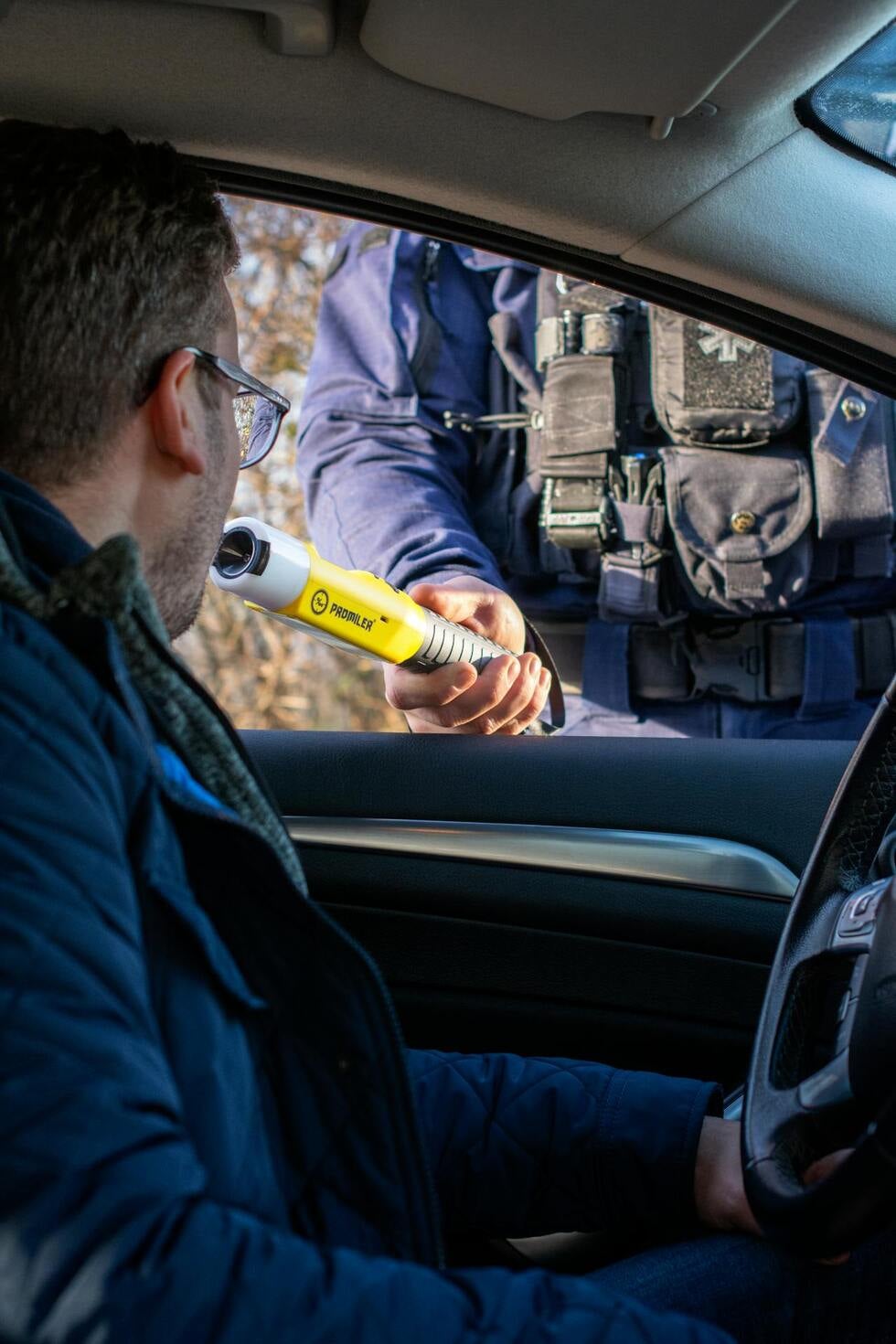
Plea bargain process — arrest and booking. How it works: After a DUI arrest, cops may pull over a driver for weaving or at a random checkpoint. They're then tested for BAC, and if it's high, charges ensue. The defendant is booked, and a record is made. Lawyers are crucial here for protecting the defendant's rights. Immediate access to evidence, such as BAC results or dash cam footage, can shape the strength of a future plea offer.
-
Arraignment - At the arraignment, the defendant hears the charges and enters a plea, typically not guilty at this stage. Sometimes the prosecution offers an early plea bargain, particularly if the evidence is strong or there are technical errors. How defendants should think about plea bargains. Pleading without knowing can get you into serious trouble.
-
Plea Bargain Process - The bargaining stage is where defense attorneys and prosecutors negotiate. Defense counsel exploits holes in the state's evidence, such as borderline BAC, testing errors, or procedural sleights, to secure downgraded charges. In DUI cases, plea deals can result in “wet reckless” or “dry reckless” convictions, which have less severe penalties than a DUI. It depends on the defendant's record, if there are factual disputes, and if they're willing to accept responsibility.
-
The Judge's Involvement - Judges look at all plea agreements to make sure they are fair and legal. They ensure the result is legal and that the defendant isn't being pressured. Judges may deny any deal they consider unjust or not in the public interest. It's their responsibility to ensure the defendant fully understands the ramifications of their plea, including potential future job or insurance consequences.
-
Closing the plea deal - Once a deal is struck, it must be entered in court. The defendant usually affirms having understood all the terms, and the judge may impose additional terms like probation, fines, or mandatory courses. All of the above must be clearly accepted by both parties, as misinterpretation can cause trouble down the road.
Common Plea Bargain Outcomes
Plea Bargain (the most common outcome)—In many California courts, cases are resolved by the defendant entering into a plea bargain to plead guilty or no contest on a lesser charge. These are influenced by the circumstances of the case, the defendant's record, and the interests of justice. The typical results include:
-
Wet reckless
-
Dry reckless
-
Exhibition of speed
-
Infraction (non-criminal traffic offense)
-
Occasionally, drunk in public (DIP)
They impact sentencing in terms of less jail time, fines, and license suspension. Certain plea deals aren't considered “priorable” offenses and won't boost penalties for subsequent DUIs. Taking a plea bargain will essentially guarantee a criminal record, but how serious that record is and the future repercussions vary by charge. Each plea works best with certain case characteristics, such as BAC or prior offenses.
Wet Reckless
Wet reckless is a step down from DUI, usually reserved for first offenders with low BAC or prosecutorial vulnerabilities. It results in less jail time, fewer fines, and shorter license suspensions than DUI. The primary long-term risk is that wet reckless is “priorable.” If you get another DUI within ten years, the court will count the wet reckless as a prior, resulting in significantly more severe consequences. While it's not a DUI, it's still a marked alcohol offense, which affects insurance and subsequent criminal culpability.
Dry Reckless
Dry reckless is a reckless driving charge that does not mention alcohol or drugs. Its main advantage is that it is not priorable for DUI purposes. Penalties are softer, including a minor fine, no mandatory jail, and frequently no license suspension. They rarely offer this because it isn't an alcohol offense and therefore is harder to negotiate. Dry reckless typically doesn't require DUI school either, which is great for those in need of a clean record!
Exhibition Of Speed
Speed exhibition is a rare plea in a DUI case, utilized primarily if the DUI evidence is weak. This plea results in light punishments, generally a fine and maybe probation, but no license suspension or DUI school. It might be offered if the driver's BAC was just at or under the limit, or if there were procedural mistakes. For low BAC defendants, it avoids a criminal DUI conviction and keeps insurance rates in check.
Infraction
No criminal charges are filed, so there's no jail time or criminal record. You might just pay a small fine, but it could still mean points on your DMV record.
Infractions are different from misdemeanors in that they're not criminal and don't involve jail. The tradeoff here is no criminal record and a relatively small fine. It might still tack points on your driving record and potentially increase insurance rates, but it's not nearly as harmful as a DUI conviction. Plea bargains to misdemeanors usually demand strong defenses or major issues with the DUI case.
Why Prosecutors Offer Deals
Plea bargains are an integral part of the way DUI cases flow through the courts in California. These deals allow both parties to escape the expense, duration, and trauma of a trial. There are many reasons that prosecutors offer deals, and that's one of the reasons they do.
Deals are offered by prosecutors to manage heavy court caseloads. The courts get a lot of DUIs every year, and they can't all go to trial. Trials consume court time, personnel, and taxpayer money. By offering plea bargains, prosecutors can clear cases more quickly and allocate those resources for more serious or intricate crimes. This enables the criminal justice system to keep pace with the constant stream of cases and avoid huge backlogs.
Another key reason is to sidestep the unpredictability of trials. Trials are unpredictable. Even if the prosecution thinks it has a solid case, the jury might think otherwise, or the defense might uncover some reasonable doubt. This danger is what makes prosecutors much more likely to cut deals, particularly if the evidence is borderline. For instance, if we suspect the police tripped up somewhere, such as Title 17 violations in California, which determine how a chemical test must be handled, then that can erode the case against the defendant. Likewise, if the prosecution's expert cannot justify the testing results, establishing that the defendant is guilty becomes a lot more difficult.
The strength of the evidence is always a big factor. If a defendant's blood alcohol test is absent, ambiguous, or not performed by the book, the prosecutor might determine that a plea deal is preferable to a chance of losing at trial. Deals are more common for first-timers. They may be more apt to knock it down, like a wet reckless instead of a DUI, or just a traffic infraction. These choices provide defendants an opportunity for a softer result while still allowing the court to keep the onus on them.
Prosecutors consider the defendant's risk tolerance to go to trial. Certain defendants will resist at every juncture, while others could be seeking an expedited settlement. Plea deals provide an opportunity to tailor the result to the circumstances and the individual.
Weighing Your Options
Deciding whether to take a plea bargain in a California DUI case is a complex decision influenced by numerous considerations. Defendants have to balance the evidence against them, their own risk appetite, and the terms of the plea deal offered. Plea bargains are the cornerstone of California's criminal system, resolving as many as 95% of cases. That's why it's so important to know your options and potential outcomes, particularly for first-time offenders, where plea deals might open the door to things like probation or potentially even diversion. The appropriate step hinges on the specifics of each situation and the defendant's objectives.
The Certainty
A plea bargain provides certainty. The terms are set: you know what to expect, how long the penalties will last, and exactly what you're agreeing to. This is very different from a trial, where the outcome is uncertain and can swing either way based on evidence or argument. For a lot of folks, it means less stress and fewer late nights fretting, which can be a godsend during a crazy period. Plea deals can signify less severe sentences than could arise from a trial, for example, lower fines or probation rather than incarceration. In certain cases, you might even escape with a DUI-free record, which can assist in job searches or traveling in the future.
The Risks
Accepting a plea deal can carry a negative reputation because it means you admit to wrongdoing. This plea can show up on your record, which might make it harder to find jobs or places to live. If you get another DUI in the future, you could face tougher penalties because of this plea. There can also be hidden costs, like higher insurance rates or problems with your driver's license. Additionally, if you have a strong defense, you might lose the chance to prove your innocence. Without a lawyer, you could end up agreeing to terms that hurt you in the long run.
Even a plea can have serious long-term effects. If you receive another DUI, the court can take your prior plea into account to enhance fines or extend your driver's license suspension. Plea deals sometimes appear attractive initially, but carry collateral consequences such as increased insurance rates or difficulties in traveling internationally. If you don't have a handle on these risks, you may rue the decision later, particularly if a trial would have been the pathway to an improved result.

County differences and local practices
Plea bargaining practices vary by county. Urban DA offices may have formal DUI bureaus that follow written internal guidelines, while smaller counties may negotiate on a case-by-case basis. For example, local office memos or county statistics sometimes show very high plea rates — indicating the ubiquity of plea bargaining as a case-resolution tool. Defense attorneys who practice locally understand these patterns and use them strategically.
Conclusion
To recap, plea bargains are a significant part of how California courts process DUI cases. They provide both parties a fast and easy path to resolution. Most folks think of “wet reckless” or deals. Others receive reduced jail time or shortened license suspensions. Courts love plea deals because they are time-saving and cheap. Prosecutors can push deals for weaker cases or to clear crowded dockets. Folks have to be aware that deals have consequences, such as a record or more expensive rates over time. Every decision molds your destiny. To give yourself the best chance, consult with an attorney who understands DUI laws in your jurisdiction.
Frequently Asked Questions
1. What Is A Plea Bargain In A California DUI Case?
A plea bargain is an understanding between the defendant and the prosecutor. They plead to a related or lower crime or take a lighter sentence instead of going to trial for the original DUI charge.
2. How Does The Plea Bargain Process Work For DUI Cases?
This typically begins post-arrest. Both sides negotiate potential deals. When they make a deal, the defendant pleads guilty to a reduced charge, and it is generally over without trial.
3. What Are Common Outcomes Of DUI Plea Bargains?
Typical concessions are charges such as wet reckless or reduced sentences. These can include shorter license suspensions, lower fines, or less jail time than a complete DUI conviction.
4. Why Do Prosecutors Offer Plea Deals In DUI Cases?
They offer those deals to save time and resources. Plea bargains can close cases quickly and guarantee at least some accountability, particularly if the evidence is not strong on all counts for a conviction.
5. Should You Always Accept A DUI Plea Bargain?
Not necessarily. You need to consider the advantages and disadvantages. About how plea bargains work in California DUI cases. It's crucial to talk to an experienced attorney about what this deal means for your record and your future.
6. What Are The Potential Hidden Consequences Of Accepting A DUI Plea Deal?
Even a reduced charge can impact your driving record, insurance premiums, and future employment. Always check long-term implications before committing to any plea bargain.
7. Can A Plea Bargain Be Changed After It Is Accepted?
Once accepted by the court, changing a plea bargain is unlikely. Only under exceptional conditions, such as errors or unjust procedures, can it be contested.
------------------------------------------------
Understanding The Court Process And Penalties In California DUI Cases
A DUI charge in California can feel overwhelming, and the legal process that follows is often complex and intimidating. From your first court appearance to sentencing, every step carries consequences that can impact your license, your finances, and even your freedom.
At Gorelick Law, we help clients navigate the DUI court process with clarity and confidence. Our team explains what to expect at each stage, from arraignment to trial, and fights to reduce or eliminate the penalties you face. California DUI convictions can result in fines, license suspension, mandatory DUI programs, probation, or even jail time—but with the right defense, the outcome can be very different.
You don't have to go through this alone. Visit Gorelick Law today to learn how we can defend your rights, guide you through the court system, and work to minimize the penalties against you. Call us for a free consultation and put an experienced advocate on your side. Your future is worth protecting—let us help you fight for it.


Comments
There are no comments for this post. Be the first and Add your Comment below.
Leave a Comment