
Key Takeaways
-
You gain from a court system centered on rehabilitation, with customized treatment plans and specialized resources specific to the unique challenges of veterans, rather than punitive measures associated with traditional criminal courts.
-
You'll feel that support and sense of community in veterans courts, where you work alongside mentors, service providers, and community organizations to build accountability and connection.
-
So, how do you become a candidate to enter veterans court? You qualify based on your military service, an honorable discharge, and a link between the service and the law, so the system is set up to address the underlying causes of your conduct.
-
You'll see personalized case progression, flexible timelines, and frequent check-ins that give veterans courts the ability to adapt their treatment and improve their likelihood of success.
-
You're encouraged to participate actively in mental health and substance abuse programs, peer mentorship, and community reintegration — all of which are at the core of long-term stability and reduced recidivism.
-
You contribute to a larger movement toward healing and communal influence, as veterans courts create quantifiable progress in individual wellness, reduced re-offense, and stronger, more secure communities.

Veterans court is a unique, non-traditional court for defendants who are military veterans, as opposed to standard courts where this focus does not exist. Veterans court provides support for mental health, addiction, and other problems connected to military service. It frequently employs a team-based approach with judges, counselors, and veteran mentors guiding you through treatment and check-ins. Unlike traditional criminal courts, the focus is on rehabilitation and avoiding incarceration where feasible. You get services that fit your needs, like counseling or employment assistance, not just sanctions. To give you a sense of how it functions, here's the lion's share of what differentiates veterans court from traditional courts.
Core Differences In Court Systems
Veterans treatment courts sought to address that by tailoring treatment to justice-involved veterans' specific needs and experiences. Instead of primarily seeking to punish, like traditional criminal courts, the veterans treatment court model seeks long-term change by providing a path to healing, support, and rehabilitation for veteran participants.
|
Feature |
Veterans Courts |
Traditional Criminal Courts |
|
Primary Goal |
Rehabilitation, treatment, recovery |
Punishment, deterrence |
|
Environment |
Supportive, informal, healing |
Formal, intimidating, impersonal |
|
Case Progression |
Individualized, flexible timelines, frequent reviews |
Standardized, rigid schedules |
|
Participant Roles |
Judges, attorneys, treatment teams, veteran mentors |
Judges, attorneys, probation officers |
1. Judicial Philosophy
Rehabilitation permeates every decision in veterans courts. These courts seek to address the underlying issues—such as PTSD, addiction, or traumatic brain injury—that lead veterans to criminality. Judges and court teams look beyond the charges to the broader narrative. Traditional courts are about guilt, punishment, and legal process. This approach frequently leaves mental health needs underserved and can render genuine transformation more difficult.
Veterans courts honor what veterans have done for their country, but they understand that service can result in unique struggles. The system is designed to aid, not merely to penalize. This method demands that legal systems across the globe reconsider how they handle crime by empowering individuals' rehabilitation, particularly for those with service histories.
2. Courtroom Atmosphere
Something about the environment in veterans courts is different. You encounter less pomp, more accessibility, and an honest attempt to bring everyone's voice to the table. The judge could intervene and check in directly with veterans, calling them by first names, facilitating open sharing. That goes a long way toward breaking down walls and cultivating trust.
Old-fashioned courtrooms seem bare, chill, and strict. Defendants tend to feel criticism, not assistance, and that intensifies anxiety and impedes open communication. Veterans courts cultivate camaraderie. When veterans see their kind, trust develops, and they are more willing to engage in their recovery.
Camaraderie is a huge part of it. Veterans assist one another — a peer network that increases accountability and hope.
3. Key Participants
Veterans courts gather a team: judges, defense and prosecution attorneys, mental health professionals, and treatment providers. Community supervision and veterans service organizations intervene to provide targeted care. Seasoned mentors—walkers of this road before—accompany and assist each walker.
Mentors guide you through court and beyond. They bring texture to the process, rendering recovery more tangible, less isolated. Community members can participate by providing employment, accommodation, or other assistance, demonstrating that rehabilitation requires an entire community.
This combination of legal and social support is uncommon in standard criminal courts, where these functions tend to be compartmentalized or absent.
4. Case Progression
Treatment plans are personalized. Veterans courts begin with an evaluation and collaborate with each participant to construct a customized plan. The timelines are flexible—some run 18+ months while others are shorter, depending on your progress.
Routine check-ins keep things grounded. Veterans check in with the court, report on treatment, and tweak plans as necessary. The opportunity for reduced sentences or even dismissal upon completion distinguishes veterans courts.
Some courts demand a definite connection between a veteran's service-related mental health and the offense. This keeps the emphasis on curing, not simply blaming.
5. Success Metrics
Veterans courts measure success by actual transformation, not mere box-checking. Rehab, housing, and healthy living are what matter. Lower recidivism rates prove the model is effective. Personal development, security, and tighter community connections are all victories.
The effect extends beyond the individual. Lower crime and safer communities demonstrate how this approach rewards everyone.
Who Qualifies For Veterans Court?
Veterans treatment courts are designed for individuals who have served in the military and are now facing criminal charges. These courts offer an individualized approach, with eligibility requirements aimed at protecting the community while acknowledging the unique challenges encountered by veterans. Candidates must be eligible veterans, have a qualifying offense, demonstrate a connection between their service and the offense, and be willing to engage in treatment.
Military Service
To qualify for veterans treatment courts, you must have served in the Army, Navy, Air Force, Coast Guard, Marines, National Guard, or Reserves. While most courts require an honorable discharge, exceptions can occur, especially when a service-related disability led to a bad conduct discharge. This flexibility fosters justice—particularly for veterans whose minds or bodies were altered during active duty.
Military service shapes your experiences and the challenges faced as a civilian. For instance, you may have risked your life for your nation or operated in high-stress environments that left lasting scars. These experiences often lead to complications such as PTSD or substance use disorders, which can persist long after service. If you're an eligible veteran, treatment courts recognize that your story is significant and worth hearing.
Completing paperwork is essential for the veteran's treatment court process. You'll need documentation of your service dates, discharge status, and any disabilities related to military service. These records help expedite the application process and ensure that individuals with genuine military experience can access the necessary services.
Offense Type
Veterans courts emphasize rehabilitation, so they primarily accept misdemeanors and non-violent offenses. The goal is to guide you toward healing — not incarceration — while protecting the community.
Violent crimes—such as assault, armed robbery, or crimes resulting in serious injury—are generally not convictable. This keeps the program aimed at those most likely to benefit from treatment, not on those whose acts put others at grave risk.
Many veterans find themselves in court due to having trouble with things like PTSD, drug addiction, or TBI. Veterans court is designed to detect these problems and provide assistance before criminal behavior becomes a pattern.
-
Veterans courts handle these offenses: * Misdemeanors (such as theft, DUI).
-
Non-violent felonies (such as drug possession).
-
Offenses that did not result in significant injury.
Causal Link
There has to be a demonstrable connection between your military service and your legal issues. Courts want to know that your time in service—whether a bad deployment, injury, or trauma—contributed to what you did.
Mental health issues — such as PTSD or brain injuries — are prevalent. They can affect your behavior or your response, at times pushing you to criminal conduct. For example, a vet with PTSD may self-medicate with drugs, resulting in drug charges. Veterans courts want to address the issue, not just penalize the behavior.
Things, specialists—legal experts, doctors, counselors—work together to dig deep into your case. They question, review your records, and consult with you to determine whether your service truly relates to the offense. This collaboration creates an equitable and precisely tailored image for each veteran.
Other Factors
You've got to be ready for a 15-18 month program.
Courts require you to be eligible for probation.
Support includes a judge, probation officer, veteran mentor, VA case manager, and mental health staff.
The Central Role Of Treatment
Treatment is at the center of what distinguishes veteran treatment courts from regular criminal courts. You're not there to punish; you're there to heal and make long-term transformation. These courts center treatment as the vehicle to help veteran participants reassemble their lives, particularly when mental health or substance abuse issues land them in hot water with the law. Unlike the regular courts, veteran treatment court programs enroll you in initiatives that address the underlying causes of your behavior, not just the behavior itself. These programs rely on the expertise of experienced providers, some with military experience, who understand where you've been. For an increasing number of locations, treatment is now a lawful alternative to jail for veterans with mental health or substance use issues, forging a new path in delivering justice to the just served.
Mental Health
PTSD and depression are typical among vets. These conditions frequently influence your response to stress, your self-perception, and your approach to post-military daily life. If you fall into the justice system, untreated mental health issues can make it harder to recover.
Veterans courts employ personalized mental health treatment plans. You can receive therapy, medication, or both, all arranged by mental health professionals familiar with the impact of service. These courts ensure you meet with a mental health provider immediately upon entering the program, and your compliance is monitored regularly. It's not a one-and-done fix, but rather the consistent assistance that feeds lifelong health.
Substance Abuse
Veterans battle substance use, sometimes to silence trauma or service-related pain. This is not uncommon—studies have established connections between battle, hardship, and increased substance abuse in soldiers.
Veterans courts aren't just going to punish you for substance use. Instead, they provide treatment-based programs—think group therapy, skills training, and addiction counseling—that address why you began using drugs or alcohol to begin with. You will attend sessions with individuals of your background, making it simpler to open up and remain sober. We want to stop the cycle, not just the crime. Drug courts around the world demonstrate that treatment reduces the likelihood of reoffending, which is why it is making inroads in criminal justice systems across the globe.
Peer Mentorship
Veterans courts add something you do not see in regular courts: peer mentors. They are comrades who served, who returned, who grappled and weaved and reconstructed. They provide a genuine perspective and consistent care that stems from genuine comprehension.
A mentor keeps you on track, checks in with you, and trades what works. Their support develops confidence and holds you accountable, even when it's tough. Mentorship signifies you're never on the journey by yourself. There is nothing like having a fellow vet at your side to make those steps toward change feel tangible and less isolated.
Unique Legal Procedures
Veterans treatment courts have a unique legal process that distinguishes them from traditional criminal courts. The goal is not punitive but to direct veteran participants into appropriate treatment. These courts gather legal, clinical, and community resources to help veterans get back on their feet and back in society. This method decreases recidivism, with certain studies indicating a 60% decrease for theft convictions relative to conventional models. Dedicated resources, adaptive assistance, and an emphasis on teamwork render the journey more attuned to veterans' treatment needs and hurdles.
Plea Agreements
Veterans treatment courts allow you to approach plea deals uniquely. Instead of facing jail time, you could negotiate a deal that emphasizes your treatment and recovery needs, which is essential for many veterans dealing with addiction or mental health disorders. Completing your treatment plan may lead to having your criminal charges dropped or your sentence reduced. In some jurisdictions, this can even mean expunging your record, giving you a genuine chance for a fresh start.
In a veterans treatment court, the process involves not just you and the prosecutor but also your attorney and the veterans court team. They collaborate to create a deal that supports your journey back to stability. Unlike traditional courts, where plea deals focus on speed, veteran treatment courts prioritize your recovery, demonstrating a commitment to transforming the legal system for veterans.
Judicial Supervision
Not so in a veterans court, where the judge is not a remote presence. Your judge follows up on your progress frequently, ensuring you adhere to your treatment plan. This oversight is personal, with frequent court check-ins and an actual interest in your development. While the judge is there to assist, he or she is there to keep you on course, holding you to your obligations with just the right blend of benevolent caregiver and drill sergeant.
If you get into trouble or need modifications to your scheme, judges can modify your treatment. This adaptability means your journey determines your sentence, rather than a cookie-cutter sentence. The judge sits down with you, discusses your requirements, and collaborates with your team to adjust your objectives if necessary. This transparent communication turns the court into more of a support system than a punishment center.
Graduation VS. Sentencing
Graduating from veterans court is a very significant occasion. It's that you've completed your treatment and satisfied all the court's conditions. That's a win, toasted with a ceremony honoring your advance. You get identified for what you did, not just what you did badly.
Conventional courts conclude with a sentence. You could be incarcerated or on probation, but the underlying reasons for your behavior might not get worked out. Veterans courts turn the tables, making graduation a symbol of transformation and fresh starts. It's a public exhibition of your efforts and an indication that you are prepared to return to your community with backing at your back.
A Shift In Judicial Perspective
Courts are shifting away from a punishment-first approach and toward one that places your rehabilitation and development at its core, particularly in the administration of veterans treatment courts. This system now considers your entire narrative, not solely the offense, and seeks to support veteran participants in constructing a more positive post-service life.
Beyond Punishment
Your military service, along with the stress, trauma, or injuries you might have endured, is finally being acknowledged in courtrooms through veterans treatment courts. Judges and attorneys are beginning to recognize that what you're dealing with could be connected to service-related issues such as PTSD or addiction. This means that your case is not simply about what occurred but about why it occurred, reflecting the unique circumstances of veteran participants.
If you've been through the classical criminal system, you know it tends to linger with penalties, incarceration, or parole. These do not solve mental health or addiction issues, nor do they consider the hidden wounds of war. Veterans treatment courts take it even further by advocating for treatment and counseling tailored to the underlying issues faced by veterans.
Empathy is an essential instrument in delivering justice within the veterans treatment court model. You'll be more likely to encounter professionals who understand the burdens you endured, resulting in honest discussions about your treatment needs and a more equitable opportunity for healing.
This approach is not strictly an offensive judicial shift. It emphasizes personal growth and responsibility. Veterans treatment courts want you to be accountable for your decisions and focus on transformation, rather than merely escaping consequences.
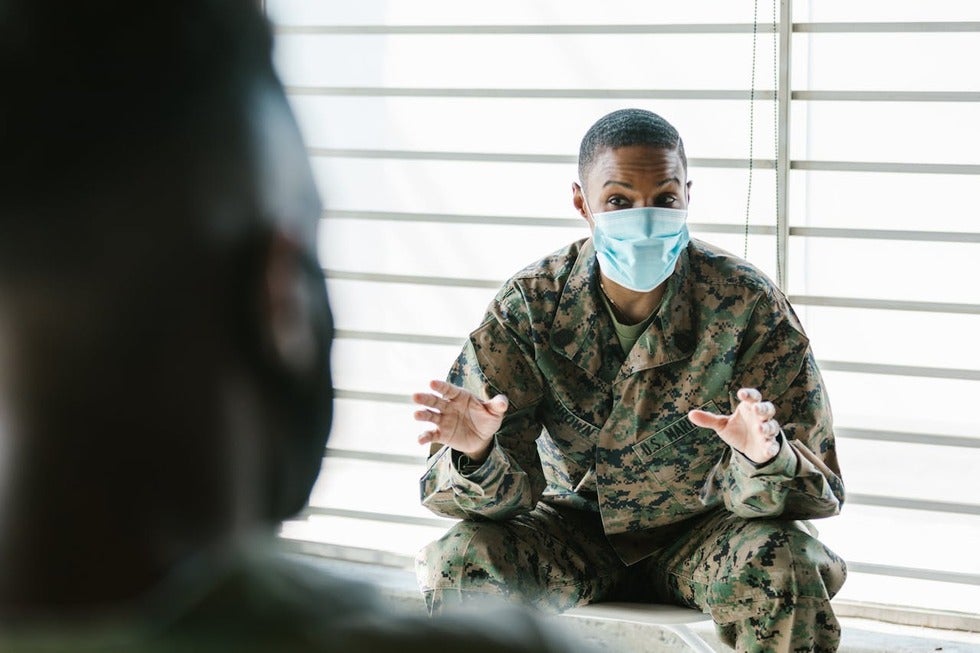
Community Reintegration
Veterans courts are there to get you back into civilian life and keep you there. It's not passive. It propels you towards actions that reconnect you with society, arming you with resources and assistance.
Checklist For Reintegration:
-
Connect with mental health and addiction treatment
-
Access job training or education programs
-
Work with mentors or peer support groups
-
Take part in community service
-
Attend court check-ins and progress reviews
Courts don't go it alone. They partner with community organizations, clinics, and employers. These collaborations signify that you receive not only legal counsel but also access to consistent encouragement, employment opportunities, and social communities that truly create an impact.
When you re-integrate well, society wins as well. You're less likely to be back in court and more likely to be giving back as a productive, engaged citizen.
Restorative Justice
Restorative justice centers provide repair and healing. In veterans courts, this translates to a turn at redemption—via treatment, community service, or an upfront apology.
We're about repairing damage, not just compensating for it. You work with counselors and support teams and sometimes even victims or the community. This assists you in observing the influence of your efforts and re-establishing integrity.
Community participation is robust. Locals get on board, participating in your quest and being accountable. This communal endeavor primes you for enduring transformation and demonstrates to you that you're not isolated.
There are lessons here for courts everywhere. More systems are gradually adopting these concepts, witnessing that true transformation occurs through restoration, not mere retribution.
Measuring True Success
Veterans treatment courts deploy a distinct toolbox from traditional criminal courts to evaluate effectiveness. The benchmarks transcend legal success—they are about long-term transformation in the lives of veteran participants and their communities. You judge the effectiveness of the veterans treatment court system by personal balance, psychological well-being, and post-program outcomes. The following table presents the primary success measures in veterans treatment courts.
|
Metric |
Veterans Court |
Traditional Criminal Court |
|
Recidivism Rates |
<3% to 0% for graduates |
31.7%–50% at 3 years post |
|
Personal Stability |
Higher employment, stable housing |
Limited support |
|
Mental Health |
Reduced PTSD, depression, and substance use |
Rarely addressed |
|
Community Impact |
Lower incarceration costs, safer neighborhoods |
Less pronounced |
Recidivism Rates
Veterans courts have demonstrated that they're able to maintain recidivism rates far lower than those observed in traditional systems. One study revealed that under 3% of veterans in a treatment court program reoffended — some even displayed a 0% rate among graduates. That's a huge decline from the 31.7%-50% rates in other cohorts three years post-program.
This achievement stems from a combination of personalized action plans, frequent check-ins, and powerful accountability. Veterans courts provide therapy, addiction assistance, and peer support – all of which reduce your chances of sliding back into issues. As opposed to the regular courts, which may not get at the underlying causes, the system is designed with the specific needs veterans encounter in mind.
You recognize how important ongoing follow-up and support are to sustaining these low recidivism rates. Continuous tracking means you're not abandoned after completing the program. It prevents forward momentum from sliding and keeps you focused.
Other courts could take notes on these tactics! If more laws investigate these how-tos, you could get results for all.
Personal Stability
Personal stability — stable housing, a good job, daily rhythms — counts as much as avoiding trouble. Veterans courts spend on these essentials. They connect you with housing, programs, job training, and health care. Without these props, it's too easy to revert to old patterns.
There's a clear link: when you have somewhere safe to sleep and a way to earn money, your odds of reoffending drop. Courts that focus on these details experience less recidivism. If you want to create enduring transformation, you require a wide backing base to sustain you once the courtroom drama has subsided.
Community Impact
When veterans thrive, the entire community thrives. You get less crime, and less money spent on prisons. Successful vets return to their families and their jobs, which reinforces the community.
Communities that back these types of programs—whether through local organizations, health clinics, or employment agencies—have a significant role in that cycle. You get a safer, more stable society, and the vets get the opportunity to demonstrate how much they can give.
You can't discount the satisfaction of assisting these veterans in reintegrating into society.
Conclusion
Veterans court provides you with a defined direction tailored specifically to your experience as a serviceman. You receive assistance, not simply regulations. The court team examines your service, your health, and your life. In a veterans court, you meet with people who know what you're facing. You get treatment, not a sentence. You witness an actual transformation because compassion forms every phase. It's a system that works with you, not against you. Your advancement becomes recorded in meaningful ways. You experience results in your life, not just on paper. If you want a court that looks at you, not just your case, see what a veterans court can do for you. Contact a local program or request information from your advocate.
Frequently Asked Questions
1. What Makes Veterans Court Different From Traditional Criminal Court?
Veterans treatment courts focus on rehabilitation rather than punishment, connecting veteran participants to vital treatment and support, unlike traditional criminal court processes.
2. Who Can Participate In Veterans Court?
To qualify for veterans treatment courts, you must be a military veteran facing criminal charges along with a qualifying mental health or substance use issue, as these court programs are not available to just any defendant.
3. How Does Treatment Play A Role In Veterans Court?
In veterans treatment courts, treatment is paramount; rather than jail, veteran participants receive therapy, counseling, and support programs to address root causes and lower recidivism.
4. What Legal Procedures Are Unique To The Veterans Court?
Veterans treatment courts frequently employ a collaborative team model that includes judges, prosecutors, defense attorneys, and case managers. You agree to a treatment plan, regular check-ins, and closely follow court orders.
5. How Is Success Measured In Veterans Court?
We don't just sentence you; instead, we assess your success in the veterans treatment court by your progress in treatment, your likelihood of re-offending, and your completion of the program.
6. Why Do Judges In Veterans Court Have A Different Perspective?
In veterans treatment courts, judges genuinely care about your rehab and recovery, taking into account your service and medical needs while seeking more lasting solutions than mere retribution.
7. What Are The Main Benefits Of Choosing A Veterans Court?
You receive targeted assistance through veterans treatment courts, an opportunity to sidestep incarceration, and support with rehabilitation. The veterans treatment court remakes your life and decreases your chances of future legal issues.
------------------------------------
Take The First Step Toward Healing — Your Future Deserves It
If you're a veteran facing legal trouble, you don't have to go through it alone — and you certainly don't have to settle for a system that doesn't understand your service. Veterans court offers a unique path built on support, treatment, and transformation, not just punishment. Whether you're struggling with PTSD, substance use, or simply readjusting to civilian life, there is a court designed with your experiences in mind. You've already served your country; now let the system serve you — with dignity and compassion.
Discover your legal options with a free strategy session at Gorelick Law Offices. We'll help you understand whether the veterans court is right for you, what your next steps could look like, and how we can guide you toward the outcome you deserve.
Previous Article - Can Veterans Court Help You Avoid Jail Time?
Next Article - What Should You Expect During A Veterans Court Program?

