
Key Takeaways
-
Anticipate veterans court programs that emphasize rehabilitation, not punishment — healing underlying issues like mental health and substance use to help you reintegrate into society.
-
Based on a detailed evaluation of your service record, legal situation, and needs, you could qualify for specialized assistance if you're grappling with PTSD or addiction.
-
Everything is fluid-the program could last a year or more-and you will have to commit to compliance to get the best results.
-
A multidimensional support system — from judges to mentors to treatment providers to lawyers — converges to steer you, providing streamlined support and improving your likelihood of recovery.
-
Individualized treatment plans are developed based on comprehensive needs assessments, adapting as your requirements evolve to address both mental health and substance use concerns effectively.
-
Once you graduate from the program, you've got continued support and resources at your disposal to help you sustain these positive transformations, maintain your recovery, and complete a strong transition back into civilian life.
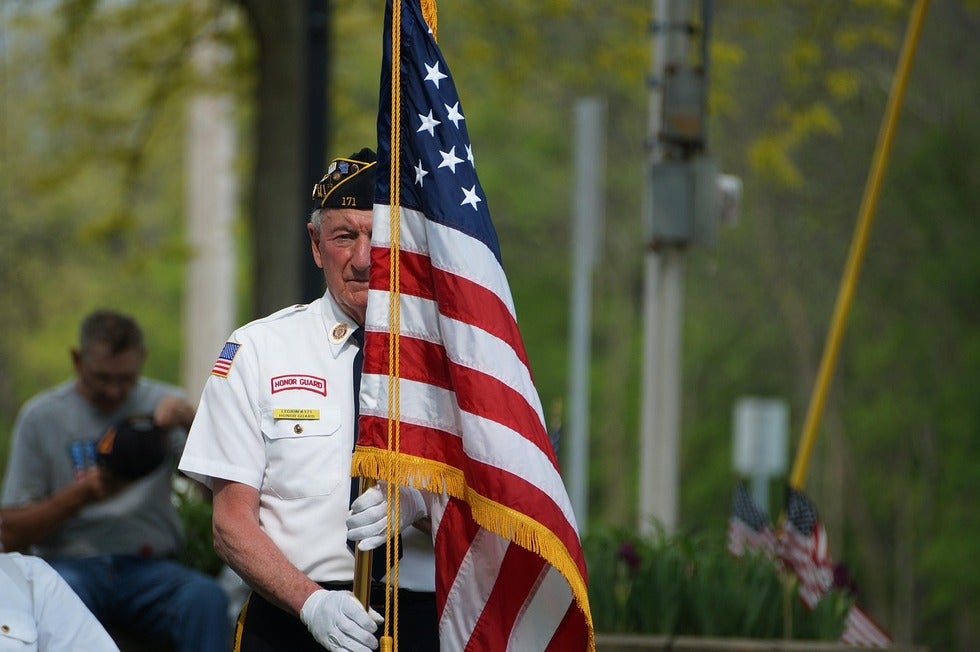
When you enter a veterans court program, what you will find is a clear plan with steps made for you. You'll encounter judges, case managers, and mentors who collaborate with you and assist you in goal setting. You attend group sessions, court check-ins, and skill classes. Your progress is monitored, and you receive feedback along the way. Most assist with employment, medical care, and therapy. The court wants you to stay on track, so you abide by rules like drug tests and meetings. You receive assistance, but you have to remain truthful and adhere to the schedule. Every program is slightly different, but the overarching goal is to assist you in standing up again. The subsections below describe each stage and what you can expect to encounter.
Understanding Veterans Court
Veterans courts are unique courts established to assist former military personnel encountering legal issues. These courts have a special purpose: they want to help you heal, not hurt you. If you're a veteran with mental health issues or substance use disorder, a veterans treatment court program provides you with an opportunity to become well again, not merely serve your time. These veteran treatment courts address your issues post-service and assist in re-entering everyday life.
A Different Mission
Veterans courts are not normal courts; their primary goal is to heal you rather than impose jail time. They provide support for the underlying issues at the core of your case, which could include seeking assistance for mental health disorders or substance use disorder. In a veterans treatment court program, the judge, your lawyer, and the staff work with you, monitoring your progress and shepherding you through appropriate treatment programs. This collaborative approach is crucial, as many veterans face challenges that others may not understand.
If you served in combat, you may have experienced traumatic stress disorder or other mental health issues that affect your daily life. Veterans treatment courts leverage resources to create a personalized plan tailored to your needs, whether that involves therapy, group meetings, or vocational training. For instance, if you have PTSD and are caught committing a minor crime, the court may direct you to addiction treatment instead of jail, offering a path to recovery that traditional courts cannot provide.
Who It Helps
Not all veterans are eligible to access these courts. You have to prove you served, and your issue with the law typically must relate to issues associated with your service, for example, PTSD or addiction. Most courts concentrate on non-violent offenses. That is, if your behavior is the result of difficulties post-service, you get an opportunity to right the ship.
These courts aid veterans with a variety of problems. If you have issues with alcohol, drugs, or anger that result in run-ins with the law, you could qualify. Many in these programs suffer from PTSD or depression. That's where the court steps in to keep you from sliding further. You'll encounter others facing the same situation. This creates a community of people who get you—people who want to see you succeed. For certain courts, they'll match you with a mentor—typically another veteran who completed the program. You buoy each other on the journey.
The Core Goal
The goal of veterans treatment courts is to help you reintegrate into society and live a stable life. Rather than merely being punished, you are taught new methods of coping with stress, a drug-free lifestyle, and being healthy through the veterans treatment court program. These courts want to teach you skills to keep you out of trouble for good while addressing any mental health issues you may face.
A large component of this is preventing recidivism. Veterans courts monitor your advancement, frequently through routine check-ins or drug screening. If you stumble, they intervene immediately. This tight scrutiny implies you cannot simply coast through the program. You've got to work your recovery, but with the support of the veterans court team, you're not in this alone.
Accountability is crucial. You have to hit goals the court gives you, like completing therapy or obtaining employment. If you fulfill these objectives, your charges can be dropped or significantly reduced. This keeps you grounded and provides you with a strong motivation to continue.
The Veterans Court Program Journey
A veterans treatment court program provides you a route that combines judicial processing with treatment, allowing you to progress instead of merely being punished. The veterans courts system prioritizes addiction treatment and recovery over incarceration, and it's been expanding rapidly since its 2009 inception. There are five broad phases you'll experience, with objectives and guidelines for each. Your motivation to remain committed and adhere to the treatment program is crucial throughout. Each step stacks on top of the previous, so your work counts the entire way.
1. Initial Referral
Referrals can come from you, a family member, your lawyer, or the court. Then, every once in a while, a veterans justice outreach worker sees your case and intervenes. You might catch wind of the veterans treatment court program from someone at a hospital or shelter. Early referral gives you a chance at assistance before it spirals. If you move quickly, you invite the possibility of genuine assistance that will prevent you from getting in deeper with the justice system. Time is of the essence because early intervention can interrupt a cycle of destruction, especially in the context of veteran treatment courts. That's why outreach teams try to identify cases as early as possible.
2. Eligibility Screening
To join the veterans treatment court program, you need to meet a set of rules. Veterans with substance use disorder, PTSD, or other mental health issues can apply, even if they have past charges. The veterans court team checks your discharge status—honorable, general, or sometimes other types—and examines the legal problems you face. They look at your service record, medical needs, and criminal history. The screening is not just a checklist; it's a comprehensive review involving your background, test results, and interviews. Understanding your legal issues and military past is crucial, as some charges or types of discharge can affect your eligibility in the program. This phase ensures the fit is right for you and aligns with the program's goals.
3. Program Entry
If you clear screening, you advance to intake in the veterans treatment court program. You'll receive an orientation that outlines what's expected and what assistance you can expect to receive. Staff guide you through regulations, drug testing, and court dates. The schedule is obvious—adhere to the schedule, show up for treatment sessions, and check in with the court. You'll assist in establishing an appropriate treatment program that suits your needs, connecting you with counselors, medical professionals, and peer mentors. Having this plan in place immediately gets you off on the right foot and demonstrates to the court that you're serious about change.
4. Court Appearances
You'll see the judge frequently, sometimes as much as once every two weeks. Each check-in monitors your advancement and keeps you accountable. The judge reviews your reports, drug tests, and treatment progress. These hearings are critical—they keep you honest and provide an opportunity to demonstrate progress. The court utilizes these meetings to counsel you and propel you forward toward your objectives.
Each check-in is short and focused.
You'll get feedback—good or bad—right away.
Missing a court or a test can have quick consequences.
Stay sharp and show up every time.
5. Program Completion
You complete the veterans treatment court program when you achieve all treatment, court, and sobriety objectives. If you make it through the plan, you can get charges dropped or lowered. The veterans court could expunge your record or allow you to proceed with fewer restrictions. Finishing strong means you remained sober, continued in addiction treatment, and followed every rule until the very end.
Your Integrated Support Network
The backbone of the veterans court program is a robust support network. This network unites specialists, peers, and champions who collaborate. They're there to coach, assist, and get you to your destination — be it recovery, steadiness, or a reset. An integrated network may be one secret as to why veterans in these programs — even those from police backgrounds — tend to achieve superior results and greater momentum. With the right team, loneliness and isolation disappear — and in its place comes security and a sense of belonging. The table below outlines the key players who make up your network:
|
Role |
Function |
Example of Support Provided |
|
Judge |
Oversight, progress review |
Feedback, encouragement, structure |
|
Mentor |
Peer guidance, shared experience |
Advice, camaraderie, accountability |
|
Treatment Team |
Clinical care, case management |
Counseling, therapy, and health planning |
|
Legal Team |
Legal advice, advocacy |
Rights protection, court navigation |
|
Family/Peers |
Emotional support, social connection |
Motivation, encouragement, stability |
This team collaborates, not silo's. Every member offers a distinct expertise, but they exchange knowledge and strategize as a group. This method connects you to individualized health services — care that fits you, not a blanket prescription. For many veterans, such teamwork is what makes recovery and change seem possible.
The Judge
Your judge is your lead in your program journey.
Their role isn't just to dictate. Instead, the judge instructs you, checks your work, and provides input along the way. This concentration on assistance, and not simply penalty, is a major component of the court's configuration. The judge's words frequently establish the rhythm, enabling you to witness each milestone achieved—not merely what remains to be accomplished. For many in the program, the judge's candid response to their presentation helps hold them accountable.
Your Mentor
Mentors are often veterans themselves, volunteering to tread alongside you.
They know your experience, because they've lived through it as well. Mentors share their stories, the struggles and the wins, so you don't feel alone. This connection establishes accountability and keeps you honest to your schedule. The mentor's constant support tends to help you more easily claim responsibility for your decisions and break through difficult periods.
A mentor is someone who knows the system and the mad pressures of military life. Their support is actionable and real-world, not theoretical.
The Treatment Team
Treatment teams such as therapists, counselors, and case workers are all trained to manage sophisticated needs.
They craft strategies specifically for you. They can assist with mental health, substance use, or life skills — and they scale their support as your needs evolve. They provide services such as individual and group therapy, and occasionally assistance with employment or housing. With the treatment team, you're not merely a case – you're a human being with a narrative, and your treatment plan expresses that.
They work closely with the legal side, so you don't get crossed communications. They ensure you understand the expectations, encourage your advancement, and honor your victories.
The Legal Team
Legal teams stand by your side in court.
They help you know your rights, the rules, and the process. They don't work solo; your attorney consults with the treatment team as well. This way, your legal plan aligns with your treatment plan.
You can inquire and receive a straightforward response. Having a sense of what's going on makes it less scary.
Legal support helps keep you moving forward, not stuck.
Tailored Treatment Plans
Veterans treatment court programs provide tailored treatment plans built for you, not cookie-cutter answers. These plans leverage continuous evaluation and immediate feedback to tackle mental health issues, addiction treatment, and social stability, constructing roadmaps towards healing, independence, and reduced recidivism. The table outlines key aspects and why personalized treatment matters.
|
Aspect |
Description |
Importance |
|
Needs Assessment |
In-depth review of history, health, and risks |
Sets the baseline for custom plans |
|
Mental Health Support |
Direct access to counseling, therapy, and psychiatric care |
Tackles root causes, improves legal outcomes |
|
Substance Use Treatment |
Access to detox, rehab, and relapse prevention tools |
Reduces the risk of repeated offenses |
|
Plan Adaptability |
Regular check-ins and plan updates |
Keeps treatment relevant as needs change |
|
Case Management |
Ongoing support for housing, employment, and benefits |
Improves life stability and reintegration |
|
Legal Oversight |
Close supervision and progress reporting |
Fosters accountability and quicker course corrections |
Needs Assessment
All veterans go through a thorough needs assessment at the start of the program. This assessment pulls from your personal, social, and medical history, checking for key risk factors and protective traits. It looks at mental health, substance use, trauma exposure, and even family or work circumstances.
The primary objective here is to identify targeted behavioral health or addiction problems. It examines indicators of PTSD, depression, anxiety, or addiction. You could respond to questionnaires, consult with physicians, or fill out established checklists. This assists the team in understanding what you require the most.
Once they get the data in, the court designs a treatment plan around your situation. The plan focuses on your primary risks and utilizes validated interventions. With this foundation, your progress is monitored, and the plan is adjusted as things change.
Mental Health
Tackling mental health is critical for J-k veterans. Many deal with PTSD, traumatic brain injuries, or chronic depression. These impact everyday living and legal issues. VTCs concentrate on these specific challenges, not just the symptoms but the root causes.
You gain access to therapies such as group therapy, individual therapy, and occasionally medication management. Services are typically connected to the VA or community care networks, so you're not abandoned. This was, for instance, a veteran with PTSD who joined a trauma-focused program or an individual with depression who focused on cognitive behavioral therapy. Seeking mental health treatment is associated with improved legal outcomes and fewer recidivisms.
Substance Use
Treating substance use is a main point in most veterans' court programs. Many veterans struggle with alcohol or drug misuse, often tied to service-related trauma or stress. The court program identifies those with substance use disorders in the early needs assessment.
Depending on the severity of your use, you may be referred to detox, inpatient rehab, or outpatient counseling. Medication-assisted treatment can be provided for opioid addiction. Support that takes you through — peer groups, sober living — keeps you from relapsing. Regular check-ins and drug screening underpin the support.
Studies demonstrate that these customized treatment plans assist veterans to remain sober, secure housing, and obtain employment. They connect you to VA benefits, increasing your likelihood of long-term transformation.
Plan Adaptability
Your plan changes as you do.
The VA and court staff meet frequently to monitor your status and exchange updates.
Plans get revised to suit your new needs and aspirations.
This approach keeps your recovery on track.

The Unspoken Contract
The veterans treatment court program is cemented by more than policy; it embodies a sacred, unspoken contract between you and the court. This unwritten agreement influences every stage of your journey and relies on trust, common purpose, and defined obligation. The court expects you to show up, participate, and remain truthful. In return, the veterans court team provides direction, a framework, and the opportunity for a clean slate. If you don't uphold your end, the program's structure will react accordingly. Understanding this unspoken contract is essential to maximizing your time in the treatment court program.
Your Commitment
You are required to own your decisions and behavior from the beginning. The court wants you to take charge of your recovery and development. Personal accountability is not just being there. It's owning yourself and owning your role, owning up when you need assistance, and owning your commitments.
Active participation is not optional. You have to show up for every treatment, court check-in, and group meeting. Missing appointments, flouting court orders, or just winging it is going to set you back. If you must travel or experience an emergency, it's your responsibility to notify the court and your case manager in advance. Every step–be it a group therapy session or a skills workshop–has its place. Your participation not only can accelerate your reintegration but can demonstrate to the court that you mean business.
Full-hearted dedication produces genuine transformation. It can mean the difference between a triumphant reintegration into your community and a battle with regression. The more you invest, the more you receive back in trust, support, and growth.
Program Sanctions
If you don't fulfill the program's requirements, there are actual repercussions. Fail a drug test, miss a session, or break a rule, and you can get a warning, additional assignments, or even some short-term custody. These penalties are not designed to humiliate you. They are there to get you back on track, to learn, to refocus.
Sanctions operate as a system of checks and balances. They force you to own it. If you slip, the court swoops in immediately. It's this process that's clear and predictable, so you always know what to expect. A few sanctions are small, like additional community service. Some are more rigid, like short stints in prison. Regardless of the degree, the objective is to assist you in returning to your path.
Know how the court imposes sanctions. It's an honest and straightforward process. We evaluate every case individually based on its own merits, taking your background and requirements into account.
Program Incentives
-
Reduced supervision or fewer court appearances after consistent progress
-
Public recognition or praise from the judge and team
-
Early graduation for meeting all milestones quickly
-
Access to extra job training or education support
-
Vouchers for transportation or basic needs
-
Certificates of achievement or completion
Positive reinforcement is central to the veterans court program. Incentives reward your hard work and signify milestones. When you witness your progress and receive encouragement from your teammates, you're more likely to persevere. Incentives instill pride, fuel your motivation, and relieve the grind.
These prizes alter the program's tone. Rather than dwelling exclusively on what went wrong, the team can instead rejoice in what goes right. This change in focus assists in carving out a place where trust and respect can flourish.
Life After The Program
Completing a veterans treatment court program isn't just about meeting court obligations—it represents a pivotal transformation in your life. Life after the program involves new routines, ongoing support services, and a pathway to stability, which can significantly impact your recovery and legal standing.
Graduation
Graduation from a veterans court program indicates that you've completed all your obligations and demonstrated significant advancement in your recovery and rehabilitation. It tells them that you've done the internal work to take care of legal and personal issues, like PTSD, TBI, or substance abuse. For many, this landmark is more than just paperwork; it's evidence of tangible transformation and effort.
We celebrate with graduation ceremonies. These will never be huge events, but they matter. Judges, counselors, and peers unite to celebrate your experience. Marking your achievements amongst peers can improve morale and remind you of what a force you became to arrive here.
Recognition at graduation extends beyond the applause. Veterans can experience tangible results—whether that's probation ending early, a felony reduced to a misdemeanor, or charges dismissed. These results can unlock new opportunities, whether they be employment or housing, and mend your standing in your community.
Continued Support
After graduation, you're not on your own. There is support to assist you in maintaining your momentum, such as frequent check-ins with probation officers, ongoing meetings with a VA liaison, and access to mental health or substance use counseling. These supports provide you with a safety net as you transition to life after the program.
Continued behavioral health and substance use assistance is critical, particularly for those with PTSD or related service-connected afflictions. A lot of vets will still have to complete courses of treatment prescribed by their therapists. This can signify weekly therapy, medication management, or group support. Staying on top of these steps is critical for sustained progress and minimizes your propensity to relapse.
Staying plugged in to the veterans community assists. Peer mentors, support groups, and group activities can keep you connected and provide room to share struggles and wins. Persistence instills new habits and reminds you that you're not alone.
A New Beginning
The conclusion of the program is an honest opportunity for a clean slate. With the legal matters in the rear-view mirror or significantly diminished, you can turn your attention toward re-establishing trust with family, employers, and yourself. The skills learned–coping methods for stress, ways to manage triggers, tools for mental health–will serve you in daily life and help with long-term growth.
Reintegration is incremental. Perhaps you go back to work or school, develop new hobbies, or reestablish connections. Each of these stages is simpler with the support and framework you developed during the program. Less risk of reoffending also translates to being able to look toward the future with more optimism and less anxiety.
Staying Connected
Keeping in touch with your support network is crucial.
Community and coaching will carry you through setbacks.
Weekly meetings and group check-ins help keep you on track.
This network is a lifeline, for better and for worse.
Conclusion
You enter the veterans court with a lot of questions. The road forward demands genuine struggle, but you discover a crew in your corner who understands your battle. The program goes at your speed, no cookie-cutter schedule. You develop trust with every check-in, every candid conversation, every specific aim. You track the progress in baby steps. You encounter advisors, counselors, and peers who care. Your decisions define your development. You learn skills that assist in everyday life, not just legal rules. You leave the program with tools to keep moving forward. You can call for support, even once you're gone. To maximize this experience, remain receptive, request what you require, and persevere.
Frequently Asked Questions
1. What Is A Veterans Court Program?
A veterans treatment court program is a legal initiative tailored for veterans involved with the criminal justice system. It emphasizes support, treatment services, and rehabilitation rather than traditional punishment, focusing on the individualized needs of each veteran.
2. Who Can Join A Veterans Court Program?
As a veteran facing legal trouble, you could participate in the veterans treatment court program if you qualify, which considers your service record, type of offense, and readiness to engage in appropriate treatment programs.
3. What Kind Of Support Will I Receive?
You receive an integrated support network, including legal assistance, mental health services, addiction treatment, and mentorship from fellow veterans. The aim is to facilitate your recovery through the veterans treatment court program and reintegration into your community.
4. How Long Does The Veterans Court Program Last?
While the veterans treatment court program length varies, most last between 12 and 24 months, depending on your treatment needs.
5. What Happens If I Do Not Follow The Program Rules?
Sanctions in veterans treatment courts may involve additional treatment sessions, community service, or even exit from the program, emphasizing the importance of adhering to rules for successful rehabilitation.
6. Will My Charges Be Dropped After Completing The Program?
Often, if you complete the veterans treatment court program successfully, it may lead to a reduction or dismissal of your charges. It varies based on your case and local statutes, and your legal team will explain what results are relevant to you.
7. What Are The Benefits After Finishing The Veterans Court Program?
When you get out of veterans treatment courts, you usually come out with better mental health, less legal trouble, and stronger life skills. You'll have more robust backing for your future, steering you clear of additional run-ins with the law.
------------------------------------
Take The First Step Toward Healing—Start With A Conversation That Matters
If you're a veteran facing a misdemeanor charge in California, the road ahead can feel uncertain. But you don't have to navigate it alone. Attorney Lynn Gorelick understands the legal, emotional, and personal dimensions of your situation. With over 38 years of experience and a deep respect for those who've served, she's ready to help you explore whether Veterans Treatment Court or military diversion is right for you. Your service matters—your future does too.
Schedule your free case consultation with Lynn Gorelick today.
Previous Article - How Is Veterans Court Different From Traditional Criminal Court?
Next Article - Why Are Judges Increasingly Referring Veterans To Diversion Programs?

