
Public intoxication should be a low-level minor offense, not a serious crime. California Penal Code Section 647(f) defines public intoxication as a misdemeanor crime. This is true when it comes to the inability to look after oneself or putting others in danger.
In practice, however, the bulk of these cases result in just a citation or short stay at most, rather than incarceration. Otherwise, there is no enduring criminal record for mere public intoxication unless it involves other crimes or is habitual.
Law enforcement in cities like San Francisco or Los Angeles often focuses on safety and public order rather than strict penalties. In the full section, we'll discuss the law itself, how it plays out in the real world, what fines you can expect, and what California communities are doing.
Key Takeaways
-
Like many states, in California, public intoxication is a misdemeanor charge. This seemingly minor offense can lead to costly fines, time in jail, and even a lifelong criminal record.
-
Under California Penal Code Section 647(f), the law must be proven that someone was drunk in a public area. They have to be a threat to their own safety or a danger to other people.
-
Places that are defined as public include sidewalks, streets, parks, or even places with open businesses, so being publicly intoxicated in any of these areas can lead to arrest.
-
There is considerable police discretion in arresting people. The unique factors of each encounter can result in vastly different experiences with police officers.
-
A conviction could seriously impact your job, immigration status, and overall reputation. That's why it's so important to get legal help from Gorelick Law Office and look for alternatives such as diversion programs.
-
Proactive steps—including staying out of trouble in public, knowing your rights, and getting legal assistance—can avoid dangerous long-term impacts.
Public Space Vs. Your Own Place
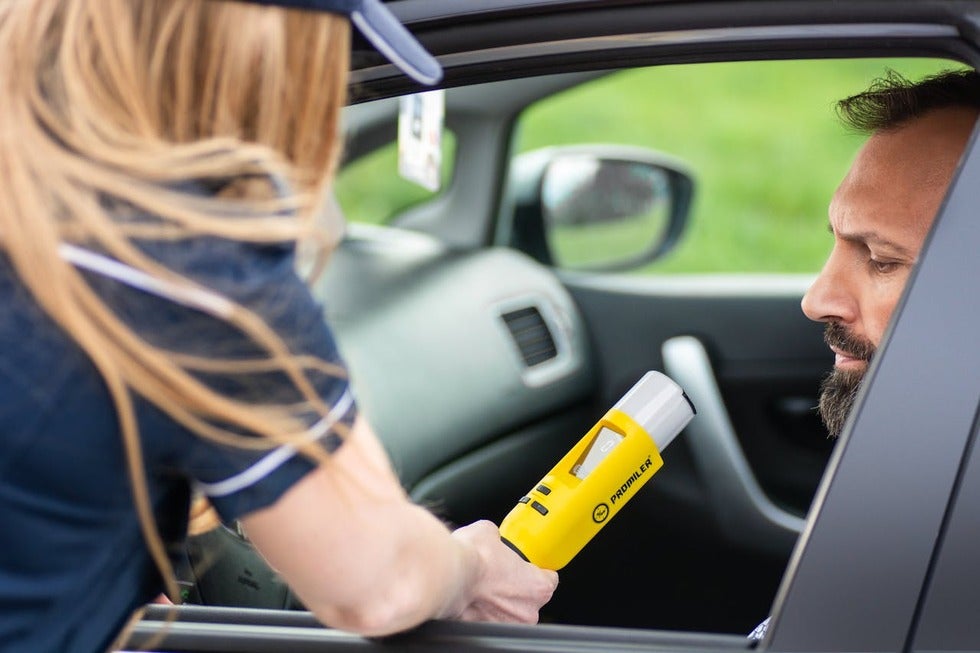
The distinction between being drunk in public versus one's own residence is extremely important under California law, particularly concerning public intoxication cases. A public space in this context is anywhere except your own house—sidewalks, parks, bars, parking lots. The law is clear: if someone is drunk in a public place and cannot take care of themselves or others, or if they block public ways, law enforcement officials can step in.
Dean's case serves as a troubling reminder of the dangers of public consumption. Getting caught intoxicated on a public city sidewalk could lead to a public intoxication conviction, resulting in life-changing legal consequences.
In contrast, getting drunk in your own home isn't a crime for starters. Deana was even drunk in her own home, and there were no public charges pressed simply for being intoxicated. The law protects what you do in the privacy of your own home.
It won't get involved unless you start harming other people or breaking several California laws. Police should respond when loud parties erupt into violence or violate curfew for children, but they will not step in merely because someone is intoxicated.
Can You Be Drunk At Home?
You can be drunk in your own home with very little legal concern. Under California privacy rights, police cannot arrest you in California unless your actions endanger the safety or the peace. If a neighbor complains about a raucous frat party or if kids are in danger, law enforcement can intervene.
The line is drawn at harm, not intoxication.
Police Interactions In Private Residences
The moment police arrive at someone's home, the logic is flipped. They should have to provide a reasonable suspicion or probable cause, or a warrant, to come inside. Simply being intoxicated won't cut it. If there's actual violence or imminent danger, they can act.
They legally can't arrest you for public intoxication if you are in your own home.
Understanding Your Privacy Rights
Privacy at home is considered sacrosanct. Law enforcement should not be allowed to overstep these boundaries unless there is an imminent danger. Only when your conduct infringes upon the rights of others, such as through public drunkenness or intimidating behavior, are those rights curtailed.
How Serious Is A CA Public Intoxication Charge?
Taking a deeper dive into how serious a public intoxication charge in California really is. Most people think that a public intoxication charge is a small mistake. The law considers it a misdemeanor, not just a simple ticket.
We know the legal process can be intimidating, particularly for recent graduates entering their first professional positions. The immediate punishment as well as the lasting effect on one's ability to pursue anybody with long-term aspirations that require a clean background. Below, we break down how the system deals with these charges and what it can mean for someone caught up in it.
1. Misdemeanor Status: Not Just A Ticket
Under California law, public intoxication is a misdemeanor crime – not just an infraction or ticket. An infraction, such as a jaywalking charge or a traffic ticket, typically results in a fine with little further penalty.
A misdemeanor is more serious. The prosecution will need to show that the defendant was intentionally intoxicated. They need to prove that this state endangered themselves or others, or obstructed free passage on public streets.
Turning a public safety violation into a misdemeanor comes with increased police powers to arrest, a required court appearance, and a criminal record. Unlike infraction violations, misdemeanors carry the possibility of jail time and extensive probation terms.
2. Facing Fines And Potential Jail
Though the fine for California public intoxication can be as much as $1,000, the expenses rarely end there. Court fees, legal expenses, and even mandatory alcohol education or treatment programs can propel overall costs even further.
Jail time is a very real possibility, particularly for repeat violators or if the underlying incident involves a level of aggression or dangerousness.
3. The Reality Of The "Drunk Tank"
This is probably meant to be a safe space to house intoxicated people. It's a unique alternative holding space in a local jail or police station, so they can sober up safely. Conditions are austere, and the experience can be humiliating and traumatic.
Unless charges are brought, time spent in protective custody typically is not considered a criminal punishment. Still, if the individual was acting in a hazardous manner, they can be charged.
4. Police Judgment Calls: Arrest Or Let Go?
Law enforcement in California has enormous discretion when it comes to dealing with public intoxication. Officers make case-by-case decisions based on the behavior of the person, the location, and the potential risk to public safety.
Aggressive behavior, risk to others, or being in a sensitive location like near a school or public transit, can tip the scales toward arrest. Officers look at past incidents. Repeat behavior will usually lead to charges.
5. Lasting Effects: More Than A Fine
The consequences of a conviction for public intoxication linger long after any fines have been paid or jail time served. It remains on your criminal record. Conditions of probation may run as long as five years and impact travel, employment, and housing.
Prosecutors can use the charge as a chip for plea deal negotiations. Working with an experienced firm like Gorelick Law Office can help reduce or eliminate long-term damage.
6. How It Affects Job Searches
Nearly all employers in California conduct background checks. A public intoxication misdemeanor can create a red flag in job interviews, especially for roles involving public trust, security clearance, or sensitive data.
Taking steps to expunge your record and being honest during the application process are essential. Gorelick Law Office can assist with record clearance strategies.
7. Immigration Concerns You Should Know
Even misdemeanors can affect immigration status. In some situations, a public intoxication conviction could impact green card renewals or lead to removal proceedings if paired with other offenses.
Immigrants facing these issues should contact Gorelick Law Office for defense strategies and legal support tailored to their immigration situation.
8. California's Approach Vs. Other States
Compared to many other states, California enforces stricter penalties for public intoxication. While some states treat it as a civil matter, California treats it as a criminal offense.
Being aware of these differences is key, especially if you travel frequently or relocate.
Common Situations Triggering Arrests
Public intoxication arrests typically come from routine settings—not just outlandish behavior.
Leaving Bars, Clubs, Or Restaurants
This is the most common context for arrests. Slurred speech, staggering, or being loud can all prompt law enforcement attention. Stay with sober friends and keep a low profile to reduce risks.
Big Events And Increased Patrols
Concerts, games, and street fairs are heavily monitored. Impaired people at these events can be detained more easily. Staying aware and respectful helps avoid trouble.
When Bad Luck Strikes
Sometimes, it's just unfortunate timing. If you or someone you know ends up facing charges unexpectedly, Gorelick Law Office can provide a solid defense and help navigate the complexities of California criminal law.
Fighting Back: Defense Strategies
Public intoxication in California lies at an intersection of moralistic policing, public safety, and personal circumstance. The state's inconsistent approach to every case leads to varying interpretations. Some view it as a criminal act, while others see it differently. The result is always going to be based on the facts and how those are presented to the court.
Understanding strong defense strategies is key for anyone facing these charges, especially given how broad and sometimes vague the law can be. Local courtrooms have seen that the right evidence, clear witness accounts, and Gorelick Law Office can make all the difference. In this series, we'll dive into defense strategies under California law. These strategies, backed by examples from the field, focus on what's most important to people.
Was It Truly A Public Area?
California law defines a “public place” broadly to include any place open to the public. This includes plazas, parks, sidewalks, and sometimes even enclosed malls and parking lots. However, it's not always that cut and dry.
Someone found drunk and passed out in the hall of their apartment building could try to argue that the area is private. Second, they can assert that it isn't truly open to the public at large. In other cases, where criminal prosecution was unable to demonstrate that the space in question was clearly not public, courts have ruled in favor of defendants.
In a similar case in Northern California, the court dismissed the charges. In doing so, they held that a hotel courtyard that is gated off is not a public place as defined by state law. If you're the one charged, examine the specifics of where the incident happened. Object to any overbroad assertions by the state.
Showing You Could Care For Yourself
California's penal code makes it unlawful to be drunk in public only if the intoxication makes someone unable to care for their own safety or the safety of others. By this standard, the prosecution must go beyond merely establishing the presence of alcohol. It needs to show that the intoxication led to a lack of self-care.
Gorelick Law Office often collects evidence that an individual was still able to walk, talk, and answer questions. We may present video from surrounding security cameras or call character witnesses such as friends, family, or bystanders to speak on your ability to care for yourself.
Recently, in Los Angeles, a man was charged with murder after a night out. Police witness testimony contradicted this claim, as bar staff testified that they witnessed him leave the establishment otherwise sound and coherent – only to have police stop him on the sidewalk directly outside moments later. As a result of this apparently damning testimony, he was deemed not a danger to himself or others.
Demonstrating No Public Obstruction
Public intoxication charges often hinge on a person's behavior in public. If an individual's actions lead to public charges, such as preventing pedestrians from using a sidewalk or causing a disturbance, they can be held accountable. However, if the Gorelick Law Office can demonstrate that the individual did not obstruct public pathways or hinder others, it undermines a key element of the case.
An individual peacefully occupying a public space, like a park bench, poses no safety risk to those passing by. This scenario could provide a stronger defense than someone unconscious in the center of a pathway. Evidence such as photos, security camera footage, and statements from bystanders can all support the case.
One case in San Diego made this abundantly clear. The defendant was acquitted at trial after video footage established that she was standing to the side, not blocking any entrance or roadway, and even though she looked pretty loaded.
Challenging Intoxication Evidence
The reliability of police observations and field sobriety tests is not always strong. Gorelick Law Office frequently scrutinizes the methods police use to determine intoxication. Were proper procedures followed? Was there an actual breathalyzer or just subjective observation?
Medical conditions, fatigue, or even nerves can mimic signs of intoxication. In some cases, expert witnesses like toxicologists can review the evidence and testify about flaws or alternative explanations for the results. For instance, a San Francisco case hinged on a breathalyzer that was later found to be uncalibrated, causing the court to throw out the results.
The Involuntary Intoxication Argument
One way a person can be involuntarily intoxicated is when another person spikes their drink. California law does allow “involuntary intoxication” to be a defense. In practical terms, this means proof—blood tests, witness testimony, or even video surveillance—to demonstrate that the intoxication was involuntary.
Many people have won defenses by claiming they were intoxicated after unknowingly taking a drug at a party. As a result, they won dismissal of all their charges—often with help from Gorelick Law Office.
Questioning Police Actions During Arrest
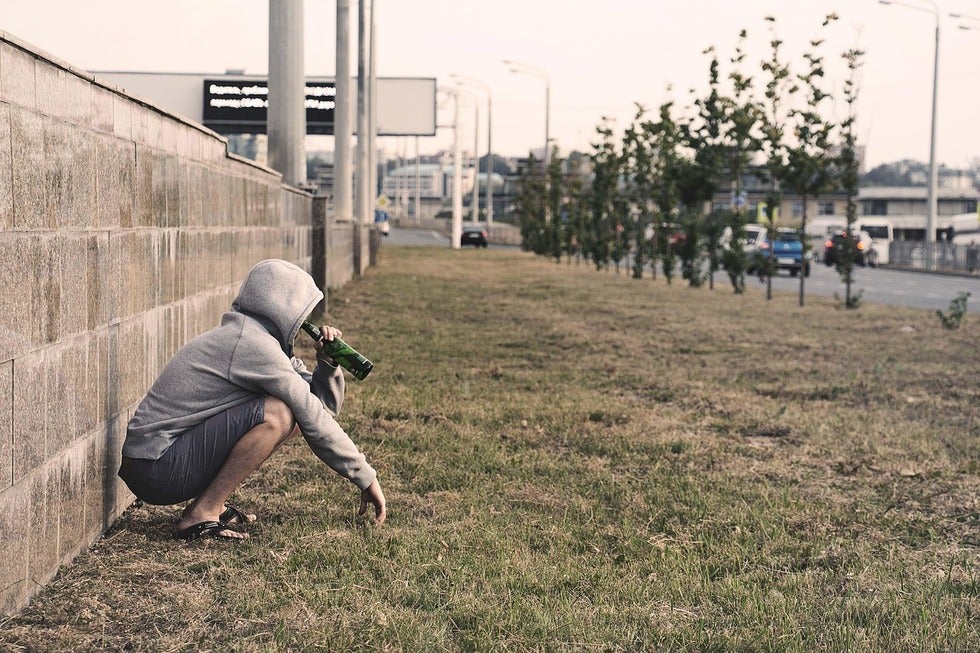
The behavior of law enforcement officials during an arrest significantly impacts the outcome of a public intoxication case. Gorelick Law Office uses body camera footage, arrest reports, and witness statements to identify potential violations. For instance, did the officers have probable cause to detain the intoxicated individual? Were they informed of their legal rights, including the right to remain silent?
If there are indications of unlawful detainment or excessive force, we may advocate for evidence suppression or the dismissal of charges. Documenting all interactions with law enforcement is crucial for building a valid defense.
As seen in numerous California cases, charges have been dropped when it was shown that officers arrested individuals without proper justification or failed to inform them of their rights.
Avoiding Conviction: California Options
In California, public intoxication cases fall under Penal Code §647(f) and can significantly impact an individual's life with lasting records or jail time. However, the legal system provides multiple strong avenues for defense to shield you from a conviction. Gorelick Law Office can help you explore these options.
Exploring Diversion Programs
Diversion programs can be one of the most effective tools for first-time or low-risk offenders. Through fulfilling obligations such as community service or drug awareness programs, individuals are able to bypass a criminal conviction.
These programs vary by county but often include classes and volunteer work. If you complete the terms, the court may dismiss the case. In San Francisco, for example, defendants who complete an alcohol awareness program can have their cases dismissed—something Gorelick Law Office routinely helps clients achieve.
Aiming For Charge Dismissal
Many people similarly situated can avoid conviction by pursuing charge dismissal prior to trial. Gorelick Law Office often contests the intoxication evidence and argues that the individual was not in public at the time.
If no field sobriety tests or witness testimony are available, a judge might accept the request to dismiss the case. That's where we come in, because we understand what evidence is most important. For example, if you have a valid prescription from a doctor, that's a strong defense to certain charges.
Clearing Your Record Through Expungement
If avoidance of conviction fails, expungement provides a way to clear your record. In California, individuals who have served their probation and remained charge-free can petition the court for expungement.
This erases the conviction from most background checks, making it easier to access employment, housing, or education opportunities. Gorelick Law Office can guide you through this process step-by-step.
Related Charges You Might Face
In California, public intoxication is rarely charged in isolation. Related charges like disturbing the peace (Penal Code Section 415 PC), disorderly conduct, or resisting arrest often come into play.
These compounded charges raise the stakes, especially for vulnerable or low-income individuals. Gorelick Law Office evaluates all possible charges and builds a strategic response.
Public Intoxication Is Not DUI
Public intoxication under Penal Code Section 647(f) is distinct from DUI charges under California Vehicle Code Section 23152. You don't have to be driving to be charged with public intoxication—but the penalties and defenses differ significantly. Gorelick Law Office helps you understand exactly which charges you're facing and how best to fight them.
Disturbing The Peace Connections
If your conduct while intoxicated disturbs others or triggers police involvement, you could be charged with both public intoxication and disturbing the peace. These overlapping charges can carry bigger consequences. We at Gorelick Law Office help disentangle these and fight for reduced or dropped charges.
Why Get A Lawyer? It Matters
A public intoxication charge might seem minor, but it can escalate quickly. Gorelick Law Office ensures that you know what to expect and aggressively defends your rights. We look for flaws in the prosecution's case and push for better outcomes, from reduced penalties to outright dismissal.
Making Sense Of Court Procedures
From arraignment to sentencing, the legal process is full of terms and steps that can be confusing. For example, the interpretation of “public place” or “willful” intoxication may determine whether your case holds up in court. Gorelick Law Office will walk you through each stage, explaining your rights and advocating on your behalf.
Protecting Your Record And Future
A conviction affects more than just your finances—it affects employment, housing, and even immigration status. Gorelick Law Office can help you seek alternatives like treatment or community service and later work to expunge your record.
Achieving A Better Legal Result
A smart, experienced legal team knows how to spot weak points in a case. Gorelick Law Office takes a proactive, hands-on approach to get charges reduced or dismissed and minimize the long-term effects on your life.
Final Remarks
Public intoxication in California may be a misdemeanor, but it comes with serious consequences. You don't need a specific BAC level to be arrested—just questionable behavior. If you're charged, having Gorelick Law Office on your side can relieve a lot of anxiety and give you the best shot at a better outcome. Interested in learning more about public intoxication charges? Hit us up with a question in the comments below or by email.
Frequently Asked Questions
1. Is Public Intoxication A Misdemeanor Or Felony In California?
In California, public intoxication is typically classified as a misdemeanor offense, unless there are additional serious crimes involved, which could lead to felony charges.
2. Can You Get Jail Time For Public Intoxication In California?
A public intoxication case can result in a first offense conviction landing you in county jail for up to six months, though most public intoxication cases are resolved with a monetary fine or probation.
3. Can Police Arrest You For Just Being Drunk In Public?
Police must have reasonable grounds to believe that an intoxicated individual poses a danger to themselves or others, not just that they are drunk.
4. Is Public Intoxication Treated Differently From DUI In California?
Yes. A public intoxication case is a misdemeanor offense, whereas a DUI charge typically represents a more serious criminal offense, as it involves operating a vehicle while in an intoxicated state.
5. Should I Hire A Lawyer For A Public Intoxication Charge?
Yes. A skilled defense attorney specializing in public intoxication cases will work vigorously on your behalf to contest the charge, prevent a conviction, or obtain a lesser punishment.
------------------------------------
Charged With Public Intoxication In California? Take Back Control Of Your Future
A single charge. A single night. And suddenly, everything feels like it's spinning out of control. If you've been accused of public intoxication in California, the stress, confusion, and fear can be overwhelming. Will this go on your record? Could it affect your job or your future? You're not alone—and you don't have to face this alone.
At Gorelick Law Office, we know that one misstep shouldn't define your entire life. With more than 30 years of criminal defense experience, Lynn Gorelick has helped countless individuals in your situation take back control and move forward with confidence. We don't judge—we defend your rights, protect your reputation, and fight for your future.
This isn't just about getting through a legal process. It's about giving you the guidance, support, and powerful legal strategy you need to face the system head-on—and come out stronger. From breaking down your charges to building a tailored defense, we'll be by your side every step of the way.
Don't let one moment derail your future. Contact Gorelick Law Office today for a free consultation. The sooner we begin, the stronger your defense can be.
You deserve clarity. You deserve support. You deserve a second chance. Let's fight for it—together.
Disclaimer
The materials available on this website are for informational and entertainment purposes only and are not intended to provide legal advice. You should contact your attorney for advice concerning any particular issue or problem. You should not act or refrain from acting based on any content included in this site without seeking legal or other professional advice. The information presented on this website may reflect only some current legal developments. No action should be taken based on the information on this website. We disclaim all liability concerning actions taken or not taken based on any or all of the contents of this site to the fullest extent permitted by law.


