
Key Takeaways
-
You see, field sobriety tests are intended to gauge impairment by measuring physical, cognitive, and behavioral signs, and their results frequently serve as grounds for DUI charges.
-
They look for involuntary eye movements, divided attention, balance and coordination, ability to follow instructions, and non-standardized signs like slurred speech or odor using both standardized methods and subjective observations.
-
There are many reasons that can disqualify test results, such as medical conditions impacting coordination, environmental factors such as poor lighting or uneven ground, and errors made by officers conducting the tests.
-
You should be aware of the human factor in these tests, as officer interpretation and possible bias or stress can affect the test as it's administered and scored.
-
You can refuse field sobriety tests in most states and provinces, but know the legal consequences and always make a record of the process or rights violations during a roadside stop.
-
If you want to challenge sobriety test results, collect your supporting evidence, find an experienced lawyer, and focus your defense carefully, reviewing the actual circumstances and the procedures of your test.
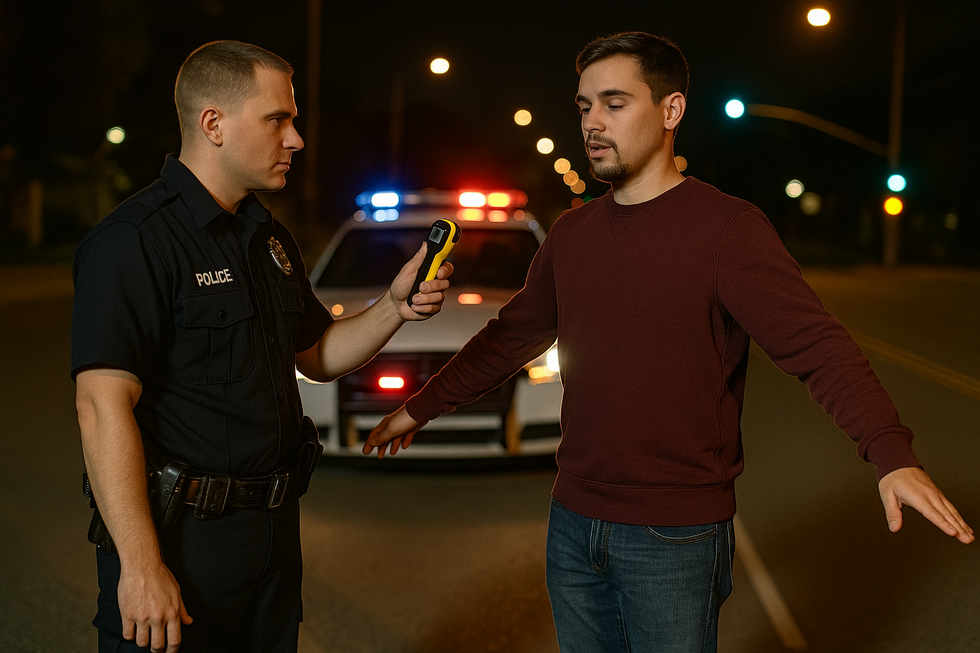
In field sobriety tests, cops look for indicators of impairment by observing how you move, balance, and obey commands. They'll ask you to walk in a straight line, stand on one leg, or follow a pen with your eyes. They're watching for missed steps, swaying, trouble maintaining balance, and adherence to verbal cues. Little errors or jitters creep into these tests, though, and sometimes health or stress are the culprits. You have the right to question and discuss your concerns if you believe the test was unjust. Knowing what police look for and how to bring up mistakes gives you a fighting chance if you need to challenge the results.
The Purpose Of Sobriety Tests
Sobriety tests serve one main goal: to find out if you might be driving while drunk or on drugs. Police employ these standardized field sobriety tests to examine your cognitive and physical abilities at the moment. They want to check if you can maintain balance, move with control, or follow simple steps. They're not about obtaining your precise blood alcohol level. Instead, they demonstrate whether your behavior or movements appear abnormal or dangerous.
These tests, such as walking in a straight line or standing on one foot, concentrate on abilities that the majority of us can perform if we're sober. If you trip, stagger, or forget the steps, these are indications to law enforcement officers that you might be impaired. Cops log every little thing you mess up. Any stumble or hesitation, or misstep, can go into their dossier. They use these notes to determine whether or not to arrest you. This documentation can be used as court evidence if you are charged with a DUI case.
The primary purpose of these tests from the police perspective is to ensure that our public roads remain safe for all users. They serve as a sieve, identifying motorists who may threaten other people. Some folks believe these tests to be ideal. It's not. Several factors can impact your performance on these tests, including medical conditions, fatigue, anxiety, or even your footwear. There is a known margin of error in the tests, up to 20% in some cases. This is to say, not all bad outcomes signify that you're drunk or high.
If you refuse to take a sobriety test, you can lose your license or suffer other consequences, even if you're not being charged with a criminal offense. Still, you can contest the outcome of these tests down the road, particularly if it wasn't administered properly or you have a reason—such as a medical condition—that made you falter. Officers have to follow rigid rules, and if they don't, you may have a rock-solid case in court.
What Police Look For In Sobriety Tests
Field sobriety tests, including the horizontal gaze nystagmus test and other standardized field sobriety tests, attempt to identify both physical and mental indicators of alcohol impairment. They rely on a combination of standardized and non-standardized cues, paying particular attention to your eyes, balance, coordination, and ability to follow instructions. They're looking to determine if the booze or whatever is making your mind or body sluggish. These tests are not consistent everywhere, but the primary checks are very much alike.
1. Involuntary Eye Jerks
One key exam in standardized field sobriety tests is the horizontal gaze nystagmus (HGN) test. During this assessment, law enforcement officers have you track a moving object with your eyes, such as a pen. They look for three main clues: if your eye cannot track smoothly, if your eye jerks at the far edge, and if that jerking starts before your eye moves 45 degrees to the side. These involuntary jerks, known as nystagmus, become more pronounced with higher blood alcohol concentration. If your eyes jerk at less than 45 degrees, it indicates potential intoxication, and any unusual eye movement is recorded in their report.
2. Divided Attention
These standardized field sobriety tests require you to do two things at once, such as balancing and counting out loud, which police officers often ask. This tests your ability to divide your focus, a task that becomes difficult when you're dealing with alcohol impairment. Law enforcement observes how quickly you respond, whether you become disoriented, or if you omit sections of the task. For instance, during the walk-and-turn test, you must walk nine steps heel-to-toe, pivot, and walk back. Signs of trouble with divided attention include losing balance, using your arms, or launching too soon, which can indicate potential intoxication.
3. Balance And Coordination
Of course, balance is checked in the standardized field sobriety tests, such as the one-leg standing and walk-and-turn tests. For the one-leg stand, you must raise one foot roughly 15 centimeters (six inches) off the ground and count out loud for 30 seconds. During these field sobriety assessments, police look for four main signs: swaying, using arms to balance, hopping, or putting your foot down. In the walk-and-turn, they observe whether you're able to maintain your balance, touch heel-to-toe, and take the appropriate number of steps. Not looking at your foot or failing to count are also clues. They record any falter or indication that you can't remain balanced.
4. Following Instructions
During the standardized field sobriety test, law enforcement officers assess whether you can hear and obey their verbal instructions. If you begin before instructed, omit a step, or can't follow, it may indicate alcohol impairment. Mishearing or skipping steps during this roadside test can be a reliable indicator of potential intoxication.
5. Non-Standardized Cues
During a traffic stop, police will look for signs of alcohol impairment that go beyond the standard field sobriety test. Symptoms such as slurred speech or an unusual demeanor can be recorded as potential signs of intoxication. If you appear disoriented or overly serene, these observations could impact your DUI case, as they contribute to the overall assessment of your sobriety.
The Human Element: Beyond The Manual
There's always human judgment involved in standardized field sobriety tests. Police officers don't just rely on a manual—they draw on what they see, hear, and sense in the moment. This implies that your result can be influenced by how an officer interprets your body language, speech, and response time. The manuals for these tests have been updated a dozen times or so, most recently in late 2015. These changes move the benchmarks, but a real-life test still boils down to the cop's perspective.
Bias and misreads can occur during field sobriety assessments. Officers are human, and they make judgments quickly—sometimes even before an exam begins. Certain specifics in the training, such as a cautionary paragraph from a 2006 manual, were subsequently eliminated. New trainees may not receive as much warning about tripping. It was at a critical 1981 study, however, that “divided attention” scoring was introduced into the process. This additional scoring altered how officers view your capacity to concentrate, juggle, and implement all at once. The problem is, all this shifting occurred during the study, so the eventual test may not be quite as robust as you'd like.
Training and experience count for a lot in the context of the horizontal gaze nystagmus test. Some officers have years of practice, while others don't. Manuals and courses can establish a baseline, but genuine ability develops from hours in the trenches. I still argue, for instance, that practice makes you good at detecting the difference between nerves and genuine signs of impairment. A lot of the world believes you have to take these exams, but most countries make them optional. You can decline. You won't necessarily get jailed for denying, but police won't say that.
Stress and external elements impact you as well as the officer. Bad weather, bad light, noisy roads, or uneven ground will all bias test results. Early experiments from the 1970s and 1980s laid the foundation for what we observe today. They were conducted in controlled environments that do not align with real life. It's fewer people in studies with such alcohol levels, which shifts what those results mean today. Critics argue that these tests may not be as reliable as some assume, and research continues to question whether they are accurate or fair across all populations.
Factors That Invalidate Test Results
Field sobriety test results, such as the horizontal gaze nystagmus test, are sometimes flawed. Factors ranging from your health to the testing conditions can potentially invalidate your results. Understanding these variables is crucial if you ever need to contest the findings.
-
External factors – rain, sun glare, or poor lighting – these can change your performance on tests like a Walk-and-Turn or One-Leg Stand. Even bright headlights or uneven ground can upset balance and coordination.
-
Operator error is common. If the officer provides ambiguous instructions or omits portions of the standardized protocol, your results might not be valid. Simply not timing you right or not explaining the procedure can lead to errors.
-
Medical issues—such as inner ear infections, neurological disorders, or even just tiredness—can imitate indications of impairment. These ailments can affect your capacity to execute balance and coordination tests.
-
Factor 5 — Violations of standardized test protocols or other procedural errors usually invalidate test results. If video evidence demonstrates that the officer deviated from protocol or acted on prejudice, this can render the results invalid.
-
Physical limitations—one leg shorter than the other, back or leg pain, obesity, or age—impact test performance. As much as 20% of the time, field sobriety test results can be compromised by these factors.
Medical Conditions
-
Inner ear problems (vestibular disorders)
-
Neurological disorders (like multiple sclerosis)
-
Diabetes (low blood sugar episodes)
-
Musculoskeletal impairments
-
Anxiety or panic attacks
Some medications can induce slurred speech, tremors, or dizziness—signs commonly confused with alcohol impairment. Pre-existing balance disorders, such as those from arthritis or a leg injury, can exaggerate results during standardized field sobriety tests, like the horizontal gaze nystagmus test, potentially affecting performance and questioning the test's validity.
Environmental Factors
|
Factor |
Impact on Test Performance |
|
Rain |
Slippery surface, reduced stability |
|
Sun glare |
Distraction, impaired vision |
|
Headlights |
Visual confusion, increased anxiety |
|
Uneven ground |
Difficulty balancing, missteps |
|
Poor lighting |
Hard to see lines or follow cues |
Bad lighting and rough ground can complicate standardized field sobriety tests, making it difficult to keep your balance or walk a straight line. Additionally, adverse weather conditions like rain or wind can increase the likelihood of a false positive during these roadside tests.
Officer Error
-
Incomplete or unclear instructions
-
Not timing steps or tasks accurately
-
Failing to demonstrate test steps
-
Skipping standardized procedures
If the officer employs improper technique during the field sobriety test, particularly the horizontal gaze nystagmus test, your results are invalid. Video evidence can expose these errors, showing whether the officer's directions were ambiguous or their decision-making tainted by bias, impacting the legal process.
Procedural Violations
Test not by the book. That's a warning sign.
Missed timing or skipped steps? Document it.
Video proof of errors? Essential.
Clear violations? Challenge the results.
Your Legal Rights During Testing
You have an absolute right to refuse standardized field sobriety tests. No statute requires you to walk a line, stand on one leg, or track a pen. While police might imply you must comply, you can refuse without facing immediate penalty or incarceration. However, be aware that declining field sobriety assessments could arouse suspicion or lead to other types of testing. In most states, these tests are voluntary, and you can politely decline. For instance, if an officer pulls you over and requests a test, simply saying no is an option. This refusal cannot typically be taken as evidence of guilt in most legal systems.
The rules change when it comes to chemical tests such as breath, blood, or urine. If you decline a breathalyzer or chemical test, you may face a one-year license suspension even if you aren't convicted of DUI. This consequence is common in jurisdictions where implied consent laws are in effect. By obtaining a driver's license, you consent by statute to submit to these tests upon request. Police can interpret your refusal as evidence against you in court, which is significant in DUI cases.
Understanding your legal rights when pulled over for a DUI is crucial. Officers are required to inform you why you were stopped and what you are being asked to do, among other strict guidelines they must follow. If you don't understand their instructions, don't hesitate to ask for clarification. If you feel your rights are being violated—such as being coerced into testing or not being informed of the consequences of refusal—immediately document what occurred. Note the time, location, and details, as this information will be beneficial for your DUI defense attorney later on.
Even if you fail a field sobriety test, you can still mount a defense. Errors can occur during the test. Perhaps the officer didn't explain it properly, the ground was uneven, or your medical condition affected your balance. Experienced lawyers often challenge how these tests were administered or question their fairness. Courts have dismissed charges when errors or biases were proven, emphasizing the importance of a robust legal defense in DUI situations.
How To Challenge Test Results
Field sobriety tests, including the horizontal gaze nystagmus test, are used by police to determine impairment, but they are not infallible. You can challenge the results if you believe them inaccurate or unjust. Knowing what to look for and how to prepare can assist you in building a strong defense against DUI cases.
First, collect any evidence you can. Dashcam footage, for instance, can demonstrate how the test was conducted and what the conditions were during the roadside test. Photos or footage can show that the ground was uneven or that it was raining. Such evidence can assist in demonstrating that the test was unfair or that environmental factors influenced the result.
A lawyer who understands the legal process can identify errors or vulnerabilities in the administration of standardized field sobriety tests. For instance, if the police didn't read your rights or didn't have a reasonable basis to pull you over, this can invalidate the results. You'll want someone who reviews everything and identifies what steps the cops skipped during the field sobriety assessments.
Analyze it critically for procedural errors. There are three common grounds for challenging test results: due process, test administration, and test validity. One reason is that the police don't read you your Miranda rights. Another is if they didn't have a good basis to stop you initially. If the officer did not administer the test in the usual manner—e.g., failing to provide instructions or failing to allow you to ask questions—this may be grounds for challenging the standardized test.
Think about yourself and your environment. Physical boundaries, sickness, or just feeling overwhelmed can influence your performance on the standard field sobriety test. If you're sick or the test was performed in dim lighting or on an incline, these reasons can justify why the results may not be valid. A lot of people get nervous when stopped by police, and this alone can lead to errors in the test.
Make a strong legal argument. Your DUI defense attorney can assist you in collecting all the proof, consulting any witnesses, and strategizing how to present your side in court. Every point matters, so be sure to address them all to strengthen your case against the prosecution.
Conclusion
Field sobriety tests force you to demonstrate balance, concentration, and perform simple tasks. Police look for things like unsteady movement, missed steps, or confusion. These indicators typically manifest in basic tasks such as walking heel-to-toe or sustaining a lifted foot. Stress, health, or bad weather can affect how you perform these tests. Your rights provide you with a decent chance, and you can battle flimsy test results. A lot of people use expert assistance to see if cops screwed up or overlooked critical information. The best way to stand up for yourself is to keep your cool, know your rights, and get the proper assistance. If you want to learn more or need tips, contact us and get advice for your needs.
Frequently Asked Questions
1. What Are Field Sobriety Tests?
Field sobriety tests, including the horizontal gaze nystagmus test and the leg stand test, are physical and cognitive challenges that law enforcement officers use to determine if a suspect may be under the influence of alcohol or drugs.
2. What Do Police Look For During Sobriety Tests?
They observe for errors, slowness, or befuddlement, which are potential indicators of alcohol impairment during the field sobriety test.
3. Can Medical Conditions Affect Sobriety Test Results?
Yes. Medical issues such as inner ear problems, injuries, or neurological conditions can affect your balance and movement, resembling signs of alcohol impairment during a field sobriety test.
4. Can You Refuse A Field Sobriety Test?
In most states, you can refuse standardized field sobriety tests, but refusal can carry penalties such as fines or license suspension, so always know the laws in your jurisdiction.
5. How Can You Challenge Field Sobriety Test Results?
You can dispute test results from standardized field sobriety tests by demonstrating they weren't administered properly or that health, weather, or road conditions influenced your performance. Legal representation is essential to help you construct your case.
6. Are Field Sobriety Tests Always Accurate?
No. The standardized field sobriety tests are subjective and can be influenced by stress, exhaustion, or anxiety, potentially affecting their reliability as indicators of alcohol impairment.
7. What Should You Do If You Are Asked To Take A Sobriety Test?
Remain calm and be respectful during a traffic stop. Understand your rights regarding the standardized field sobriety test. If you feel confused, consult an experienced DUI defense attorney immediately.
------------------------------------
Let's Protect Your Future. Contact Gorelick Law Office Today.
If you believe your field sobriety test results were flawed or unfair, don't leave your future up to guesswork or biased procedures. At Gorelick Law Office, we specialize in identifying errors in DUI cases—whether they stem from officer mistakes, environmental factors, or your medical history. Lynn Gorelick brings decades of experience challenging field sobriety assessments and upholding the rights of individuals facing DUI charges. Don't let one roadside moment define your future. Reach out today to schedule a confidential consultation and get the experienced legal defense you deserve.
Schedule Your Consultation!
Disclaimer
The materials available on this website are for informational and entertainment purposes only and are not intended to provide legal advice. You should consult your attorney for advice on any specific issue or problem. You should not act or refrain from acting based on any content included in this site without seeking legal or other professional advice. The information presented on this website may reflect only some current legal developments. No action should be taken based on the information on this website. We disclaim all liability concerning actions taken or not taken based on any or all of the contents of this site to the fullest extent permitted by law.
Previous Article - What Are The Top Defenses For High BAC Readings?
Next Article - What Should You Know About Preliminary Alcohol Screening (PAS) Devices?

