
Key Takeaways
-
You can bolster your defense for high BAC readings by scrutinizing the reliability and upkeep of breathalyzer devices and the expertise of the officers administering them.
-
Procedural errors, such as an improper traffic stop or failure to follow legal procedure, may assist you in knocking out some or all of the prosecution's case.
-
Taking your particular physiology into account — your metabolism, your weight, and medical conditions — can help you present plausible reasons for high BAC readings.
-
By demonstrating how environmental contamination and timing discrepancies skew BAC readings, you can undermine the reliability of test results in court.
-
Arming yourself with qualified expert witnesses, from forensic toxicologists to accident reconstructionists, gives you authoritative ammunition to fight BAC evidence and illuminate confusing science.
-
Knowing what other levers are available — like plea deal negotiations or diversion programs — provides you with more options to combat charges and reduce penalties if you're up against a high BAC reading.
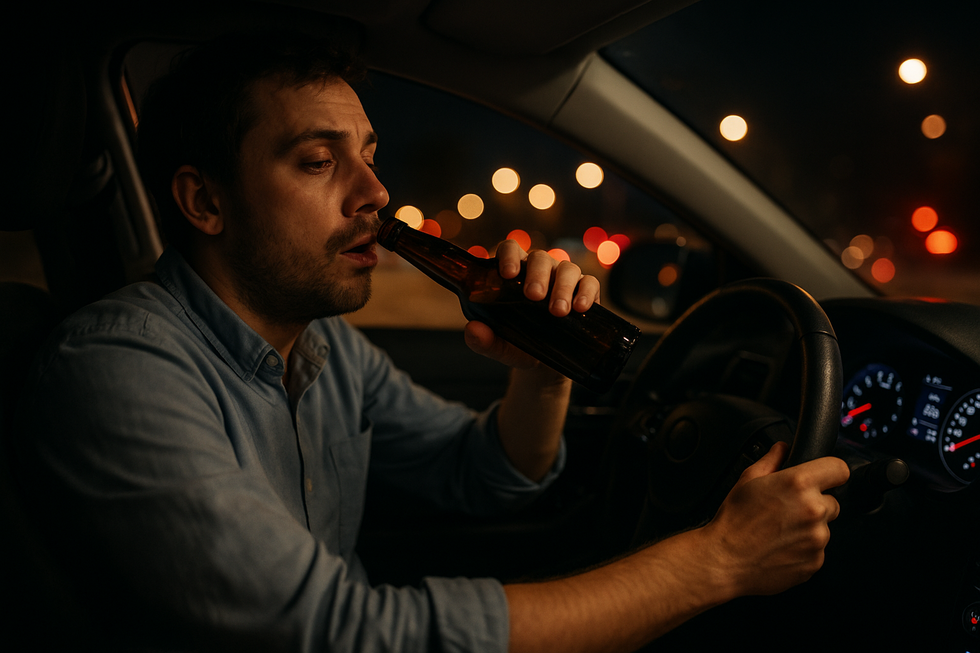
Your best defense for high BAC readings includes challenging the accuracy of the testing device, the procedure, and providing proof of any external factors. Or that breathalyzer machines can result in erroneous high readings if they're not properly calibrated or if a user otherwise mishandles the device. Medical conditions such as acid reflux or diabetes can throw off results, as they alter the composition of your breath. Police officers have a very specific process they must follow when they take and handle samples, so even a small error can render the reading untrustworthy. For defendants in dire straits, these defenses can help clarify or reduce BAC readings. Over the next several paragraphs, we'll discuss each defense and how it might apply to your case.
Top Defenses For High BAC
Defending against high BAC readings necessitates a careful examination of the entire DUI investigation, including how breathalyzer tests are conducted and factors that may influence the results. Understanding the primary ingredients that bias BAC tests enables you to build a robust DUI defense.
1. Equipment Issues
Breathalyzers require rigorous maintenance and frequent calibration to function properly. If the device used on you hadn't been recently calibrated or had missing maintenance records, it casts doubt on the results.
You want to see if the device had any known defects–perhaps a sensor was malfunctioning, or it had a history of false positives. If the officer who tested you was not fully trained or had no up-to-date certificate, this can be challenged. Sometimes the officer just doesn't do the right things, such as waiting the entire observation period, or employing the proper test sequence. If you notice any holes in the breathalyzer process, it's a crucial point to bring up.
2. Procedural Errors
Whether the stop was legal or not goes a long way. If you were stopped without cause or if police didn't adhere to protocol, the test results may not stand.
Check if the cop provided you with an appropriate field sobriety test — these tests are error-prone. Miranda rights must be administered – if not, your statements could be challenged. Skipping steps in the arrest, such as not reading your rights or not observing you before testing, could break the case against you.
3. Physiological Factors
These factors vary depending on your age, weight, metabolism, and body composition. Two individuals can consume the same amount and have drastically different BACs.
EATING BEFORE DRINKING can delay how fast alcohol enters your blood, and WAITING TO URINATE for hours after drinking can shove BAC even higher than it was while driving. Certain ailments—such as diabetes or certain restrictive diets—can increase acetone in your breath, which can lead to a false high reading. These personal factors allow you to demonstrate that the BAC may not align with your actual level of impairment.
4. Environmental Contamination
Sometimes things like mouthwash, breath sprays, or even recent smoking can make the breathalyzer pick up more alcohol than is truly in your system.
Strong fumes, new paint, or some cleaners in the test area can cause false positives. Weather is a factor as well. Extreme heat or humidity can interfere with device precision. They are actual instances where these things generated false accusations.
|
Factor |
Possible Impact on BAC Reading |
|
Mouth alcohol |
Inflated BAC result |
|
Environmental fumes |
False positives |
|
Device calibration |
Unreliable readings |
|
Operator error |
Invalid or inconsistent results |
5. Timing Discrepancies
The period from your last drink to the test is crucial. Alcohol can continue to increase in your blood for up to three hours post-consumption; therefore, a ‘rising BAC defense' may be effective if you were tested significantly after drinking.
Stop to test delays mean BACs; don't represent your level while driving. Maintaining a clear timeline of what occurred aids in demonstrating whether the BAC reading was an accurate representation of your actual condition.
Challenging The Evidence Chain
When examining elevated BACs in DUIs, the journey from arrest to courtroom is as crucial as the figures themselves. The chain of custody is the bare minimum required for a solid DUI defense — without it, your test result holds little value. It is essential to ensure that each hand-off, from the officer who collects the sample to the lab technician who processes the test, is documented and executed correctly. Any break in this chain, such as an expired preservative in a blood tube or a sample left out at room temperature for too long, can compromise the outcome. Below is a simple breakdown of the chain of custody steps and why each one is significant to your DUI defense lawyer.
|
Step |
Purpose |
Why it matters |
|
Collection |
Get the sample from you |
Start the evidence trail |
|
Label and seal |
Mark and seal the sample |
Stops mix-ups and tampering |
|
Log and hand-off |
Record who gets the sample and when |
Proves no gaps or lost evidence |
|
Storage |
Keep the sample in the right place and temperature |
Stops spoilage or contamination |
|
Testing |
Use trained staff and the right procedures |
Keeps the science sound |
|
Record keeping |
Track every step in detail |
Let you spot errors or bad practice |
The prosecution needs a pristine chain. If it's not, you can push for a dismissal. You want to inquire whether the individual who processed your sample had the expertise and education, untrained personnel, bad lab maintenance, or a malfunctioning device can all render the results worthless. If the BAC sample was a breath test, verify that the officer observed the 15-minute waiting period. Skipped this step? It could be off, particularly if you burped or have acid reflux. Many have won their case simply by demonstrating the officer didn't do this.
Medical and dietary factors can also skew test results. For instance, fasting, consuming excessive protein, or having diabetes can lead your body to produce alcohol-like substances that register on a BAC test. Moreover, field sobriety tests can be unreliable; if you have a bad knee or feel anxious around law enforcement, your performance may be worse than it truly is. The officer's ability to conduct these tests plays a critical role.
Finally, if the stop wasn't based on sound legal grounds, then all the evidence could get thrown out. Each link in the chain, from the first stop to lab work, provides you with a place to identify mistakes or weak links.
Breath VS. Blood VS. Urine
When confronted with a high BAC reading, understanding how breath, blood, and urine tests operate can significantly alter the trajectory of your DUI case. Each test has its strengths and pitfalls, and your DUI defense may depend on technical details that are easy to miss if you don't know how to look for them. Having an experienced DUI lawyer can help you navigate these complexities effectively.
Breath tests are the most popular among law enforcement. They employ infrared spectroscopy or fuel cell technology-based tools to determine the alcohol in your breath. These tests are fast, but can be disrupted by mouth alcohol, recent belching, or even certain foods. That's why you need to wait at least 20 minutes before the breath alcohol test, avoiding any food, drink, or smoke. Devices must be maintained and operated properly—most jurisdictions impose stringent regulations on this. Minor errors can lead to major differences in the outcome. An experienced DUI attorney could identify upwards of 50 potential mistakes in this procedure when the outcome is 0.08% or more.
Blood tests provide a more direct measurement of your blood alcohol level. This test is generally considered better for establishing impairment, but it's less commonly used in DUI investigations. Police need probable cause to request blood, and not every jurisdiction has a convenient place to obtain it. Additionally, blood tests can be more time-consuming, and if the sample is not stored correctly, the alcohol content can fluctuate. Sometimes the “rising blood alcohol” defense can be effective, as your body may still be absorbing alcohol at the time of the test, resulting in a reading that's higher than when you were behind the wheel.
Urine tests are the least frequent and the least dependable for measuring alcohol levels. Your body doesn't flush alcohol into urine at the same rate as blood, so what is in your urine may not accurately reflect what was in your blood while driving. Most courts don't use urine tests for alcohol, but they may be utilized when police suspect drug use. These tests are easy to manipulate due to timing issues and mix-ups.
-
Breath tests: Fast, non-invasive, but prone to errors and outside factors. Frequently contested in court.
-
Blood tests: More accurate, but need special requests and strict handling. Utilized less, but difficult to argue with when executed correctly.
-
Urine tests: Least accurate, often not trusted for alcohol, but used for drugs. Results can be off for a number of reasons.
How your BAC was tested will shape your DUI defense strategy. If there was poor handling of the tests, a new test could demonstrate otherwise, or the DUI charge wouldn't stand. How the testing was conducted can be the key distinction between a conviction and a dismissal.
The Role Of Expert Witnesses
Expert witnesses can play a critical role when you're dealing with a high BAC DUI charge in a DUI case. Their responsibility is primarily to highlight to the court the potential holes or weak points in the science underlying the evidence. By calling on people who know the specifics—like forensic toxicologists, accident reconstructionists, and experienced DUI lawyers—you give yourself a fighting chance to dismantle the case against you.
There's a primary use for expert witnesses–to challenge breathalyzer test results. Instruments for these exams can be mistaken for various reasons. Even minor factors—such as your diet, metabolism, or any underlying conditions—can affect the outcome. Expert witnesses understand how to identify these problems. They can indicate if a device was poorly maintained or if the testing was improperly conducted. These facts help the court understand that BAC numbers are not always black and white.
Forensic toxicologists examine your body's metabolism of alcohol. They can tell the court that your blood alcohol content at the time of testing might not be the same as it was when you were driving. This is critical because alcohol metabolizes at different speeds for different people. Stuff like medication, stress, or even what you're eating can alter results. Toxicologists can verify whether the blood test itself was managed correctly. If not, they can demonstrate how errors or confusions could have occurred.
Accident reconstruction experts provide essential assistance when your conduct is at issue. By examining the scene, they can demonstrate why your behavior might not indicate intoxication. Perhaps road or weather conditions had more to do with the incident. Their work injects real-world facts into the narrative, assisting the court in visualizing the entire DUI investigation.
DUI defense attorneys who understand the strategic value of expert witnesses can be a game-changer. They know how to select the appropriate experts and pose the right questions. Their expertise frequently results in the court obtaining a more transparent, just perspective of your driving case.
Beyond The BAC Number
A high BAC, or blood alcohol concentration, over 0.15 percent is almost twice most legal limit globally. Your BAC number alone doesn't always correspond to what occurred before or during a traffic stop. A lot of courts and experts now consider more than a test result. Your driving habits, what you say or do, and how you behave in front of police or witnesses can all factor in. For instance, if you drive steadily and obey the laws, it can prove you're not as impaired as a high BAC indicates. Odd driving or slow reactions, on the other hand, may corroborate the BAC. Sometimes, video or audio from the scene can assist your case. It can make you walk, talk, and act unlike someone with an extremely high BAC.
What people observed is equally significant. Witness statements can inform the court more about your mood, balance, and speech. If a witness observed you stand, walk, and talk without difficulty, that can serve to dispute the breath test number. The time between your last drink and the BAC test counts. Your body reduces BAC by approximately 0.015% per hour, regardless of your age or size. If you held it for hours before the test, that can likewise influence the reading.
There are many things to check when building a defense, such as:
-
Was the traffic stop valid and lawful?
-
Were there errors or issues with the Breathalyzer device?
-
Did external factors, like paint fumes or cleaning products, influence the reading?
-
Is there video or audio evidence of your behavior?
-
Are there witness statements about how you acted?
-
Was your BAC still on the rise at testing time?
-
Did you hold it before testing
-
Can you plea bargain to reduce the risk in court?
Yes, sometimes it makes sense to work out a plea bargain, particularly if you're up against draconian sentences. Because laws vary state by state and country to country, it never hurts to have a good attorney on hand. They understand how to employ those facts to their advantage.

Alternative Legal Strategies
When you're up against high BAC readings, alternative legal strategies can provide you with an improved opportunity to minimize penalties or fight the DUI charges. Each situation can be unique, so you must understand your possibilities with a skilled DUI defense lawyer.
These diversion programs can save you from harsh DUI penalties in certain jurisdictions. They emphasize treatment, education, or community service rather than incarceration. If you comply with the program's regulations and complete all obligations, you can escape a conviction. Not every court provides diversion, and there are different rules, but it's worth exploring with your legal representation.
Negotiating plea deals is another option. You can cooperate with the prosecutor to reduce the DUI charge or lessen the penalties, especially if there are problems with the evidence. For instance, if the breathalyzer test was not used correctly, you might be able to get the charge reduced to reckless driving or a lesser sentence. In some places, like Arizona, you might face a stiff law and even no plea deals if you decline a breath test and have a forcible blood draw.
Challenging the legality of the initial stop is a strong DUI defense strategy. If the police had no reason to pull you over, anything they gather after that point can be dismissed. Examine dashcam videos, dispatch logs, or officer testimonies for errors or civil rights infringements. Sometimes, the timeline and police video reveal your BAC was still rising when tested, meaning it could have been lower when you drove. This is known as the “rising BAC” defense.
Breathalyzer tests can be faulty. A lot of things can throw off the numbers — fever, heat, even chemicals from cleaning products or fresh paint in the area. If they kept it in a hot car or sun, or the device wasn't set up right, your reading could be off. Mistakes can occur if you didn't observe the proper waiting period before the test, or if you didn't follow the test steps in sequence. If tests minutes apart don't agree, that's a different direction to challenge the findings.
Or to prepare for trial, you might want to display good character with witness statements. Use this checklist to prepare: pick people who know you well, share clear examples of your honesty, practice their statements, and make sure they know the details of your case. Assist them in remaining calm and respond directly to questions.
Officer observations can also be flimsy evidence. Accusations such as slurred speech or poor balance may stem from other sources, such as fatigue, tension, or even speaking in a foreign language. These points help you poke holes in the officer's narrative, strengthening your overall DUI defense.
Conclusion
High BAC readings seem daunting, but you have legitimate options to combat them. You can find breaks in the test protocol, highlight machine glitches, or demonstrate medical conditions that alter the results. You can hire experts who know the science and tools inside out. As real cases demonstrate, it's not just about numbers — it's about good, solid facts that win the day. Aggressive legal maneuvers and intelligent questioning keep you holding the system to its highest standards, not just accepting convenient responses. Want to take action, fact check, understand your rights, and connect with a reliable legal resource? Be alert, advocate, be proactive—wise moves like these define your next chapter.
Frequently Asked Questions
1. What Are The Most Effective Defenses For High BAC Readings?
We can attack the breathalyzer test results, the machine's reliability, and even the entire DUI investigation. Experienced DUI lawyers typically find mistakes in protocol or equipment upkeep.
2. Can You Challenge The Chain Of Evidence For A BAC Test?
Yes. Contesting a breathalyzer test: If your sample's handling, storage, or documentation was flawed, you can challenge the breathalyzer results. This can lead to evidence being thrown out of your DUI defense case.
3. How Do Breath, Blood, And Urine Tests Differ In DUI Cases?
Each test is different in its methods and dependability. While blood alcohol tests tend to be the most accurate, breathalyzer tests and urine tests are often more error-prone, providing a basis for challenging breathalyzer test results.
4. Why Is An Expert Witness Important For High BAC Cases?
Expert witnesses can clarify the science behind DUI defenses, identify testing mistakes, and dispute prosecutor assertions, bolstering your legal defense.
5 Is A High BAC Always Proof Of Guilt?
No. There are a lot of things that can skew breathalyzer test results — medical conditions, improper testing, or faulty equipment. A high BAC reading by itself is not always enough for a DUI conviction.
6. What Are Some Alternative Legal Strategies For High BAC Charges?
You can fight for lesser charges, technical defenses, and plea bargains with the help of an experienced DUI lawyer, who can assist you in selecting the optimal DUI defense strategy for your case.
------------------------------------
Don't Navigate A DUI Charge Alone—Schedule Your Consultation With Lynn Gorelick Today
When you're facing the consequences of a high BAC reading, every detail counts—and every mistake by law enforcement could be the break your case needs. Lynn Gorelick brings decades of experience in challenging breathalyzer results, exposing procedural missteps, and using expert testimony to uncover the truth behind your BAC reading. Don't wait until it's too late—secure a strategic legal ally who knows how to dismantle flawed evidence and fight for your future. Schedule your confidential consultation now and take the first step toward building a solid DUI defense.
Disclaimer
The materials available on this website are for informational and entertainment purposes only and are not intended to provide legal advice. You should contact your attorney for advice concerning any particular issue or problem. You should not act or refrain from acting based on any content included in this site without seeking legal or other professional advice. The information presented on this website may reflect only some current legal developments. No action should be taken based on the information on this website. We disclaim all liability concerning actions taken or not taken based on any or all of the contents of this site to the fullest extent permitted by law.
Previous Article - How Do Machine Errors Affect Breathalyzer Results?
Next Article - What Do Police Look For In Field Sobriety Tests—And Can You Challenge It?

