
Key Takeaways
-
As with most machines, calibration drift, sensor degradation, software glitches, and power supply issues can significantly impact the accuracy of breathalyzer results, so you should make sure you keep it properly maintained and operated.
-
Environmental and outside factors such as temperature, radio interference, and internal contamination can affect breathalyzer performance, which makes it necessary for you to keep testing conditions in check.
-
Human factors, such as incorrect operation or poor reading, are still significant hazards, making thorough operator training and standardized protocols a priority for your organization.
-
Each breathalyzer technology—fuel cell, semiconductor, and infrared spectroscopy—has its strengths and weaknesses. So you have to choose and deploy devices with a knowledge of their respective strengths and weaknesses.
-
Not all breathalyzers are flawless. By recognizing inherent error margins and the illusion of precision, you're better equipped to critically examine breath test results, particularly when making legal or policy decisions.
-
The legal implications of erroneous breathalyzer results can be significant, so keep maintenance records, contest suspect results, and pursue independent testing to defend rights and ensure justice.
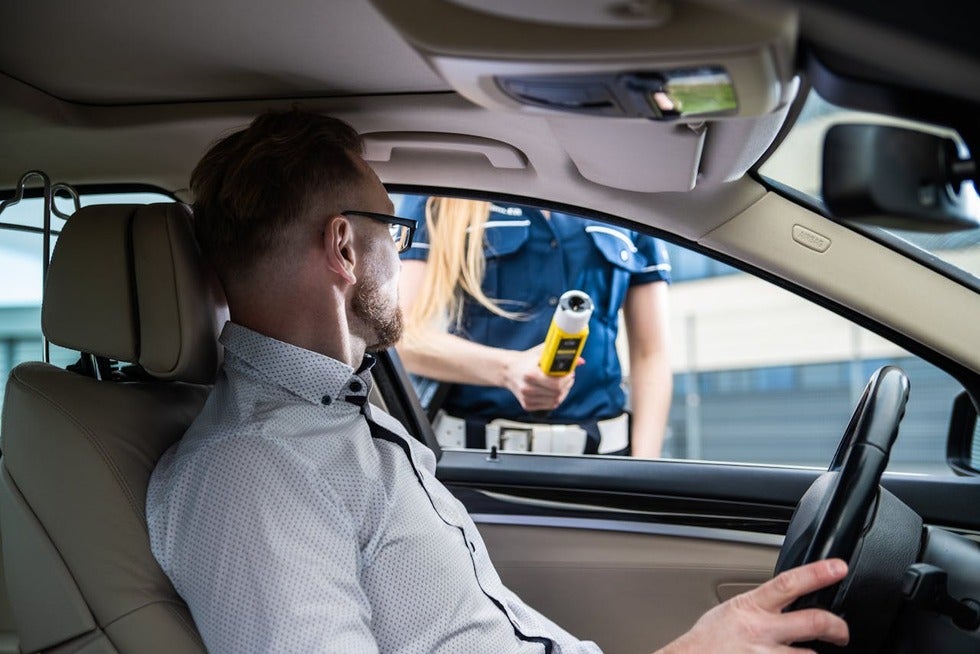
If you use a breathalyzer at a checkpoint or health check, these errors can come from consumable parts, software glitches, or mundane sensor failures. Your test might register more or less alcohol than you have, which can affect legal or employment consequences. You may observe minor variations from low battery or bad cleaning, but larger errors can cause false convictions or overlooked safety alerts. To understand how machine errors appear, you have to understand what goes wrong inside these devices. In the following chapters, you'll learn what causes these slips and how to detect or repair them.
How Machine Errors Skew Results
As a result, machine errors in breathalyzer devices boost a spectrum of problems, from slight inaccuracies to major misreadings that affect legal and health consequences, including breathalyzer test results. Understanding how these errors skew measurements is crucial for both consumers and clinicians who rely on breath testing devices.
1. Calibration Drift
Calibration drift is the primary source of false breathalyzer test results. If calibration isn't checked and set on schedule, even a solidly constructed breathalyzer device can begin to deliver inaccurate readings. Human error in calibration can create false positives, posing a danger to the tested individuals. When breathalyzer machines are deployed for years without checking calibration — which has been the case in certain police departments — the risk of false breathalyzer test results increases even further. Calibration logs should be maintained and audited, particularly if breathalyzer evidence is employed for legal purposes. Leave calibration checks to properly trained staff to ensure breath test accuracy.
2. Sensor Degradation
Sensors inside breathalyzer devices can wear out over time, making them less effective at gauging alcohol levels in breath and leading to inaccurate breathalyzer test results. Factors like heat, dust, and harsh chemicals can speed up sensor wear. If old sensors aren't regularly checked or replaced, your blood alcohol concentration reading can be significantly off. Research shows that for as many as 23% of users, their actual BAC can be much lower than what the device indicates, sometimes by as much as 15%.
3. Software Glitches
Software in breathalyzer devices isn't free of bugs. A glitch or legacy software can skew breathalyzer test results, even if the hardware is ok. Occasionally, a software update can repair the error, but not necessarily. Operators should be trained to identify indications of malfunctioning software, such as error messages or inconsistent measurements. Logging when problems arise aids in both debugging the device and optimizing future software, keeping you safe from a slip-up caused by unseen flaws.
4. Power Supply Issues
A breathalyzer device can't function properly if it doesn't receive consistent power. Weak batteries or power surges can trigger false breathalyzer test results. Always turn to dependable, new batteries or a solid plug. Power checks should be a routine part of any breath testing device's check. If your breathalyzer machine crashes or malfunctions, your subsequent measurement might not be reliable.
5. Internal Contamination
Breathalyzers, specifically breathalyzer devices, can absorb phony statistics from in-house sources. If not properly cleaned, products such as mouthwash, breath strips, or even paint and gas fumes can enter the device and provide a false high blood alcohol concentration reading. Personnel need to be trained to sanitize and inspect for buildup or odd odors. Even GERD, certain foods, and over-the-counter medications can lead to false breathalyzer test results if they happen to make their way into the device's field.
Compounding External Factors
Breathalyzer test results aren't in a vacuum. There can be all sorts of external influences on your outcomes, both nuanced and brutal. Each factor can alter a breathalyzer reading's accuracy by over 12% at times, so you must be aware of what can mess up a reading.
Ambient Temperature
Temperature swings can knock breathalyzer test results out of whack. Most breathalyzer devices perform optimally at 20°C to 30°C. If the air is too hot or cold, sensor performance falls, affecting breath test accuracy. You should ALWAYS record the ambient temperature when testing, as this assists in monitoring if outcomes may have varied due to the warmth or coldness of the room. If the temperature is out of the ideal range, modify your test steps. For instance, have the unit warm up or cool down before testing. Train everybody who uses breathalyzer equipment on how temperature can interfere with results, especially in areas with large daily temperature swings.
Radio Interference
Your breathalyzer device can be sensitive to radio waves. Cell phones, two-way radios, and even local wi-fi routers can wreak havoc, potentially leading to false breathalyzer test results. Radio interference may cause the device to misread, freeze, or fail. Shielding, whether it's through Faraday cages or simply placing the device in low-interference areas, can help cut out this noise. Operators must identify symptoms of compounding factors, such as unexpected abnormal readings or defective breathalyzer equipment, and respond quickly. Always conduct breathalyzer tests in the absence of strong electronic signals for optimal test accuracy.
Residual Contaminants
Residue, whether it's alcohol from a mouthwash or chemicals from previous experiments, can cling to the breathalyzer device and alter your breathalyzer test results. If the breath testing device isn't cleaned properly between tests, you could get a false breathalyzer test result. Mouth alcohol from breath spray, or even GERD, can result in an inflated breathalyzer reading. Be sure to clean the appliance after each use and educate employees on what can cause trouble, adjusting cleaning frequency accordingly. If individuals use cold medicine or cough syrup, allow the device to air out for a longer time between tests.
Monitoring Environmental Conditions
Be vigilant about your environment, as gasoline, paint, or varnish fumes can drift into your sample and contaminate breathalyzer test results. Simple actions, like holding your breath, can alter blood alcohol concentration readings by 10%. Always wait at least 15 minutes after eating, drinking, or smoking for an accurate breathalyzer test.
The Human Element
Correct breathalyzer test results rely on more than just the technology; they depend on the humans who implement and understand breathalyzer equipment. Machine errors often stem from human errors, such as mis-handling or mis-reading breathalyzer readings. Skilled staff, standardized processes, and continuous monitoring are essential to ensure breath tests accurately represent reality, avoiding avoidable mistakes.
Improper Operation
Operator skill is the essence of every breathalyzer test. Even the best breathalyzer devices can provide inaccurate readings without the appropriate training. Operators should know what's involved in taking a breath test, like waiting the appropriate amount of time after eating, drinking, or using mouthwash. Miss one step, and the outcome can swing by as much as 10%. Your team should follow a checklist: confirm subject identity, inspect the breathalyzer equipment, ensure no food or tobacco was consumed in the past 15 minutes, check for medical conditions like GERD or diabetes, and verify the device calibration. Keeping tabs on whether your crew adheres to these precautions is important because small errors—such as administering a test too quickly or improperly touching the mouthpiece—can result in an outsized impact, particularly for petite individuals or those with elevated BAC readings. Even a 1 degree Celsius rise in temperature can propel results by 8%. Newer operators, without much hands-on experience, often overlook these nuances, increasing the likelihood of false breathalyzer test results.
Faulty Interpretation
The digits on the screen from the breathalyzer device aren't always the complete picture. Operators have to be trained to think beyond the dial and factor in anything that could alter a reading. For instance, diabetics or low-carb dieters can generate acetone, which can contribute 0.01–0.06% to any breathalyzer test result, or even cause a false positive. Understanding that things like Nyquil or cough syrup, and even some foods or lip balms, can impact breathalyzer test results is important. Operators should cross-reference suspicious outcomes with other proof, DUI tests, witness statements, or even medical information. This layered approach renders your testing more reliable and helps catch the edge cases, like when someone's BAC spikes from breath holding or menthol cigarettes. Acknowledging system boundaries and externalities is what distinguishes a cautious practitioner from an incautious one.
Different Technologies, Different Flaws
Breathalyzer machines utilize various technologies to measure breath alcohol content (BrAC), each exhibiting unique strengths and weaknesses. Understanding these distinctions aids in assessing the accuracy of breathalyzer test results and making informed decisions when precision is crucial.
|
Technology |
Strengths |
Weaknesses |
|
Fuel Cell Sensors |
High accuracy, low false positives |
Sensitive to some chemicals, needs maintenance |
|
Semiconductor Sensors |
Affordable, small, easy to use |
Prone to false positives, needs frequent calibration |
|
Infrared Spectroscopy |
Precise, suitable for labs |
Expensive, large, sensitive to interferences |
Fuel Cell Sensors
Fuel cell breathalyzers operate by inducing a chemical reaction between alcohol and electrodes, generating an electric current that informs you of your blood alcohol concentration. This current indicates how much alcohol is in your breath, which is why law enforcement officials prefer these breathalyzer devices. Although they tend to be less error-prone, they can still yield false breathalyzer test results if other chemicals, such as ketones or acetone, are present. Even with routine calibration, fuel cell sensors may experience drift, so monitoring for signs of wear or fouling is essential.
Semiconductor Sensors
Semiconductor sensors, commonly found in personal breathalyzer devices, employ heated metal oxide to react with alcohol. However, they can absorb other substances, such as cigarette smoke or mouthwash, leading to false breathalyzer test results. Calibration is essential since these sensors lose breath test accuracy quickly. Users should note that hyperventilation or drinking water before the breathalyzer test can disrupt the readings. Operator error, such as not waiting long enough after consuming food or drink, also contributes to the shortcomings of breathalyzer test results.
Infrared Spectroscopy
Infrared spectroscopy employs light to detect alcohol molecules in the breath, making it a vital component of breathalyzer tests. You see, you get exact measurements, which is why labs and fancy police units love these breath testing devices. However, the breathalyzer equipment can be skewed by liquids with comparable absorption qualities to alcohol or fluctuations in breath temperature and humidity. Progress in sensor design is aiding, but interference and machine maintenance problems mean you still require specialized operators.
The Illusion Of Precision
Many treat breathalyzer devices like they're gospel, but this faith can be deceptive. Breathalyzer tests invariably contain error ranges that can shift the breathalyzer test results in surprising ways. It's essential to consider these outcomes in conjunction with other data, as understanding the boundaries of breath test accuracy is crucial for interpreting this data intelligently.
A False Certainty
-
Machine calibration drift
-
Human error in device use
-
Environmental conditions like temperature and humidity
-
Mouth alcohol (from recent beverages or products)
-
Medical conditions (like GERD or diabetes)
-
Residual chemicals from medications, mouthwash, or breath strips
Lawyers shouldn't accept breathalyzer test results at face value, as breathalyzer devices are susceptible to many external factors. For instance, acetone from diabetes or a ketogenic diet can contribute up to .06% to the blood alcohol content (BAC) reading, even with zero alcohol consumption. Additionally, if you hold your breath for 30 seconds, hyperventilate, or exercise hard, your BAC can fluctuate by as much as 10%. Common products like mouthwash, breath sprays, or even cough syrup can lead to false breathalyzer test results, indicating that one reading could be off by more than 12%. In court, it's crucial to evaluate all the evidence, not just the breath test.
Overlooked Error Margins
The error margin in breathalyzer readings is not hypothetical. Real-world studies indicate that as many as 23% of people tested will have a true BAC significantly lower—by as much as 15%—than what the device reads. Minor changes in technique, such as being off in timing or dosage, can alter outcomes significantly. 12.55% (+/-) margin of error is typical in practice. That can be a big difference, particularly if you're near legal limits.
Other methods for BAC confirmation include:
-
Blood testing (more reliable, but slower)
-
Urine testing (useful for certain substances)
-
Repeat breath tests (to spot outliers)
-
Use of multiple device types for comparison
Being transparent about these limits is important for all parties—users, legal teams, and the general public.
Legal Ramifications
Breathalyzer machine errors can significantly impact legal cases, as tiny malfunctions may lead to false breathalyzer test results. This can result in innocent individuals facing DUI charges or unfair penalties, while also providing opportunities for a solid DUI defense. Understanding the implications of breathalyzer test results is crucial for anyone involved in a DUI case.
|
Legal Implication |
Description |
|
Wrongful Convictions |
Inaccurate results may lead to false guilty verdicts. |
|
Ineligibility for Expungement |
Some regions do not allow DUI expungement if based on breathalyzer evidence (e.g., Florida). |
|
License Suspension |
Refusing a test or faulty results may cause automatic suspension. |
|
Evidentiary Challenges |
Results may be excluded if calibration or training is lacking. |
|
Unjust Sentencing |
Errors can increase penalties or charges beyond what is appropriate. |
Challenging Evidence
Defense attorneys need to know how to challenge breathalyzer results. You can dig into device reliability, demonstrating how a margin of error — at times 20% — can make all the difference between guilty and innocent. Expert witnesses can assist in deconstructing the science, identifying faults with the function of the machine, and its application. This is particularly the case when officers were ill-trained or when operator errors are feasible.
Checking calibration records and maintenance logs is crucial. Most locations require monthly check-ins. If a device wasn't calibrated or maintained correctly, this can undermine the prosecution's case. Independent BAC tests, conducted by a third party, can assist. They provide a benchmark and could disprove the initial breathalyzer results.
Defense Strategies
You need a strategy that accounts for machine imperfections. Inform your clients about the law, particularly because refusing a breathalyzer can equate to losing a license, even if the results would have been faulty. Work in close conjunction with forensic experts who can identify holes in the information. Collectively, you can construct a legal argument as to why the robot's figures should be disbelieved.
Bring additional proof—perhaps video or eyewitness testimony—to court. A person's BAC can continue to increase after they stop drinking, so it can be important to test at the right time. Too soon or too late, and the results can be misleading.
Upholding Justice
You should ALWAYS test the breath standards! Demand stringent regulations regarding calibration and law enforcement personnel training. This makes it easier to keep the playing field fair.
Legal pros need to ask: Is the tech as good as it claims?
Conclusion
Machine errors mold breathalyzer results in massive ways. Defective sensors skew readings. Grimy components or outdated software can lead to additional stumbles. External factors, such as ambient temperature or air, can distort the readings. Users can err, as well. Every kind of tech has its Achilles heel. Results can appear precise, yet mask minor issues. Even little errors can alter legal results. If you need a transparent look, examine the technology, the procedures, and the training behind every test. Keep your wits about you, continue questioning, and employ hard-nosed facts in your work. For more IRL tech tips, join the discussion on the blog.
Frequently Asked Questions
1. How Can Machine Errors Impact Your Breathalyzer Results?
Machine errors in breathalyzer devices might cause inaccurate readings, potentially resulting in a higher or lower BAC than your true level. Regular calibration and maintenance are essential for breathalyzer test accuracy.
2. What External Factors Can Affect The Accuracy Of A Breathalyzer?
Even environmental conditions — temperature and humidity — can affect breathalyzer test results. Factors like mouthwash or food could lead to false breathalyzer test results, as they're always instructed to ensure breath test accuracy for the most accurate results.
3. Are All Breathalyzers Equally Reliable?
No, breathalyzer devices vary in accuracy. Some utilize fuel cell breathalyzers, while others rely on semiconductor sensors. Professional-grade breath testing devices are much more reliable than personal or handheld units.
4. Can Human Error Influence Breathalyzer Outcomes?
Yes, human or machine errors can cause breathalyzer test results to be inaccurate. Training and protocol assist in minimizing human error and providing more accurate breath test accuracy.
5. Why Do Breathalyzers Sometimes Give A False Sense Of Precision?
Breathalyzer devices often leave too many decimals, which may mislead you into thinking the breathalyzer reading is precise. However, mechanical and environmental factors show that breathalyzer test results are estimates, not exact figures.
6. What Are The Legal Consequences Of A Breathalyzer Error?
How machine errors impact breathalyzer test results. Courts, it turns out, usually need to see that breathalyzer devices are well-maintained and properly used to take breathalyzer readings at face value.
7. How Can You Ensure More Accurate Breathalyzer Readings?
You use well-maintained breathalyzer devices and follow instructions. If available, get a professional-grade breath test or a blood test to confirm.
------------------------------------
Don't Face Charges Alone—Book Your Free Case Review
If you believe a breathalyzer error played a role in your DUI arrest, don't leave your future to faulty technology or questionable procedures. At Gorelick Law Office, we know how to challenge unreliable breath test results and fight for your rights. With decades of experience in California DUI defense, Lynn Gorelick can help you expose calibration issues, operator mistakes, or environmental factors that may have skewed your test. Schedule your free case review today on our website and start building a defense that's grounded in facts, science, and experience.
Disclaimer
The materials available on this website are for informational and entertainment purposes only and are not intended to provide legal advice. You should contact your attorney for advice concerning any particular issue or problem. You should not act or refrain from acting based on any content included in this site without seeking legal or other professional advice. The information presented on this website may reflect only some current legal developments. No action should be taken based on the information on this website. We disclaim all liability concerning actions taken or not taken based on any or all of the contents of this site to the fullest extent permitted by law.
Previous Article - What Should You Know About DUI Chemical Tests In California?
Next Article - What Are The Top Defenses For High BAC Readings?

