
Key Takeaways
-
You are subject to California's implied consent law, which requires you to submit to chemical testing if you're lawfully arrested for DUI, or you face immediate consequences like license suspension.
-
You've got options when it comes to blood, breath, and urine tests in a DUI investigation.
-
By educating yourself on procedures, common errors, and legal requirements for each type of chemical test, you can make decisions that are informed and protect your rights during a DUI arrest.
-
Refusing a chemical test will impose more severe penalties, such as higher fines, required jail time, and a longer-lasting impact on your driving record and insurance premiums.
-
Examine, attack, and challenge chemical test results by questioning equipment, officer procedure, and utilizing independent experts to bolster your case in court.
-
That's why an experienced DUI defense attorney is indispensable — to guide you through the legal intricacies and human elements at play in these cases and make sure your interests are safeguarded.
DUI chemical testing in California refers to the idea that law officers can test your breath, blood, or urine if they suspect you are DUI. You encounter these tests if pulled over for DUI, and the results can define your court case. It sets rigorous standards for how samples are collected and tested, which helps ensure accurate results. You likely have questions about your rights, what constitutes admissible evidence, and how the state selects which test to use. Knowing these facts assists you in visualizing what occurs next should you get stopped. In this post, you get clear answers on test types, the stages of testing, and what those results might mean for you.
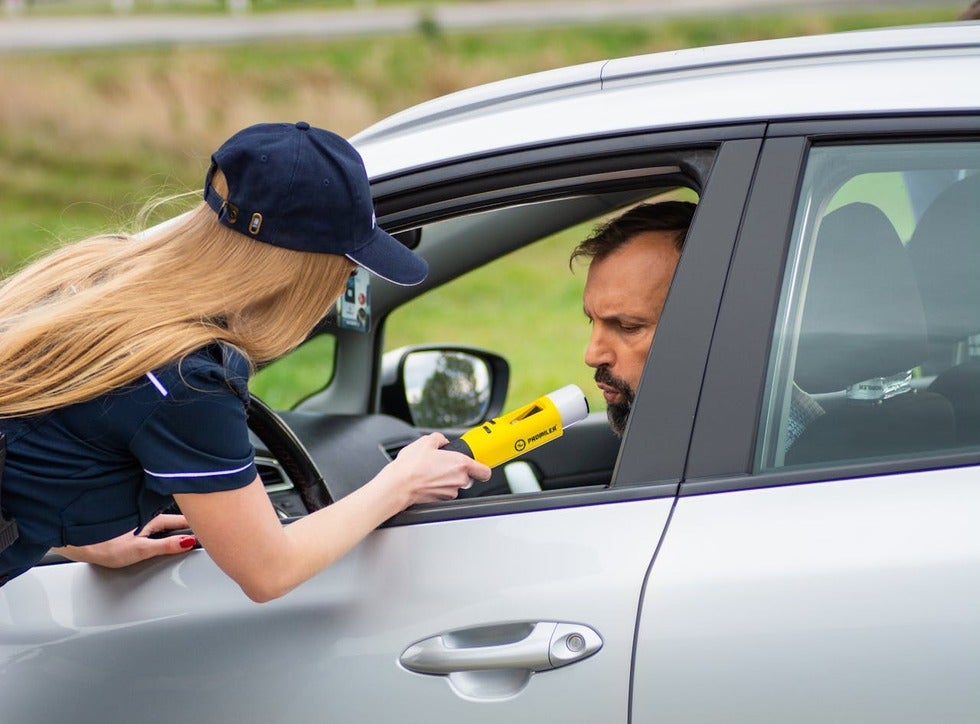
Understanding Implied Consent
California's implied consent law dictates how you are confronted with DUI chemical testing. When you drive on public roads in California, you've consented—by law—to chemical tests of your breath or blood if you're arrested for DUI. That goes for all of you at the wheel — even you out-of-staters with the fancy license. The law doesn't inquire as to your desires; it establishes a standard for everyone driving.
If police arrest you with probable cause for DUI, they can request that you submit to a chemical test. You don't get to consult an attorney before selecting. That's even if you listen to your Miranda rights at arrest. The law means your choice is simple: say yes to a breath or blood test, or face automatic penalties. Refusing is not only an individual decision—it initiates administrative enforcement (ie, swift, draconian punishment). They can suspend your license immediately, even if you're subsequently found guilty of DUI. They can get even more severe for anyone with prior convictions in the previous years.
Here's what this law means for your right to drive:
|
Scenario |
Penalty (First Offense) |
Penalty (Repeat Offenses) |
Does this apply to an Out-of-State License? |
|
Refuse chemical test |
License suspended 1 yr |
Up to 3 years suspension |
Yes |
|
Submit to test, DUI found |
License suspended for 6 months |
Longer suspension |
Yes |
If you decline a test, your punishment piles on top of the DUI sentence you receive in court. It's critical to note that only qualified individuals—such as registered nurses or phlebotomists—can extract blood for such testing. That helps make tests reliable and equitable. You'll usually be provided a breath or blood test initially. Urine is uncommon, but it is utilized if nothing else is feasible.
The point is, when you drive in California, you're part of this system. There's the law. If you drive, you consent to chemical testing if pulled over for DUI. This rule isn't about your origin or your license. It's about saving lives and ensuring we're all playing from the same book.
Your Chemical Test Choices
When you are confronted with a DUI investigation in California, you essentially have three chemical tests to assess impairment, including the DUI breath test. The accuracy and reliability of these tests can significantly impact your drunk driving case, so understanding the distinctions is critical.
-
Breath Test: Measures your blood alcohol concentration (BAC) using a breathalyzer device. Quick, non-invasive, and most ubiquitous at the roadside or station.
-
Blood Test: Involves drawing a blood sample to check BAC and the presence of drugs. Highly accurate, but more invasive, and requires careful handling.
-
Urine Test: Used mainly if breath and blood tests aren't available, or for drug detection. Less reliable for recent use or low concentrations.
1. The Breath Test
Breath tests employ a device to approximate breath alcohol content (BAC) from a deep-lung air sample. California's legal BAC limit is 0.08 percent for most drivers, but for those below 21 or on DUI probation, the threshold drops to 0.01 percent. Factors like mouth alcohol, recent eating, or certain medical conditions can skew breath test results. Police must take rigorous measures—such as waiting 15 minutes and probing the device—for findings to matter in court.
2. The Blood Test
Blood tests are considered the gold standard for accuracy in drunk driving investigations, as they measure BAC and drugs in your bloodstream. Police require valid consent, and a certified technician must perform the draw. Results are not immediate, and lag times can impact BAC readings—occasionally to your advantage, as your blood alcohol level could decrease over time. Errors or contamination in handling or lab work may occur. Blood samples are retained for subsequent re-examination, typically by your attorney's specialist.
3. The Urine Test
Urine tests often arise in DUI cases where drug use is suspected or if other DUI tests can't be administered. These tests are less precise because they reflect what's in your system over hours, rather than at the moment you were stopped. According to California law, you must provide two samples, which need to be tested in a sterile, private environment. They are notorious for false positives, particularly for cannabis, leading to significant post-results scrutiny.
4. Choosing Your Test
All tests, including DUI chemical tests, have pros and cons. Blood tests are accurate but slower, while breath tests are fast but less dependable with certain ailments. Urine testing is a Hail Mary, often resulting in a lot of false positives. Your health, time of arrest, and what's in your system may steer your selection, which can significantly impact your DUI case and legal defense.
5. PAS VS. Post-Arrest
PAS tests, or preliminary alcohol screening, are roadside checks applicable mainly if you're under 21 or on probation. Refusing a PAS typically results in less harsh penalties than refusing a post-arrest DUI test, which you must submit to if police arrest you for drunk driving. The primary post-arrest tests — the court-sanctioned ones — have larger legal consequences if you refuse. BAC shifts quickly, making timing critical to testing accuracy.
The Officer's Obligations
When you are confronted with chemical testing for DUI in California, the police officers themselves are bound by a set of rules and obligations. These are both steps to safeguard your rights and to make sure that the test results can hold up as evidence. Every act of the officer is supported by an obvious legal basis. Knowing these responsibilities will allow you to anticipate them and react accordingly.
Officer responsibilities during chemical test administration include:
-
Informing you of the implied consent law, that is, by driving, you've agreed to take a test upon request.
-
Providing you with a straightforward warning of what occurs if you refuse the test, such as potential license suspension and other penalties.
-
Leaving you to choose between breath, blood, or occasionally urine tests, unless unavailable or circumstances prohibit.
-
Not to mention that if you opt for blood or urine, results could be weeks away.
-
With your age. If you are under 21, there are more rigid rules regarding alcohol.
-
Questioning you about whether you've been drinking, but you can clam up and invoke the 5th.
-
Obey the rule even before arrest. Say, if you're being interrogated pre-arrest, Miranda doesn't come into play, but the officer still has a procedure to observe, so you're treated equitably.
-
Looking into your record for any DUI arrests or convictions within the last 10 years, because they impact potential penalties.
-
Ensuring that the license suspension process is initiated if nothing occurs within 10 days, regardless of court proceedings.
Officers have to take notes and gather evidence. That means recording your words, your behavior, and the timing of each test. They print out the entire process, from the stop to sample collecting, no step overlooked. This documentation is important for both the criminal case and your license hearing. If the officer is on private property, they must be engaged in a statutorily-required activity–responding to a call, for example, or delivering the mail under government regulations.
Consequences Of Refusal
Refusal of a chemical test following a DUI arrest in California has serious and enduring consequences. The law treats refusal as a separate issue from the DUI itself, leading to two sets of penalties: administrative and criminal. If you refuse a DUI breath test, it results in at least a 1-year suspension for a first offense. This suspension is immediate, and the officer doesn't have to provide a second opportunity. That's an administrative penalty dealt with by the DMV, and it applies even if you're not convicted of DUI in court.
Refusal alters the prosecution of the DUI case. Prosecutors can raise your refusal as a negative inference, asserting that you refused the test because you knew you were intoxicated. This can complicate your defense, as jurors might infer guilt from the refusal itself. In court, your refusal doesn't protect you — it provides the prosecution with additional leverage against you.
Penalties accumulate with refusals. For a 1st DUI in 10 years, refusing the breath adds 48 hours of jail and a minimum 9-month DUI school. With each repeat offense, the punishment goes up: 96 hours in jail for a second offense, 10 days for a third, and 18 days for a fourth or later. These are above and beyond any jail time or fines for the DUI itself. The court may impose additional fines for test refusal, compounding the financial penalties already associated with a DUI conviction.
The effect doesn't end with court or jail. A rejection remains on your driving record, accessible by insurance companies and prospective employers. Insurers typically consider a refusal as an indicator of risk, increasing your premiums or even underwriting you out. In certain instances, you might have to purchase high-risk insurance, which is far more costly and difficult to obtain.
While the U.S. Supreme Court ruled that states may not criminalize refusal to consent to a warrantless blood test, this does not apply to DUI breath test refusals. In California, breath test refusal remains a significant legal issue with systemic implications for those facing DUI investigations.
Challenging Test Results
When you're up against DUI chemical tests in California, awareness of your rights and options is crucial. The statute permits you to challenge DUI breath test results, blood, or urine test results. Your defense can focus on how the tests were conducted, what devices were used, or even your health. Breathalyzers gauge alcohol on your breath to approximate blood alcohol content (BAC), but these devices require frequent calibration. If a breathalyzer isn't properly maintained or is old, the results could be inaccurate. Additionally, if the officer didn't take the proper steps during the roadside breath test or if external factors, such as your medical condition, influenced your breath sample, you can leverage that as a defense.
Blood tests are believed to be more accurate, but they come with their own issues. If there's a long time lag between your arrest and your blood draw, your BAC can fluctuate. Blood samples, too, can get confused or contaminated if not handled or transported properly. Things like your blood checking machine were broken, or the settings were not correct. If the phlebotomist who drew your blood was untrained or the chain of custody is questionable, your defense gets stronger. Title 17 rules lay down hard steps for how samples should be treated. Any falter in these steps can provide you with a path to contest the results.
Bringing in your expert or conducting an independent test can aid your argument. Professionals can examine your scores and indicate whether they believe the DUI test was deficient. They can demonstrate how an illness or even mouthwash may have altered your BAC. Cross-examining the officer who administered the test can reveal if something was overlooked or improperly performed, further strengthening your DUI case.
Checklist for challenging chemical test results:
-
Was the test device verified and current?
-
Did the officer follow all required steps?
-
Did it have a neat chain of custody for the sample?
-
Was the blood drawn and stored correctly?
-
Did external issues or illness undermine the result?
-
Did an expert review the process and findings?
The Human Element
DUI chemical testing in California is more than a science; it involves a complex interplay of human discretion and observational judgment. Your encounter can hinge on factors such as whether you are stopped and how evidence is treated. Officer discretion plays a key role in DUI investigations, as they look for indicators like your speech, gestures, or reactions to inquiries. The decisions made by officers form the foundation of your DUI case and can often be influenced by their biases and viewpoints. This means that even minor details, such as nerves or stress, can be misinterpreted as evidence of intoxication.
Personal bias in DUI stops can significantly impact the outcome of drunk driving investigations. If an officer perceives you as fatigued or nervous, they may interpret this as a sign of culpability or inebriation, leading to arrests before any chemical tests are administered. Your stress and anxiety can exacerbate this situation; when you're overly nervous about a DUI breath test, you may exhibit physical signs like shaky hands or unusual responses. Stress can hinder your ability to follow instructions, making you more vulnerable to misinterpretation. Officers, too, are not immune to stress or fatigue; long shifts and high-pressure situations can impair their judgment, potentially resulting in errors during the roadside breath test or subsequent procedures.
The administration of chemical tests, including blood draws, is not devoid of human error. When your blood is drawn, the phlebotomist must adhere to strict protocols, such as washing their hands and inspecting supplies. The site for the needle must be properly cleansed to prevent infection. However, if the tourniquet remains on your arm for too long, it can alter your blood alcohol level results. Sometimes, patients endure multiple needle sticks, which can be both painful and traumatic. How blood is drawn is intended to ensure your safety and the purity of the sample, yet even careful procedures can falter when staff are rushed or fatigued.
An experienced DUI lawyer understands how to pinpoint these vulnerabilities and challenge the procedures used in your case. Your defense strategy will hinge on demonstrating where human error or bias may have influenced the results of your DUI chemical tests, potentially leading to a favorable outcome in your DUI trial.
Conclusion
You've got big decisions with DUI chemical testing in California. The law details your rights and obligations. Officers have to provide you with specific instructions. You choose between breath and blood tests. Your decision bodes actual consideration for your case. Test refusal can hit you with fines or license loss. If you doubt the results, you can inspect the testing procedure and request evidence. A lot of people are anxious in these times; you can request assistance and leverage professional guidance. Be smart, be aware of your choices, and assert your rights. If you'd like more tips or tales from your fellows, visit our blog and join the conversation.
Frequently Asked Questions
1. What Is Implied Consent In California DUI Cases?
Implied consent means that by driving in California, you consent to take a chemical test if a police officer believes you're DUI. Penalties for refusing
2. What Chemical Test Options Do You Have After A DUI Stop?
DUI chemical testing in California may involve a breath test or, in rare cases, urine testing if other options are not feasible after a DUI arrest.
3. What Must The Officer Tell You Before Testing?
The officer must inform you of your rights and the penalties for refusing a DUI chemical test, ensuring you are advised before any chemical tests are administered.
4. What Happens If You Refuse A Chemical Test In California?
Refusal of a DUI chemical test can lead to a suspension of your driving privileges, subjecting you to penalties separate from those for DUI charges.
5. Can You Challenge DUI Chemical Test Results?
Yes, you can fight DUI test results in court. Faulty testing practices, flawed equipment, or improper handling of your chemical tests could impact your DUI case.
6. Are DUI Chemical Test Results Always Accurate?
No, DUI test results can be influenced by human error, equipment malfunction, or mishandling, which can occasionally be used in your defense.
7. Can A Lawyer Help If You Fail A DUI Chemical Test?
Yes. An experienced DUI lawyer will see your breath test results, spot errors, and ensure that your rights are safeguarded throughout the DUI case proceedings.
------------------------------------
Act Fast—Your Defense Starts With One Call
If you've been arrested for DUI in California, the clock is already ticking on critical deadlines that can affect your license, your record, and your freedom. Don't wait and hope things will sort themselves out—take action now. At Gorelick Law Office, we understand the complexities of DUI chemical testing and how to challenge questionable results. Attorney Lynn Gorelick has over 38 years of experience protecting drivers just like you. Whether it's questioning the test procedure, identifying officer errors, or fighting for your rights in court, your best defense begins with experienced legal guidance. Call or message us today through our secure contact page and get the defense you deserve.
Disclaimer
The materials available on this website are for informational and entertainment purposes only and are not intended to provide legal advice. You should consult your attorney for advice on any specific issue or problem. You should not act or refrain from acting based on any content included in this site without seeking legal or other professional advice. The information presented on this website may reflect only some current legal developments. No action should be taken based on the information on this website. We disclaim all liability concerning actions taken or not taken based on any or all of the contents of this site to the fullest extent permitted by law.
Previous Article - What Else Should You Know About Chemical Testing & DUI Science?
Next Article - How Do Machine Errors Affect Breathalyzer Results?

