
Being charged with a crime in California can be overwhelming, particularly if you are unsure what happens after your first court appearance. One of the most important decisions made at an arraignment is your plea. If you plead not guilty, you are telling the court that you are not admitting to the charges and that the prosecution must prove its case. A not-guilty plea does not mean the case is over, nor does it automatically mean that you will have to go to trial. Instead, it generally begins the next stage of the criminal process, during which your attorney can investigate the allegations, review evidence, challenge legal issues, negotiate with the prosecution, and prepare a defense.
What happens next depends on several factors, including whether you are facing misdemeanor or felony charges, whether you are in custody, the evidence against you, and whether there are legal grounds for resolving the case before trial. California courts explain that after an arraignment and a not-guilty plea, criminal cases generally move into a pretrial stage. During this period, the prosecution and defense exchange information, attend additional court hearings, consider motions, and may discuss a possible resolution. In felony cases, a preliminary hearing will generally take place before the case proceeds toward trial. Understanding these steps can help you know what to expect after pleading not guilty.
Key Takeaways
-
A not-guilty plea does not mean you are admitting that you committed the alleged offense.
-
Pleading not guilty does not automatically mean your case will end in a trial.
-
After the plea, the court generally schedules additional proceedings, and the case enters the pretrial stage.
-
Your defense attorney can review discovery, investigate the allegations, identify weaknesses in the prosecution's case, and file appropriate motions.
-
Misdemeanor and felony cases follow different procedures after a not-guilty plea.
-
In a felony case, a preliminary hearing will generally occur before the case proceeds toward trial.
-
The prosecution has the burden of proving the charges beyond a reasonable doubt at trial.
-
You may still negotiate a plea agreement after initially pleading not guilty.
-
Depending on the circumstances, charges may potentially be dismissed before trial.
- You should discuss your options with a California criminal defense attorney before making decisions about your plea, waiving time limits, testifying, or accepting a proposed resolution.
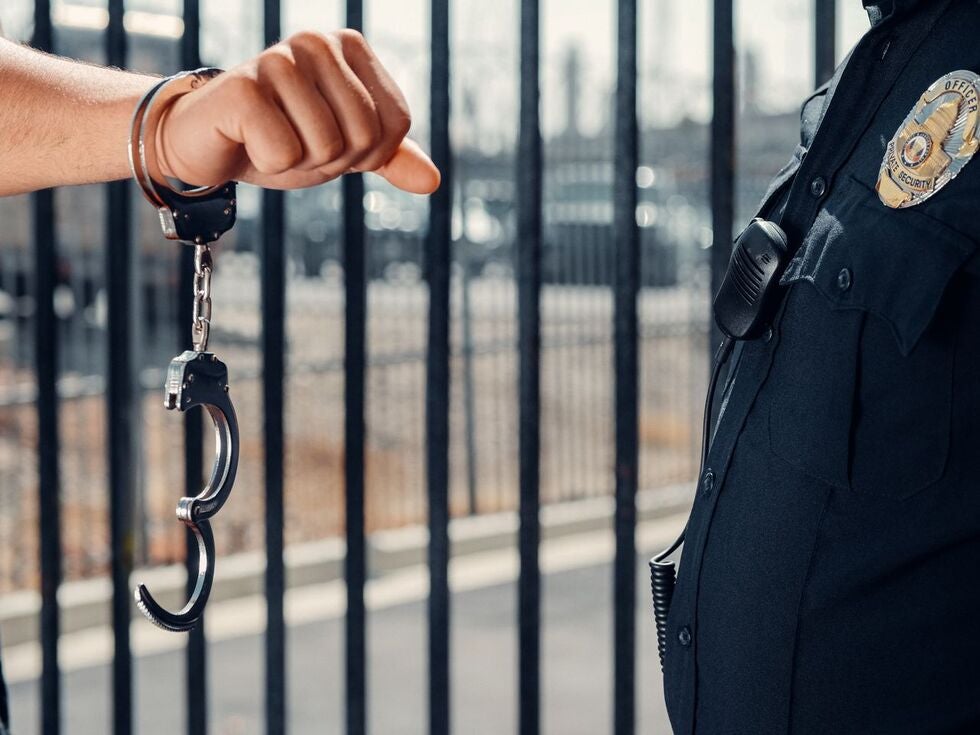
What Does A Not-Guilty Plea Mean In California?
A not-guilty plea is a formal response to criminal charges. When you enter this plea, you are not admitting that you committed the alleged offense. Instead, you are requiring the prosecution to prove its allegations through the criminal justice system.
At an arraignment, the judge generally explains the charges and important constitutional rights. These rights can include the right to an attorney, the right to remain silent, the right to a speedy trial, and the right to a jury trial. After the charges and rights have been addressed, the defendant is asked how they plead. California courts identify guilty, not guilty, and no contest as the most common pleas.
A not-guilty plea keeps the criminal case open. It allows the defense to contest the allegations instead of resolving the case through an admission of guilt or no contest.
Does Pleading Not Guilty Mean You Are Claiming You Are Innocent?
Not necessarily. Although people often use "not guilty" and "innocent" as though they mean the same thing, they have different meanings in a criminal case.
A not-guilty plea means that the defendant is not admitting guilt and is requiring the prosecution to prove the charges. The defendant does not generally have to prove that the allegations are false simply because they pleaded not guilty.
This distinction is important because the prosecution carries the burden of proof. At trial, the prosecution must prove every required element of the charged offense beyond a reasonable doubt. California courts explain that defendants are presumed innocent until proven guilty beyond a reasonable doubt.
The defense may challenge the prosecution's evidence in several ways. For example, an attorney may investigate whether:
-
The prosecution has identified the correct person.
-
A witness's account is unreliable or inconsistent.
-
The evidence fails to establish one or more elements of the offense.
-
Evidence was obtained through an unlawful search or seizure.
-
Police procedures violated the defendant's constitutional rights.
-
Statements attributed to the defendant were obtained unlawfully.
-
The prosecution cannot establish the required criminal intent.
-
Physical, forensic, or digital evidence is unreliable.
-
Conflicting evidence creates reasonable doubt.
The defense therefore does not have to prove innocence merely because a defendant has entered a not-guilty plea.
What Happens At Court After You Plead Not Guilty?
Once a not-guilty plea is entered, the judge generally schedules the next stage of the criminal case. The specific proceeding depends largely on whether the charges are misdemeanors or felonies.
For a misdemeanor, the next court date is usually a pretrial conference or another proceeding where the parties can discuss the case. California Courts explain that after a misdemeanor defendant pleads not guilty, the court will generally set another court date, usually a pretrial conference.
For a felony, the next proceeding is generally a preliminary hearing. The preliminary hearing is different from a trial and has a different purpose.
The court may also address the defendant's custody status and conditions of release. Depending on the circumstances, a defendant may remain in custody, be released on their own recognizance, be released under supervision, or be required to post bail. California courts note that judges consider factors such as the charges, public safety, and the likelihood that the defendant will return to court when addressing release.
A criminal protective order may also be issued in some cases, particularly when the court determines that restrictions involving a victim or witness are appropriate. If such an order is issued, the defendant must follow its terms.
Do You Have To Go To Every Court Hearing?
You should never assume that you can skip a court date simply because you have an attorney.
Whether you must personally appear can depend on the type of proceeding, the charges, the court's orders, and applicable California law. Your attorney can explain whether your presence is required at a particular hearing.
Failing to appear when required can create additional legal problems, including the possibility of a warrant. If you cannot attend a scheduled court appearance for a legitimate reason, you should contact your attorney as soon as possible rather than simply failing to appear.
Keeping track of court dates is therefore an important part of defending a criminal case.
Can The Plea Be Changed Later?
In many cases, a defendant who initially pleads not guilty can later change the plea. For example, the prosecution and defense may negotiate a plea agreement that results in reduced charges, dismissal of certain allegations, or another negotiated outcome.
However, changing a plea can have significant consequences. A guilty or no-contest plea can result in a conviction and may affect matters such as employment, professional licensing, immigration status, driving privileges, or other legal rights depending on the offense and individual circumstances. California Courts specifically warn that criminal convictions can have consequences beyond jail or prison, including immigration and employment consequences.
For that reason, a defendant should understand the consequences of any proposed plea before accepting it.
What Happens During The Pretrial Stage?
After a not-guilty plea, much of the criminal case may take place during the pretrial stage. This period allows the prosecution and defense to prepare their respective cases and may provide opportunities to resolve the case without a trial.
California Courts describe several major pretrial activities, including discovery, settlement discussions, motions, and preliminary hearings in felony cases.
The pretrial stage can therefore be one of the most important periods in a criminal case.
Discovery And Evidence Review
Discovery generally involves the exchange of information and evidence between the prosecution and defense.
The prosecution may provide the defense with police reports, photographs, videos, recordings, witness information, laboratory reports, forensic evidence, and other materials depending on the case. California courts note that prosecutors generally provide initial discovery around the arraignment and must continue providing information as they obtain additional material.
The defense attorney can review this material to assess the prosecution's case and identify potential weaknesses.
For example, an attorney may examine whether:
-
Witness accounts are consistent with one another.
-
Surveillance footage supports or contradicts the allegations.
-
Police reports contain important inconsistencies.
-
Physical evidence was properly collected and preserved.
-
Search and seizure procedures complied with constitutional requirements.
-
Statements attributed to the defendant were obtained lawfully.
-
Expert or forensic evidence is reliable.
-
Digital evidence has been properly obtained and interpreted.
-
The prosecution can prove every required element of the charged offense.
The defense may also look for evidence that supports the defendant's position or creates reasonable doubt.
Discovery is important because the allegations contained in a criminal complaint do not necessarily tell the entire story. Reviewing the underlying evidence can reveal facts that were not apparent at the time of arraignment.
Negotiations With The Prosecution
Pleading not guilty does not prevent the defense from negotiating with the prosecutor.
During the pretrial period, the prosecution and defense may discuss whether the case can be resolved without a trial. California courts explain that pretrial or settlement conferences can provide opportunities for the parties to discuss a settlement agreement.
A negotiated resolution may involve reduced charges, dismissal of certain allegations, or an agreed sentencing recommendation, depending on the circumstances and applicable law.
The defendant generally makes the ultimate decision about whether to accept a plea offer. The defense attorney's role is to explain the offer, discuss potential consequences, identify possible alternatives, and help the defendant make an informed decision.
Importantly, simply receiving or considering a plea offer does not mean that a defendant must accept it. If an acceptable agreement cannot be reached, the case can continue toward trial.
What Is A Preliminary Hearing In A California Felony Case?
If you are charged with a felony, one of the significant proceedings that may follow a not-guilty plea is a preliminary hearing.
A preliminary hearing is not a trial. Instead, its purpose is generally to determine whether there is enough evidence for the defendant to be held to answer on the felony charges. California Courts describe the preliminary hearing as a proceeding where a judge decides whether there is enough evidence for the case to move forward.
At the hearing, the prosecution presents evidence supporting the charges. Defense counsel has an opportunity to question prosecution witnesses and challenge the evidence presented.
If the judge determines that sufficient evidence exists, the defendant is generally held to answer. The prosecution then files a document called an Information containing the charges that can proceed. The defendant subsequently has another arraignment based on the Information.
Can A Preliminary Hearing Help The Defense?
A preliminary hearing can provide important strategic opportunities in an appropriate case.
Defense counsel may use the proceeding to:
-
Test the prosecution's evidence.
-
Cross-examine witnesses.
-
Identify inconsistencies in testimony.
-
Learn more about the prosecution's theory of the case.
-
Challenge whether sufficient evidence exists to proceed on particular charges.
-
Evaluate the strengths and weaknesses of the prosecution's witnesses.
-
Prepare for later proceedings or trial.
However, the best approach depends on the facts of the individual case. In some circumstances, defense counsel may recommend proceeding with the preliminary hearing. In others, counsel may recommend waiving the hearing or pursuing a different strategy.
California Courts state that a felony preliminary hearing generally must occur within 10 court days of the arraignment or plea, whichever is later, unless the defendant waives that period or there is good cause for a delay. If the 10 days is delayed or waived, additional timing rules apply, including a general 60-day period.
Because waiving time can affect the case schedule and strategy, defendants should discuss the consequences with their attorney before agreeing to a waiver.
Can Criminal Charges Be Dismissed After You Plead Not Guilty?
Yes. Pleading not guilty does not guarantee that the case will continue all the way to trial.
California Courts explain that most criminal cases do not go to trial. Depending on the circumstances, a case may be resolved through a plea agreement, or the judge may determine that there is a legal reason the case cannot proceed.
A dismissal may occur for different reasons depending on the facts and legal circumstances.
For example, the defense may identify a significant legal problem with the prosecution's case. There may be insufficient evidence, constitutional violations, procedural problems, or another circumstance that makes continued prosecution inappropriate.
Motions To Challenge Evidence
Defense attorneys may file motions asking the court to resolve legal issues before trial.
One example is a motion to suppress evidence. If police obtained evidence through an unlawful search or seizure, the defense may ask the judge to prevent the prosecution from using that evidence at trial.
California courts provide a motion to suppress as an example of a pretrial motion. In such a motion, the defense may argue that police violated the defendant's rights and ask the judge to exclude evidence obtained through the alleged violation.
The outcome of such a motion depends on the facts and applicable law. Not every allegation of improper police conduct results in the exclusion of evidence, and exclusion of one piece of evidence does not automatically mean that the entire case will be dismissed.
Other motions may also be available depending on the circumstances.
Insufficient Evidence
Evidence problems can also affect whether a criminal case continues.
If the prosecution cannot establish the necessary facts or legal elements of an offense, the defense may have grounds to challenge the charges. The appropriate procedure for raising an evidence issue depends on the type of case and the specific legal issue involved.
This is one reason a thorough review of discovery can be so important. A defendant may initially know only what is alleged in the criminal complaint, while the evidence produced during discovery may reveal inconsistencies or weaknesses in the prosecution's case.
A dismissal is never guaranteed, however. Whether a case can be dismissed depends on the applicable law and the facts established by the evidence.
What Happens If The Case Goes To Trial?
If the case is not dismissed and the prosecution and defense do not reach an acceptable resolution, the case may proceed to trial.
California criminal defendants generally have the right to a jury trial in qualifying misdemeanor and felony cases. California courts explain that a criminal jury trial involves jurors listening to the evidence and deciding whether the defendant is guilty or not guilty. A defendant may request that a judge decide the case instead when legally permitted.
A trial can take anywhere from a day to many months depending on factors such as the number of witnesses, complexity of the evidence, and whether there are multiple defendants.
The Prosecution Has The Burden Of Proof
One of the most important principles in a criminal trial is the prosecution's burden of proof.
The prosecution must prove the defendant's guilt beyond a reasonable doubt. The defense does not have to prove the defendant's innocence.
A criminal jury trial can include:
-
Jury selection.
-
Pretrial evidence issues.
-
Opening statements.
-
Presentation of the prosecution's evidence.
-
Cross-examination of prosecution witnesses.
-
Presentation of defense evidence, if the defense chooses to present evidence.
-
Closing arguments.
-
Jury instructions.
-
Jury deliberations.
-
A verdict.
California Courts explain that the prosecution presents its witnesses and evidence and must prove each charged crime beyond a reasonable doubt. The defense does not have to present a case, and the defendant has the right to remain silent.
This means that a defendant does not have to testify simply because they pleaded not guilty.
Whether a defendant should testify is a significant strategic decision that should be discussed with defense counsel.
What If The Jury Finds You Not Guilty?
If the jury finds the defendant not guilty, the defendant is acquitted of that charge. A not-guilty verdict means that the prosecution failed to convince the jury beyond a reasonable doubt that the defendant was guilty.
A not-guilty verdict is not technically the same thing as a finding of factual innocence. The legal question is whether the prosecution proved the charged offense beyond a reasonable doubt.
If the jurors cannot reach the required unanimous verdict, the judge may declare a mistrial because of a hung jury. Depending on the circumstances, the prosecution may decide whether to retry the case.
If the defendant is found guilty, the case generally proceeds to sentencing.
How Long Does A Criminal Case Take After A Not-Guilty Plea?
There is no single timeline that applies to every California criminal case. Some cases are resolved relatively quickly, while others can continue for many months or longer.
California Courts emphasize that individual criminal cases do not necessarily follow every step in the same way, and most criminal cases do not ultimately go to trial.
The length of a case can depend on factors such as:
-
Whether the case is a misdemeanor or felony.
-
Whether the defendant is in custody.
-
The complexity of the allegations.
-
The amount of discovery involved.
-
The number of witnesses.
-
Whether forensic evidence must be reviewed.
-
Whether digital evidence is extensive.
-
Whether pretrial motions are filed.
-
Whether a preliminary hearing is contested.
-
Whether the parties are negotiating a resolution.
-
Whether the defendant waives applicable time limits.
-
The court's schedule and availability.
California Speedy Trial Considerations
California defendants have rights concerning the timing of criminal proceedings, but those rights involve specific rules and exceptions.
For misdemeanor cases, California courts explain that a defendant who is not in custody generally has the right to have a trial begin within 45 days of the arraignment or plea, whichever is later. For a defendant who is in custody, the general period is 30 days. These deadlines can be affected when the defendant waives time or another legally recognized circumstance applies.
Felony cases involve different procedures. A defendant generally has the right to a timely preliminary hearing, and after a felony Information is filed, the trial generally must begin within 60 days of the arraignment on the Information unless the defendant waives that time or another applicable rule permits a delay.
These rules are important but can be complicated. A defendant should understand what they are giving up before agreeing to waive a statutory deadline.
Why Some Cases Take Longer Than Others
A longer criminal case does not necessarily mean that the prosecution has a stronger case. Similarly, a case that resolves quickly does not necessarily mean that the charges were weak.
Some cases require substantial investigation and evidence review. Attorneys may need time to obtain records, interview witnesses, examine digital evidence, consult experts, investigate defenses, or prepare motions.
The defense may also need time to determine whether going to trial is the best strategy or whether another resolution is appropriate.
For example, a case involving a large volume of digital evidence may require substantially more preparation than a relatively straightforward misdemeanor. A case involving multiple witnesses may also require more investigation and preparation.
The goal should therefore not always be to resolve the case as quickly as possible. Instead, defendants should focus on making informed decisions based on the evidence, applicable law, potential consequences, and available defense strategies.

What Should You Do After Pleading Not Guilty?
After entering a not-guilty plea, defendants should take the case seriously and pay close attention to their attorney's instructions and court requirements.
Several practical steps can help protect your position while the case is pending.
Follow All Court Orders
If the court imposes release conditions, protective orders, or other requirements, make sure you understand and follow them. Violating a court order can create additional legal problems.
Keep Track Of Court Dates
Do not assume that your attorney's involvement means you can ignore court notices. Ask your attorney whether you are required to personally appear at each proceeding.
Avoid Discussing The Case Publicly
Statements made outside court can potentially become relevant to a criminal case. Defendants should be cautious about discussing the facts of their case with people other than their attorney and those who need the information for the defense.
Social media can also create potential problems. Posting about an arrest, alleged offense, witnesses, police officers, evidence, or court proceedings may create information that could later be examined by the prosecution.
Preserve Potentially Relevant Information
Do not delete messages, photographs, videos, emails, records, or other potentially relevant information simply because it seems unfavorable or unnecessary. Instead, discuss potentially relevant evidence with your attorney.
Your attorney may need to investigate evidence that supports your defense or contradicts the prosecution's version of events.
Communicate With Your Attorney
Your defense attorney needs accurate information to develop an effective strategy. Be honest about what happened, even if you believe certain facts could be unfavorable.
An attorney cannot properly evaluate potential defenses, legal risks, or negotiation options without understanding the relevant facts.
Conclusion
Pleading not guilty to criminal charges in California does not mean that you have automatically committed yourself to a trial. Instead, it generally moves the case into the next stage of the criminal process. During this period, the defense can investigate the allegations, review discovery, examine the prosecution's evidence, file appropriate motions, negotiate with the prosecution, and prepare for trial if necessary. California Courts identify discovery, settlement discussions, motions, and preliminary hearings as important parts of the pretrial process.
The procedure can differ depending on whether the defendant is facing misdemeanor or felony charges. Misdemeanor cases generally move toward pretrial conferences, while felony cases generally involve a preliminary hearing. If the case is not resolved during the pretrial stage, it may proceed to trial, where the prosecution must prove guilt beyond a reasonable doubt.
A not-guilty plea can therefore be the beginning of a lengthy and important legal process rather than the end of the matter. The decisions made during this stage can affect whether the case is dismissed, resolved through an agreement, or taken to trial.
If you have been charged with a crime in California, speaking with an experienced criminal defense attorney as early as possible can help you understand the allegations, evaluate the evidence, and determine what legal options may be available. Gorelick Law Office can help defendants understand their rights and navigate the criminal court process while developing a defense strategy based on the specific circumstances of the case.
Frequently Asked Questions
1. Is Pleading Not Guilty A Bad Thing In California?
No. Pleading not guilty is a standard response to criminal charges. It means that you are not admitting guilt and are requiring the prosecution to prove the allegations. It does not automatically mean that the case will go to trial.
2. What Happens Immediately After I Plead Not Guilty?
The judge generally schedules another court date. For misdemeanor charges, the next proceeding is usually a pretrial conference. For felony charges, a preliminary hearing is generally scheduled.
3. Can I Plead Not Guilty And Later Accept A Plea Deal?
Generally, yes. A defendant who initially pleads not guilty may later negotiate with the prosecution and potentially change the plea if an acceptable agreement is reached. Before accepting an agreement, however, the defendant should understand the charges, proposed sentence, and other potential consequences.
4. Can Criminal Charges Be Dismissed After A Not-Guilty Plea?
Potentially. A not-guilty plea does not guarantee that the case will proceed to trial. A case may sometimes be dismissed because of insufficient evidence, successful legal challenges, prosecutorial decisions, or other circumstances. California courts note that some criminal cases are resolved because a judge determines there is a legal reason the case cannot proceed.
5. Do I Have To Prove That I Am Innocent?
Generally, no. The prosecution has the burden of proving the defendant guilty beyond a reasonable doubt. The defense does not have to prove innocence simply because the defendant pleaded not guilty.
6. Do I Have To Testify If I Plead Not Guilty?
No. A defendant has the right to remain silent and does not have to testify at trial. Whether testifying is strategically appropriate is a decision that should be discussed with a criminal defense attorney.
7. What Is A Preliminary Hearing?
A preliminary hearing is generally used in felony cases to determine whether there is sufficient evidence for the defendant to be held to answer on the charges. It is not a trial and does not determine whether the defendant is ultimately guilty or not guilty.
8. How Long Will My California Criminal Case Take?
There is no universal timeline. The length of a case depends on factors such as the type of charges, amount of evidence, number of witnesses, pretrial motions, negotiations, court scheduling, and whether the defendant waives applicable time limits.
9. Can I Refuse To Waive My Speedy-Trial Rights?
You may have statutory rights concerning the timing of your trial or preliminary hearing, but the rules are specific, and exceptions may apply. Before agreeing to waive time, you should discuss the potential benefits and disadvantages with your attorney. California Courts specifically recommend getting advice from a lawyer before waiving applicable time periods.
10. What Should I Do After Pleading Not Guilty?
Follow all court orders and release conditions, attend required hearings, preserve potentially relevant evidence, avoid discussing the case publicly, and communicate openly with your attorney. You should also understand any plea offers or requests to waive applicable deadlines before making a decision.
------------------------------------
Facing Criminal Charges In Alameda Or Contra Costa County? Know What Comes Next
Being charged with a crime can turn your life upside down fast. One court date can lead to another, unfamiliar legal terms start piling up, and suddenly you're being asked to make decisions that could affect your freedom, reputation, career, and future. Understanding the criminal court process in Alameda and Contra Costa Counties can help you feel more prepared for what lies ahead.
At Gorelick Law Office, we've spent more than 30 years helping clients navigate the California criminal justice system with clarity and confidence. Attorney Lynn Gorelick knows that every stage of a criminal case matters, from the arraignment and pretrial hearings to motions, negotiations, and trial. We make sure you understand what's happening, why it matters, and what options may be available at each step.
Criminal cases can move quickly, and no two situations are exactly alike. The charges, evidence, courthouse, and circumstances surrounding your case can all shape how the process unfolds. Having an experienced defense attorney by your side means you don't have to walk into court wondering what comes next or how to respond.
Our team takes the time to examine the details of your case, protect your rights, challenge weaknesses in the prosecution's position, and build a defense strategy focused on the best possible outcome.
Don't let uncertainty control what happens next. If you're facing criminal charges in Alameda or Contra Costa County, contact Gorelick Law Office today for a free consultation and get experienced legal guidance from the start.
You deserve answers. You deserve a strong defense. You deserve a real chance to move forward.
Disclaimer
The materials available on this website are for informational and entertainment purposes only and are not intended to provide legal advice. You should contact your attorney for advice concerning any particular issue or problem. You should not act or refrain from acting based on any content included in this site without seeking legal or other professional advice. The information presented on this website may reflect only some current legal developments. No action should be taken based on the information on this website. We disclaim all liability concerning actions taken or not taken based on any or all of the contents of this site to the fullest extent permitted by law.


