
Key Takeaways
-
When you're stopped at a DUI checkpoint, you should stay calm, comply with all posted instructions, and have your paperwork – license, registration, and proof of insurance – handy and current.
-
Keep your chit-chat to a minimum. Many arrests take place because someone volunteered extra information that accidentally or intentionally put them in hot water.
-
You have the basic right to say no to car searches absent probable cause or a warrant, and to do so calmly and respectfully.
-
If they ask for sobriety or chemical tests, be aware of your rights, and refusal might result in license suspension or other penalties.
-
Control your nervousness through deep breaths, remain polite, and maintain your confidence.
-
Once the checkpoint is behind you, document the experience and consult an attorney if you're charged or feel your rights were violated. Diligent record-keeping can be vital in your defense.
If you are stopped at a DUI checkpoint, you should stay calm, keep your hands in plain view, and follow the officer's requests for documents like your license and registration. You don't have to answer questions such as where you were driving from or if you've had anything to drink. In most locations, you can decline field sobriety tests, but you will likely be required to submit to a breath test by law. Being polite and saying as little as possible keeps things smooth and helps protect your rights. Drivers fret about what to say or do, but if you know your rights and duties, you can make intelligent decisions. The next section explains what to do and what to expect at a checkpoint.
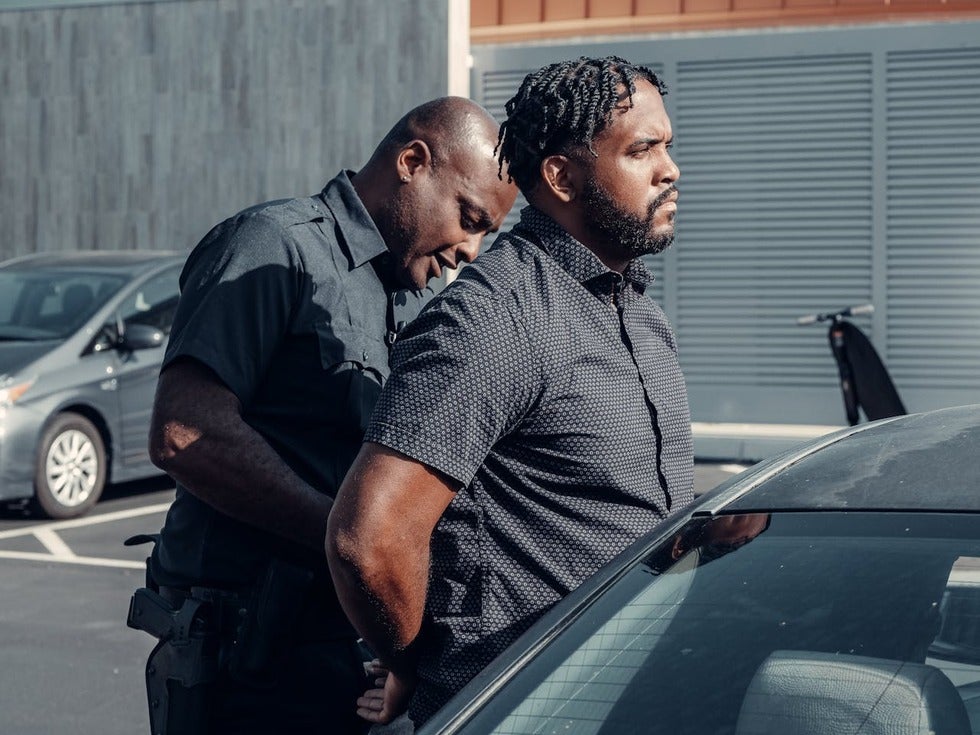
Navigating A DUI Checkpoint
DUI checkpoints are common in a number of areas as a public safety measure. These aren't random stops; police must adhere to administrative rules, provide advance public notice, and apply neutral standards for stopping vehicles. Not all states permit sobriety checkpoints, so it's essential to review your local DUI laws. If you drive through a checkpoint, knowing your legal rights and how to interact with law enforcement can help safeguard you and prevent unnecessary hassle.
1. Approach Safely
Reduce your speed the moment you see sobriety checkpoint signs. This demonstrates that you are informed and compliant with traffic law. Be sure to use your turn signals if you have to move over or pull in, and maintain a good distance from the vehicle ahead. Watch for signs and hand signals from officers, and don't ever try to turn around or avoid the checkpoint, or you'll get even more scrutiny. Be sure you park your car only where instructed and keep your motor running unless advised differently. These steps keep the checkpoint experience safe for both of us.
2. Provide Documents
Upon stopping at a sobriety checkpoint, traffic officers will request your driver's license, vehicle registration, and insurance information. Ensure these documents are handy and current before you arrive at the checkpoint. Keep your hands on the wheel to indicate you are no threat. Wait for the officer to direct you before you grab your papers. If your paperwork has expired or is missing, you may face delays or fines. Having your documentation in order can facilitate the process and demonstrate your readiness to comply with DUI laws.
3. Limit Conversation
During a traffic stop, officers may ask simple questions about you and your vehicle. If a police officer inquires where you've been or whether you've been drinking, remember that you have certain rights, including the right to remain silent. Stay calm and courteous, but you can refuse to discuss anything beyond your legal obligations. For example, if asked about your destination, simply reply, ‘I'm not comfortable answering that.' Providing short, polite answers can prevent misunderstandings and help you avoid escalation during sobriety checkpoints, safeguarding your legal rights in the process.
4. Decline Searches
If a traffic officer asks to search your car, you can say no unless they have a warrant or obvious probable cause. You go, ‘I don't consent to a search.' Keep your cool when you assert your legal rights. Don't attempt to prevent the search physically, but make your non-consent clear. The officer can record your refusal, which might assist you later if there is a legal issue. Armed with this knowledge, it's easier to respectfully stand your ground.
5. Address Testing
During a traffic stop, law enforcement can request that you perform a field sobriety test or a breathalyzer test. While you can refuse, be aware that this refusal may lead to your license being suspended for up to a year. In Florida, the blood alcohol content limit is 0.08%. If you consent to the test, do your best. Failing might result in arrest, while passing usually allows you to leave. Be conscious of your legal rights and the potential consequences of your decision at every stage.
Know Your Fundamental Rights
Knowing your rights at a sobriety checkpoint is crucial for protecting yourself, particularly because DUI laws vary by state, and legal details tend to be glossed over. Every country and jurisdiction will have its own take, so get to know your local rules and processes before you face a DUI checkpoint. International readers will observe variations in the legal terrain, but the foundational tenets, including the right to remain silent, protection from unreasonable searches, and access to an experienced DUI attorney, translate broadly and constitute the bedrock of responsible citizenship.
Right To Silence
At any DUI checkpoint, you are not obligated to answer questions that could incriminate you, a right protected by the Fifth Amendment in the US. For instance, if a traffic officer queries, ‘Have you been drinking tonight?' you don't have to answer. Knowing your legal rights is important; you can exercise your right to silence by calmly stating, “I'm going to remain silent.” This approach is polite and direct, making it less confrontational. Your silence cannot be used against you in court, and law enforcement officers cannot coerce you into talking. Generally, you must still present identification – driver's license, registration, and proof of insurance, but you don't need to provide further details. If you feel unsure or threatened, requesting an experienced DUI attorney before answering questions ensures you don't inadvertently give information that may be used against you.
Search And Seizure
Your right to be free from unreasonable searches and seizures is protected by the Fourth Amendment in the U.S. (though the same holds around the world). Law enforcement officers cannot search your vehicle without probable cause, a warrant, or your explicit consent. For example, if a traffic officer requests to look in your trunk without cause, you can deny them unless there is incriminating evidence in plain sight. Certain areas legally mandate that sobriety checkpoints must have judicial approval or public notice, and not every state or nation authorizes such stops. If you think a search is illegal, record it as thoroughly as you can. Memorize the officer's badge number, the time, and what was said. You can subsequently dispute the lawfulness of the search in court, and any evidence discovered unconstitutionally can be suppressed. Knowing these boundaries helps prevent overreach and protects your privacy.
Legal Counsel
If detained or arrested at a sobriety checkpoint, your right to legal counsel is immediate and non-negotiable. Request an attorney before responding to any material inquiries. Even if you feel certain you're not in the wrong, if you believe your rights are being violated, having an attorney present during questioning can help you navigate complex legal scenarios. An experienced DUI attorney can assist you throughout the entirety of the legal process, including contesting the legality of the checkpoint itself, a key avenue, as some states require judicial approval for DUI checkpoints or prohibit them outright. If you don't, demand your right to speak with an attorney. This alone can flip an encounter with law enforcement. In international contexts, requesting legal counsel may follow different procedures, but the principle remains the same: protect yourself by seeking professional advice.
Police Conduct And Limits
Police must operate within strict legal limits at DUI checkpoints, which are designed to enhance road safety while respecting your legal rights. These sobriety checkpoints follow specific guidelines, stopping vehicles in a predetermined order rather than randomly. Additionally, law enforcement officers cannot establish these checkpoints independently or without the consent of senior management. Notably, certain states, including Michigan and Oregon, outright prohibit these checkpoints, highlighting the importance of understanding local DUI laws.
Lawful Actions
Police can stop your car at a sobriety checkpoint and request your driving papers. You should anticipate handing over your license, registration, and insurance card. Officers may ask you some brief questions to determine whether you present symptoms of intoxication, such as slurred speech or the odor of alcohol. For example, if an officer thinks you have been drinking, they can request that you take a field sobriety test or a breathalyzer test. These tests are lawful, yet declining them can still result in severe consequences, including license suspension if local law mandates.
That all of us have to be treated alike at the checkpoints. Officers can't pull over drivers because of how they look or for biased reasons. As such, the checkpoint process must employ an obvious pattern, such as every third car, to be fair. Officers shouldn't hold you longer than necessary unless they have probable cause to think you're impaired.
Unlawful Actions
If a cop oversteps his or her bounds, you're entitled to assert yourself. Police are not allowed to use force or threatening language without justification. Police conduct and limits. So police can't search your car unless you consent or they have reasonable and articulable suspicion that you're hiding contraband. If you are detained at the checkpoint for an unreasonable amount of time without cause, this may be an infringement of your rights.
You don't have to respond to where you're going or coming from. If you're being mistreated, remain calm and take down the officer's name, badge number, and other pertinent details. Then, you can report to the appropriate police oversight body. In most countries, you can contact a legal aid organization if you feel your rights were infringed upon at a checkpoint.
Checkpoint Legality
Again, that's not the same in every jurisdiction. In certain jurisdictions, police may be mandated to publicize the location and time of a checkpoint in advance, typically via news sources or government websites. That just helps keep it transparent. Police checkpoints need to have signs and indicate where they are so motorists are aware that they're approaching a lawful stop.
It shouldn't tie up traffic for hours or create more inconvenience than necessary. If you think a checkpoint was not operated properly, perhaps they had no signs, or it was unannounced, you can contest its legality in court. A few drivers have even prevailed by demonstrating that the checkpoint failed to comply with local law or that the stop violated their Fourth Amendment rights.
Sobriety Tests Demystified
Sobriety tests are a common feature of any sobriety checkpoint to assess if a driver is too impaired to drive. Such DUI checkpoints play a vital role in safeguarding public safety by assisting law enforcement in identifying drunk drivers. Understanding the various types of sobriety tests, your legal rights, and the decisions that lead to specific outcomes is crucial if you're ever stopped at a checkpoint. The following table summarizes the primary types of sobriety tests and their intentions.
|
Test Type |
Purpose |
Example/Test Name |
|
Field Sobriety Test |
Assess physical coordination, balance |
Walk-and-Turn, One-Leg Stand |
|
Chemical Test |
Measure blood alcohol concentration (BAC) |
Breathalyzer, Blood Test |
|
Preliminary Alcohol Screening (PAS) |
Quick estimate of BAC |
Portable breath device |
Field Sobriety Tests
Field sobriety tests, often conducted at DUI checkpoints, examine your equilibrium and motor skills, which can be significantly impacted by drugs or alcohol. For example, at a checkpoint, a traffic officer may have you perform the 'walk-and-turn' and 'one-leg stand' tests. The officer carefully observes for symptoms such as swaying, using your arms to balance, or refusing to comply. Even minor errors could work against you, even if you had only a single drink.
It's important to know that field sobriety tests are voluntary in many places. You have every right to refuse, and law enforcement cannot compel you to comply. If you do cooperate and fail the tests, the officer might request additional testing or proceed with an arrest for suspicion of DUI. If you're feeling uncertain or uneasy, you can choose to remain silent and refuse to answer self-incriminating questions, protecting your legal rights.
Even if you feel fine, your blood alcohol content could still be over the legal limit. If your actions indicate impairment, traffic officers use these physical tests to establish a basis for further testing, which could lead to serious legal consequences.
Chemical Tests
Chemical tests are used to measure your BAC more directly. The most frequent is the breathalyzer; you blow into it for an instant read. A PAS test is a type of breathalyzer used at the roadside. If you decline this, an officer can take you to the station for a blood test, which is more accurate and can be double-checked if necessary.
Refusing a chemical test carries harsh penalties. You could lose your license for a year or longer. Below is a summary of possible penalties:
|
Refusal Consequence |
Penalty |
|
Refuse Breathalyzer |
1-year license suspension |
|
Refuse Blood Test |
Mandatory blood draw, additional penalties |
A blood test is best for BAC and can be split for an independent test if contested. Even if you think you're sober, these tests can prove you're not.
Refusal Consequences
Immediate legal issues can arise when you refuse sobriety checkpoint tests or chemical tests. Most states will suspend your license if you refuse breathalyzer tests, which can be used against you in court, complicating your defense against DUI charges. Understanding these consequences enables you to make smarter decisions if you're pulled over at a DUI checkpoint.
The Psychological Game
Dealing with cops at sobriety checkpoints is always an uncomfortable experience, regardless of who you are. These meetings are a small psychological game where officers look at more than just your responses. They're reading your body language, tone, and general composure. Even if you're not doing anything wrong, stress and anxiety can make you seem shifty. Knowing what to anticipate during a traffic stop and how to handle your reaction can help you keep your cool and defend your interests.
Officer Tactics
On the roads, police officers at sobriety checkpoints will often use leading or open-ended questions to gauge your mental state. They might say, ‘How much have you had tonight?' or ‘Where are you coming from?' The idea is to see if you pause, backtrack, or otherwise appear nervous. Officers are trained to seek signs of impairment, such as avoiding eye contact or making nervous movements, which can lead to a traffic stop for suspected drunk driving.
Keeping your composure can significantly reduce tension during these encounters. If you don't look at the officer or seem overly anxious, your behavior could be misconstrued. Officers observe your posture, gestures, and how you handle documents. Even simple actions, like shaking hands or dropping your license, might raise red flags during a sobriety checkpoint.
Respect and courtesy are crucial. While being polite is important, you should know your legal rights. You are entitled to remain silent or refuse to answer questions beyond what is necessary. Maintaining a civil and cooperative demeanor usually leads to a smoother experience during these law enforcement interactions.
Managing Anxiety
Anxiety at a checkpoint stop is normal for anyone. One technique to maintain composure involves deep breathing. Breathe in for four seconds, hold for four, and release for four. This can help calm your nerves and keep stress at bay.
Concentrate on what the officer is requesting. By listening closely and answering directly, you minimize the likelihood of confusion. Short, punchy responses trump long, blathering explanations. Remembering your rights can make you feel less vulnerable, particularly if you begin to feel pressure to say more than you're comfortable with. Knowing you only have to legally show an ID and basic information can help you fight back!
If you psychologically anticipate a checkpoint en route, you will have a greater sense of control. This priming decreases stress and allows you to manage the interaction more confidently.
Projecting Confidence
Exuding confidence at sobriety checkpoints can significantly influence the impression a traffic officer has of you. Responding with an even, articulate tone shows that you are in command and transparent. Maintaining good posture not only conveys authority but also helps you avoid appearing nervous, which could lead to further scrutiny during a traffic stop. Avoid fidgeting or making quick motions, as these actions may raise suspicion about your intentions.
Demonstrating positive body language, such as nodding and maintaining limited eye contact, indicates your willingness to cooperate. These subtle cues, along with smoothly passing along your documents, can reinforce your self-assurance and compliance, potentially minimizing the likelihood of facing DUI charges or additional probing by law enforcement.
In essence, being aware of your body language and how it affects interactions at DUI checkpoints can be crucial. By presenting yourself confidently and cooperatively, you not only uphold your legal rights but also create a more favorable environment during what can be a stressful traffic encounter.
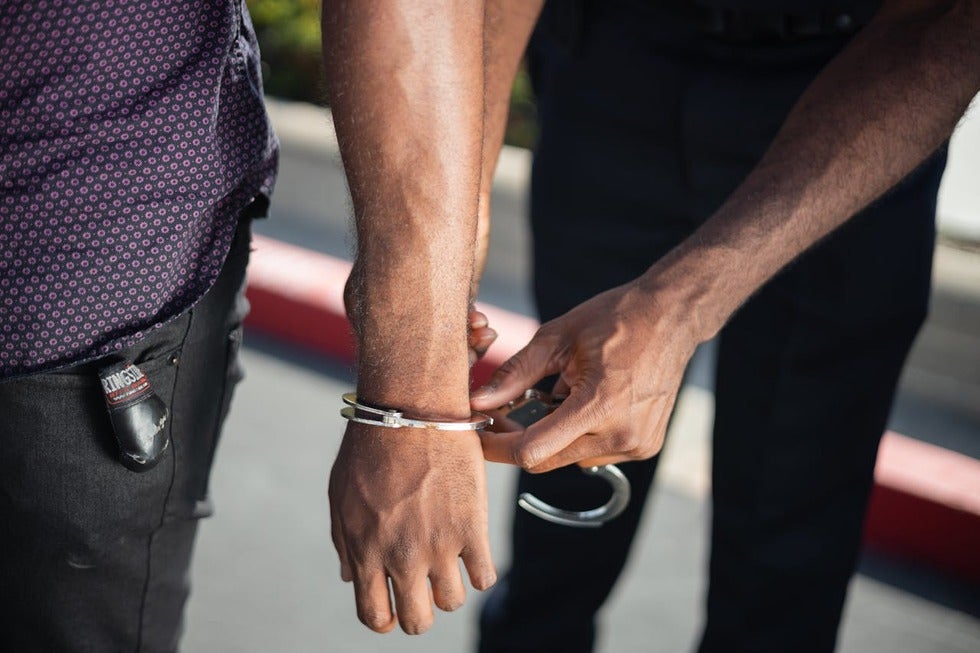
After The Checkpoint Stop
Checkpoint stops are a formal process. You have to comply with local laws, understand your rights, and make definitive choices. Whether you're released or charged, your response colors the result and any next steps. Pause after the checkpoint passage.
Review what occurred, record it, and consider the path ahead.
If You Are Released
Once you're released, keep your cool so you can clear your head and deconstruct what transpired. Remember where the checkpoint was, the time of day, what the officers looked like, their uniforms, badge numbers, and so on. These can be useful if you ever have to explain the incident or get counsel.
Think about how the stop went. They will evaluate, for example, if the officers took appropriate steps, explained your rights, or if you were pressured to respond beyond basic questions. Knowing what happened can keep you half a step ahead and preserve your rights for the next stop. If any part of the process felt off, or if they inquired about more than your license, registration, and insurance, you can be silent. As is the case in the U.S., you don't have to answer beyond this, per your rights under the Fifth Amendment.
If you feel uncertain about the encounter, consult a lawyer. They can assist you in reflecting on your experience and recommend any actions you should take.
If You Are Charged
Getting hit with a DUI or anything along those lines is serious. Legal systems are often harsh with penalties such as fines, license suspension, or even jail time. Even if you had a single drink, your BAC might be above the legal limit. This can have unexpected consequences because they are strict at checkpoints.
You are entitled to an attorney, and you should exercise it immediately. If you're detained, request a lawyer before responding to inquiries. This is irrespective of where you live. A defense attorney will walk you through, explain your rights, and assist in constructing your defense. They can talk about the effect of breathalyzer refusal, which in numerous nations is automatic license suspension, even prior to a court ruling.
Get ready for court with paperwork. This includes checkpoint paperwork, sobriety test results, and copies of charges. Getting your ducks in a row facilitates your ability to present your side and construct a crisp argument.
Document Everything
Immediately post stop, record as much as you can recall. Record the time, the location, and the cause for being stopped. Document what they said and did, and get their names and badge numbers if possible. If they gave you any paperwork, hold on to copies. These logs are crucial if you have to later defend yourself, contest evidence, or consult with an attorney.
Maintain a file for all legal paperwork, including court notices, test results, and letters from your lawyer or the police. This helps you follow the process and not overlook something important or a deadline.
Conclusion
At a DUI checkpoint, you're in control of what happens next. Stay calm, keep your hands visible, and respond with factual answers only. Police can ask for your ID and proof of insurance, but you do not have to provide any additional information. Understand what tests look like and how they work. Officers should know theirs, too. Everything you have to do at a checkpoint is for a reason. Being confident in your rights will help you feel less anxious. You become a little wiser every time you encounter this test. Stay up to date with your state laws. If you want to stay prepared, click through, inquire, and inspire. Your vote counts.
Frequently Asked Questions
1. What Should You Do When You First Approach A DUI Checkpoint?
Take it easy during a traffic stop at a sobriety checkpoint. Comply with the officer's directions and keep your hands in sight. Prepare your papers, and be polite and cooperative, but don't volunteer information.
2. Do You Have To Answer Every Question At A DUI Checkpoint?
No, just your basic ID and vehicle paperwork are required at sobriety checkpoints. You do not have to answer where you are going, where you are coming from, or whether you have been drinking.
3. Can The Police Search Your Car At A DUI Checkpoint?
Law enforcement officers can only search your car if they have probable cause or if you provide consent. Be polite during a traffic stop, but remember your legal rights and don't allow a search without a valid reason.
4. Are You Required To Take A Sobriety Test At A Checkpoint?
It varies by state, but in many, you can refuse field sobriety tests. However, refusing a chemical test like a breathalyzer test can lead to severe penalties under DUI laws. Know the legal rights where you live.
5. What Are Your Rights During A DUI Checkpoint Stop?
You can exercise your legal rights to remain silent during a traffic stop, refuse sobriety tests, and ask why you're being stopped.
6. What Should You Avoid Doing At A DUI Checkpoint?
Stay calm and respectful during a traffic stop at sobriety checkpoints; avoid arguing or sudden movements.
7. What Happens After You Pass Through The Checkpoint?
Once cleared, you can be on your way. If you are stopped at a sobriety checkpoint, comply with the legal procedures and potentially seek legal representation. Always record these traffic stops.
------------------------------------
Protect Your Future: Your Rights Matter After A DUI Arrest
A DUI arrest can turn your life upside down. Your license, your record, and your future are all on the line, and every decision you make from this moment forward matters. The legal system moves fast in these cases, and without the right defense, you risk serious penalties that can follow you for years.
At Gorelick Law, we understand how overwhelming this situation feels. Our team has spent decades defending people facing DUI charges and guiding clients through the confusion of DMV hearings, court deadlines, testing issues, and rights violations. We focus on protecting your freedom, challenging the evidence, and making sure law enforcement plays by the rules.
You don't have to navigate this alone. Visit Gorelick Law to learn how we can safeguard your rights and build a strong defense from day one. Call for a free consultation and get a dedicated advocate in your corner. Your future is worth protecting, and we're ready to fight for you.
Disclaimer
The materials available on this website are for informational and entertainment purposes only and are not intended to provide legal advice. You should contact your attorney for advice concerning any particular issue or problem. You should not act or refrain from acting based on any content included in this site without seeking legal or other professional advice. The information presented on this website may reflect only some current legal developments. No action should be taken based on the information on this website. We disclaim all liability concerning actions taken or not taken based on any or all of the contents of this site to the fullest extent permitted by law.


