
Facing criminal charges can be stressful, particularly when you are not sure what will happen at your next court appearance. After an arraignment, many California criminal cases enter a pretrial phase during which the defense and prosecution exchange information, evaluate the evidence, discuss possible resolutions, and prepare for the possibility of trial. This stage can involve several court appearances, and each one may serve a different purpose depending on the charges and circumstances of the case. A court date during this stage may be called a pretrial conference, settlement conference, readiness conference, or another type of pretrial hearing.
Understanding what to expect can make the process less intimidating and help you prepare for important decisions. A pretrial hearing is generally not a trial, and defendants are usually not required to tell the judge their version of events or prove their innocence at this stage. Instead, the hearing may address the status of the case, pending motions, discovery, plea negotiations, scheduling, trial readiness, or other legal and procedural issues. The prosecution and defense may also use this stage to identify unresolved issues and determine whether the case can be resolved without going to trial. The exact purpose of the hearing can vary based on whether the defendant is facing misdemeanor or felony charges and where the case stands in the criminal process.
Key Takeaways
-
A California pretrial hearing generally occurs after arraignment and before trial, although the timing and sequence of proceedings can vary depending on the case.
-
The specific purpose of the hearing depends on the type of hearing, the charges involved, and the stage of the criminal case.
-
The prosecution and defense may discuss discovery, plea negotiations, motions, scheduling, trial preparation, and possible resolutions.
-
Defendants generally should not use a pretrial hearing as an opportunity to explain their side of the story directly to the judge without first consulting their attorney.
-
The defense may use the pretrial stage to review evidence, investigate the allegations, identify weaknesses in the prosecution's case, and raise appropriate legal issues.
-
In felony cases, a preliminary hearing is different from an ordinary pretrial conference. A preliminary hearing addresses whether there is sufficient evidence for the case to proceed.
-
Readiness conferences may occur shortly before trial and focus on whether the case is ready to proceed or can be resolved without a trial.
-
Pretrial deadlines can be important, particularly when the defense intends to file motions, challenge evidence, or raise other legal issues.
-
A defendant may need to make important decisions during the pretrial process, including whether to consider a plea agreement or proceed toward trial.
-
Defendants should understand what their particular hearing is intended to accomplish and discuss their options and strategy with their criminal defense attorney beforehand.
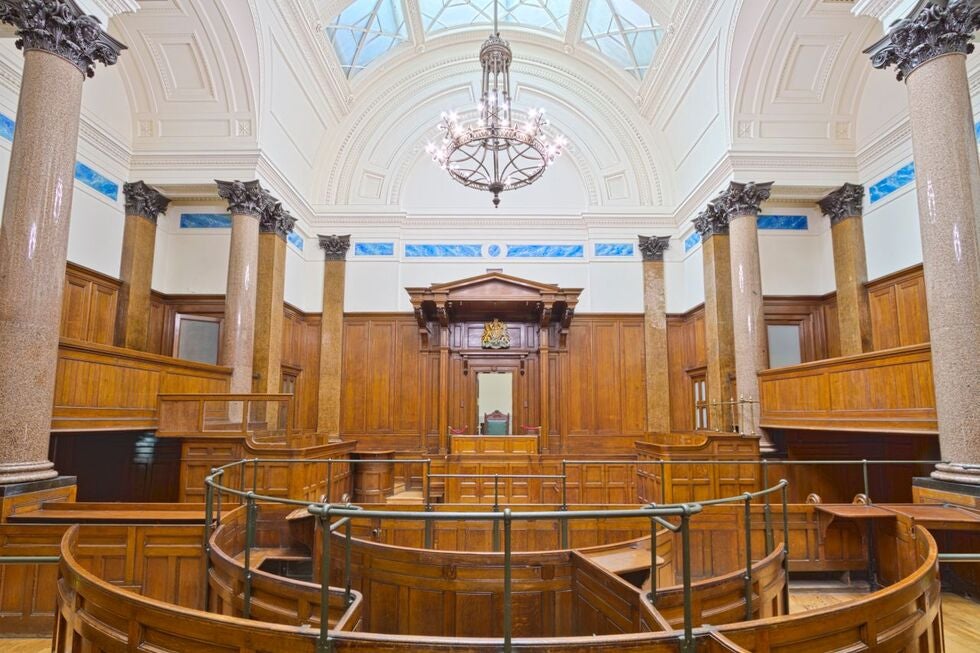
What Is A Pretrial Hearing In California?
A pretrial hearing is a court proceeding that takes place after criminal charges have been filed and before a case goes to trial. The pretrial stage is an important part of a California criminal case because it allows the prosecution and defense to exchange information, evaluate the evidence, address legal issues, negotiate potential resolutions, and prepare for the possibility of trial. California courts describe the pretrial period as the stage during which the two sides share discovery, file motions, attempt to reach an agreement, and make plans for trial.
For someone facing criminal charges, the term "pretrial hearing" can sometimes be confusing because California criminal cases may involve several different types of court appearances before trial. A defendant may hear terms such as pretrial conference, settlement conference, readiness conference, motion hearing, or preliminary hearing. Although these proceedings all occur before a trial, they do not necessarily serve the same purpose.
The sequence of proceedings can also depend on whether the defendant is charged with a misdemeanor or felony, whether the defendant remains in custody, whether motions have been filed, whether the parties are negotiating a plea agreement, and whether the case is moving toward trial.
The California Courts' general criminal-case overview explains that not every criminal case follows every possible step. Some cases are resolved through a plea agreement, some charges may be dismissed, and some cases ultimately proceed to trial.
Understanding the purpose of a particular hearing is therefore important. A defendant should not assume that every court appearance is simply a routine check-in. Depending on the circumstances, a hearing may involve important decisions about evidence, legal rights, plea negotiations, deadlines, or the future direction of the case.
Pretrial Conferences And Settlement Discussions
After an arraignment in which a defendant pleads not guilty, the court generally schedules additional proceedings. In misdemeanor cases, the next court appearance is usually a pretrial conference, while felony cases generally proceed to a preliminary hearing.
A pretrial conference may provide the prosecution and defense with an opportunity to discuss the status of the case and determine whether it can be resolved without a trial. The judge may also participate in these discussions depending on the type of conference and local court procedures.
One possible resolution is a plea agreement. A plea agreement generally involves the defendant agreeing to plead guilty or no contest in exchange for specified terms. Depending on the circumstances, negotiations may address the charges, sentencing recommendations, probation, dismissal of certain charges, or other consequences.
For example, a prosecutor may offer to reduce a charge or dismiss certain allegations in exchange for a plea to another offense. In other cases, the parties may discuss a particular sentencing recommendation or other conditions that could resolve the case without the uncertainty and expense of a trial.
A defendant should not assume that a plea offer is automatically the best option simply because it avoids trial. The appropriate decision depends on the strength of the evidence, the nature of the charges, the defendant's circumstances, potential sentencing consequences, and the risks associated with both accepting the offer and proceeding toward trial.
California Courts explain that the defendant's lawyer must communicate prosecution offers to the defendant, and the defendant ultimately decides whether to accept an offer.
A pretrial conference does not necessarily mean that a case will be resolved that day. Negotiations can continue while the defense investigates the allegations, reviews discovery, communicates with the prosecution, and evaluates possible legal defenses.
In some cases, the parties may need additional time because discovery is incomplete or because the defense is still investigating potential witnesses and evidence. In other cases, the attorneys may need additional time to prepare a motion or determine whether a particular piece of evidence can be challenged.
What Is The Purpose Of A Pretrial Conference?
The purpose of a pretrial conference can vary from case to case, but it generally helps move the criminal matter toward either resolution or trial.
The court may want to determine whether:
-
The prosecution and defense have exchanged necessary discovery
-
The attorneys have discussed a potential plea agreement
-
Additional investigation is necessary
-
Motions need to be filed or heard
-
There are unresolved legal issues
-
The parties need additional time
-
A future hearing should be scheduled
-
The case is approaching trial
-
The case can be resolved without a trial
This makes the pretrial stage an important period for evaluating the case rather than simply waiting for a trial date.
Readiness Conferences
A readiness conference is another type of pretrial proceeding and is particularly associated with felony cases approaching trial. Under California Rule of Court 4.112, the court may hold a readiness conference in a felony case within 1 to 14 days before the scheduled trial date. At the readiness conference, trial counsel must appear and be prepared to discuss the case and determine whether it can be resolved without trial. The prosecuting attorney must have authority to dispose of the case, and the defendant must be present in court.
This means a readiness conference can be particularly important because the case is nearing trial. By this point, the attorneys should have a clear understanding of the evidence, potential legal issues, and whether a negotiated resolution remains possible.
The court may also address pending motions. Under Rule 4.112, absent good cause, the court should hear and decide pretrial criminal motions before or at the readiness conference.
A readiness conference therefore may represent an important checkpoint. The parties may need to confirm that they are prepared to proceed, identify unresolved issues, address outstanding motions, discuss possible settlement, or determine whether the case should move forward to trial.
What Happens At A California Pretrial Hearing?
What happens during a California pretrial hearing depends heavily on the type of hearing and the circumstances of the case. There is no single script that applies to every criminal matter.
Some hearings may be brief and primarily involve scheduling. Others may involve detailed legal arguments, contested motions, negotiations, or discussions about whether the case is ready for trial.
The judge may first call the case and confirm the appearances of the defendant and attorneys. The court may then ask about the status of the case, pending motions, discovery, negotiations, scheduling, or other issues that need to be addressed.
The Court May Review The Status Of The Case
The judge may want to know whether the parties have exchanged the necessary information and whether there are unresolved issues preventing the case from moving forward.
The attorneys may discuss:
-
Whether discovery has been received and reviewed
-
Whether additional evidence is being requested
-
Whether the parties are negotiating a plea agreement
-
Whether motions have been filed
-
Whether motions still need to be heard
-
Whether witnesses or evidence need to be investigated
-
Whether additional time is necessary
-
Whether the case is ready for trial
-
Whether another court date is necessary
-
Whether the case may be resolved without a trial
California courts explain that the pretrial period is designed in part for the prosecution and defense to share information, seek court rulings on legal issues, negotiate possible agreements, and prepare for trial.
The court may also set deadlines or future hearing dates. For example, if a motion needs to be filed, the attorneys may need to determine when the motion will be heard and ensure that the required papers are filed on time.
The judge may also want to know whether the parties anticipate needing additional time to investigate the case or review evidence.
The Defendant May Not Need To Say Much
Many defendants are surprised by how little they personally need to say during a routine pretrial appearance.
The attorneys generally handle legal arguments and discussions with the judge. A defendant should not assume that the court wants a detailed explanation of what happened. A pretrial conference is generally not the time for a defendant to stand before the judge and tell the entire story of the alleged offense.
In many circumstances, discussing the facts directly with the judge could create unnecessary risks. Statements made during the criminal process can potentially affect the defense, particularly if they concern disputed facts or admissions related to the allegations.
The appropriate response to questions from the court depends on the particular proceeding. Defendants should follow their attorney's guidance and avoid volunteering information unless they are specifically required to provide it.
The Hearing May Be Brief
Not every pretrial hearing involves extensive arguments or testimony. If the attorneys have already discussed the case and there are no contested issues requiring immediate attention, the court appearance may be relatively short.
For example, the attorneys may simply update the judge on the status of discovery, indicate that negotiations are continuing, and request another date.
A short hearing does not necessarily mean that the case is unimportant. Much of the substantive work in a criminal case can happen outside the courtroom through investigation, discovery review, legal research, negotiations, and preparation for motions or trial.
Discovery And Evidence May Be Discussed
Discovery is one of the most important parts of the pretrial process. Discovery generally refers to information and evidence that the prosecution and defense are required to exchange under California law.
California courts explain that during the pretrial period, the prosecutor and defense lawyer share information and evidence. Typically, the prosecution provides the initial discovery to the defense lawyer around the time of arraignment, although the timing and scope of discovery can depend on the circumstances of the case.
Discovery allows the defense to better understand the evidence supporting the allegations. It can also help the attorney identify weaknesses, inconsistencies, constitutional issues, or other matters that could affect the defense strategy.
What Can Discovery Include?
Depending on the case, discovery may include materials such as:
-
Police reports
-
Witness statements
-
Photographs
-
Video recordings
-
Audio recordings
-
Physical evidence
-
Laboratory or forensic reports
-
Search-related documentation
-
Records related to an investigation
-
Other materials relevant to the charges
The exact materials available will depend on the nature of the allegations and the investigation.
For example, a DUI case may involve reports concerning the traffic stop, field sobriety testing, chemical testing, and officer observations. A theft case may involve surveillance footage, photographs, witness statements, business records, or other documentation. A violent-offense case could involve photographs, medical records, witness interviews, video footage, forensic evidence, and police reports.
Why Discovery Matters Before A Hearing
A defendant may wonder why the attorney does not immediately decide whether to fight the charges or accept a plea agreement. One reason is that an informed decision generally requires an understanding of the evidence.
A case can look very different after the defense reviews police reports, recordings, photographs, witness statements, and other evidence.
Discovery can therefore influence:
-
Plea negotiations
-
Pretrial motions
-
Witness investigation
-
Defense strategy
-
Trial preparation
-
Evaluation of the prosecution's case
-
Decisions about whether additional evidence should be obtained
For example, a police report may contain information that appears damaging at first but becomes less persuasive when compared with video footage or witness testimony. Conversely, additional evidence may strengthen the prosecution's position and affect how the defense evaluates its options.
If important discovery is missing or additional investigation is necessary, the defense may need to address those issues with the prosecution or the court.
Discovery Can Continue To Matter Throughout The Case
Discovery is not necessarily a one-time event. Additional evidence may become available as an investigation continues or as the prosecution obtains new information.
This is one reason defendants should maintain communication with their attorneys throughout the pretrial process. New evidence can affect negotiations, motions, investigation, and trial strategy.
Pretrial Motions Can Affect The Case
Another significant part of the pretrial process involves motions. A motion is a formal request asking the judge to make a ruling on a legal or procedural issue.
California courts explain that either side may file motions during the pretrial stage. One example is a defense motion asking the court to suppress evidence when there is an argument that the government violated the defendant's rights.
Pretrial motions can be extremely important because a successful motion may affect what evidence the prosecution can present or how the case proceeds.
Examples Of Pretrial Issues
Depending on the circumstances, pretrial litigation may involve questions concerning:
-
Searches and seizures
-
Statements allegedly made by the defendant
-
Identification procedures
-
The admissibility of particular evidence
-
Discovery disputes
-
Constitutional issues
-
Other evidentiary or procedural questions
For example, if police obtained evidence during a search that the defense believes violated constitutional protections, the defense may ask the court to determine whether that evidence can be used.
Similarly, a defense attorney may examine the circumstances surrounding statements allegedly made by the defendant. Questions concerning how the statement was obtained and whether applicable legal requirements were satisfied may become relevant.
A Motion May Require A Separate Hearing
A motion may be decided during a separate hearing rather than during a routine pretrial conference. In some cases, however, pending motions may be discussed as part of a broader case-management or readiness proceeding.
A contested motion can require considerably more preparation than a routine status conference. Attorneys may need to conduct legal research, prepare written arguments, gather evidence, subpoena witnesses when appropriate, and present arguments in court.
California courts provide an example involving a motion to suppress evidence. At such a hearing, an officer may testify, the attorneys may present legal arguments, and the judge may determine whether the government's conduct violated the defendant's rights and whether particular evidence can be used.
California Has Deadlines For Pretrial Motions
Timing can be especially important when filing motions. California Rule of Court 4.111 generally provides that, unless otherwise ordered or specifically provided by law, pretrial motions accompanied by a memorandum must be served and filed at least 10 court days before the hearing. Opposition papers are generally due at least five court days before the hearing, and reply papers at least two court days before the hearing.
These deadlines are subject to exceptions, specific statutory requirements, and court orders. A defendant should therefore not assume that there is unlimited time to raise an issue.
Missing a procedural deadline can complicate the defense's ability to have a motion heard or can affect how the court considers the issue. An attorney can determine which deadlines apply to the particular case and whether a different deadline or procedure applies.
Plea Negotiations And Possible Case Resolution
One of the most important things that can happen during the pretrial stage is continued discussion about resolving the case without a trial.
California Courts explain that after arraignment, court dates may be used to try to reach an agreement. These may be called pretrial conferences or settlement conferences, and the lawyers may discuss whether they can settle. One common way to resolve a criminal case is through a plea agreement.
A plea agreement may involve a defendant agreeing to plead guilty or no contest in exchange for specified concessions, such as reduced charges, dismissal of certain allegations, or an agreed-upon sentencing recommendation.
A Defendant Does Not Have To Decide Immediately
A plea offer can create significant pressure, particularly when a defendant is worried about the possibility of a conviction after trial. However, accepting a plea agreement can have consequences that extend beyond the immediate sentence.
Before accepting an offer, a defendant should understand:
-
What charges they would plead to
-
What sentence or sentencing recommendation is involved
-
Whether probation would apply
-
Whether fines or other financial obligations could result
-
Whether the conviction could affect employment
-
Whether professional licensing could be affected
-
Whether immigration consequences could apply
-
Whether other collateral consequences may result
-
What rights would be waived by entering the plea
The appropriate decision depends on the facts and legal circumstances of the case.
California Courts explain that the defendant's lawyer must communicate offers made by the prosecution to the defendant, and it is the defendant's decision whether to accept an offer.
A defendant should therefore have an opportunity to discuss the offer with counsel and ask questions before making a decision.

What If No Agreement Is Reached?
A failed negotiation does not automatically mean the defense has lost the case.
The case may continue through additional pretrial proceedings, motion hearings, a preliminary hearing in a felony case, or eventually trial. The defense may continue investigating the evidence and developing its strategy.
In some situations, negotiations may resume later. A case that cannot be resolved at one court date may be resolved at a later stage after additional discovery, investigation, or motion litigation changes the parties' understanding of the case.
In other situations, charges may be dismissed, or the case may be resolved through another legally appropriate disposition.
The fact that the prosecution has made a plea offer also does not necessarily mean that the defendant must accept it. The defense should evaluate the offer in light of the evidence, applicable law, potential consequences, and the risks of proceeding toward trial.
Preliminary Hearings Are Different From Ordinary Pretrial Conferences
One of the most important distinctions for California defendants is the difference between a general pretrial conference and a preliminary hearing.
A preliminary hearing generally applies to felony cases and serves a different purpose. California Courts explain that the judge considers whether there is enough evidence for the case to proceed. The preliminary hearing is not a trial and does not determine whether the defendant is ultimately guilty.
This distinction is important because defendants sometimes use the term "pretrial hearing" to describe any hearing occurring before trial. A preliminary hearing, however, has a specific legal function.
What Happens At A Preliminary Hearing?
At a preliminary hearing, the prosecution presents evidence supporting the felony charges. Defense counsel may question prosecution witnesses, and the defense may present witnesses in appropriate circumstances.
The judge then determines whether there is sufficient evidence to hold the defendant to answer.
The standard and purpose of a preliminary hearing are different from those of a criminal trial. The judge is not deciding whether the defendant is guilty beyond a reasonable doubt. Instead, the court is determining whether the prosecution has presented sufficient evidence for the case to proceed.
If the judge finds sufficient evidence, the defendant is generally held to answer, and the prosecution proceeds by filing an Information containing charges supported by the preliminary hearing ruling. The defendant then has another arraignment based on the Information, followed by additional proceedings as the case moves toward resolution or trial.
Why The Preliminary Hearing Matters
Although a preliminary hearing does not determine guilt, it can still be an important stage in a felony case.
Defense counsel may have an opportunity to question prosecution witnesses under oath. The testimony and evidence presented can help the defense better understand the prosecution's case and may reveal inconsistencies or weaknesses.
The hearing can therefore play a role in developing the defense strategy for later proceedings.
However, the decision about how to approach a preliminary hearing is highly case-specific. In some cases, counsel may have strategic reasons to question certain witnesses extensively. In other situations, limiting examination may be appropriate. The right approach depends on the evidence, charges, witnesses, and overall defense strategy.
Preliminary Hearing Deadlines
California law also provides timing protections concerning preliminary hearings. California Courts state that the defendant and prosecution generally have a right to have a preliminary hearing within 10 court days of the arraignment or plea, whichever is later. The hearing may be delayed for good cause, or the defendant may waive the 10 days, in which case a 60-day period may apply.
Because waiving time can affect the scheduling and timing of the case, a defendant should discuss the consequences with an attorney before agreeing to waive applicable deadlines.
The decision to waive time should not be treated as a routine administrative matter. Depending on the circumstances, additional preparation time may benefit the defense, while in other situations preserving a particular timeline may be important. Counsel can evaluate the circumstances and explain the potential consequences.
How Should You Prepare For A Pretrial Hearing?
Preparation for a pretrial hearing begins well before entering the courtroom. The most important step is understanding what type of hearing is scheduled and what the court expects to address.
A defendant should not assume that every pretrial hearing requires the same preparation. A short status conference may require a different approach from a contested motion hearing or a readiness conference shortly before trial.
Speak With Your Attorney Before Court
A defendant should discuss the upcoming hearing with their criminal defense attorney. Important questions may include:
-
What type of hearing is scheduled?
-
Do I need to appear personally?
-
What issues will likely be addressed?
-
Are there pending motions?
-
Has the prosecution made a plea offer?
-
Has all relevant discovery been received?
-
Are additional investigations necessary?
-
Are there deadlines approaching?
-
Is the case moving toward trial?
-
What decisions, if any, may need to be made?
The answers can vary considerably from one case to another.
Knowing what to expect can also reduce unnecessary anxiety. A defendant who understands that the upcoming appearance is primarily a scheduling conference, for example, may have a very different level of preparation than someone whose hearing involves a contested legal motion.
Follow All Court Requirements
Defendants should carefully follow any conditions imposed by the court. Depending on the case, those conditions may involve restrictions concerning travel, contact with certain people, weapons, alcohol or controlled substances, or other requirements.
A defendant should also confirm the hearing date, time, and location and arrive early enough to get through security and locate the courtroom.
Failing to appear can create serious complications. Even when a defendant believes an appearance may not be necessary, they should confirm the requirement with their attorney or the court rather than simply failing to attend.
Court procedures can also vary by courthouse. A defendant should follow any instructions provided by the court and communicate with counsel if there is uncertainty about an appearance.
Avoid Discussing The Case Publicly
Defendants should be cautious about discussing the facts of an ongoing criminal case with other people. Social media posts, text messages, emails, and other communications can potentially become relevant to a criminal investigation or proceeding.
A defendant should generally direct questions about the legal strategy of the case to their attorney. They should also avoid assuming that an informal conversation is protected in the same way as a confidential attorney-client communication.
Posting about an arrest, discussing witnesses online, sharing documents, or commenting on allegations can create unnecessary complications. Even seemingly harmless statements can potentially be misunderstood when taken out of context.
Bring Relevant Information To Your Attorney
Before the hearing, it can be useful to make sure the defense attorney has information that could affect the case. This might include:
-
New documents
-
Photographs
-
Videos
-
Messages or communications
-
Contact information for potential witnesses
-
Records related to the allegations
-
Information about potential defenses
-
Other evidence that may be relevant to the case
The earlier an attorney knows about potentially important evidence, the more opportunity there may be to investigate it and determine whether it can be used effectively.
Defendants should also tell their attorney about developments that may seem unrelated to the case. Something that appears minor to the defendant could have legal significance when viewed in the context of the charges and evidence.
What Happens After A Pretrial Hearing?
A pretrial hearing does not necessarily mean the case is about to end. Several different outcomes are possible.
The judge may set another hearing, establish deadlines, rule on a motion, address discovery issues, or schedule the case for another stage of the proceedings.
The parties may also continue negotiating a resolution. If an agreement is reached, the case may be resolved through a plea or another legally appropriate disposition.
If no resolution is reached and the case remains viable, the court may eventually set the matter for trial. California courts explain that if the two sides do not reach an agreement and the charges are not dismissed, the case moves forward to trial.
For felony cases, a readiness conference can serve as an important checkpoint shortly before trial. California Rule of Court 4.112 provides that the court may hold a readiness conference within 1 to 14 days before trial. Trial counsel must be prepared to discuss whether the case can be resolved without trial, and the defendant must be present.
The fact that a case continues after a pretrial hearing does not necessarily mean that the defense has suffered a setback. Criminal cases can require multiple hearings before the parties reach a resolution or proceed to trial.
How Long Does A Pretrial Hearing Take?
There is no universal length for a California pretrial hearing. A routine status conference may be relatively brief, particularly when the attorneys simply need to update the court and obtain another date.
A hearing can take considerably longer when the court needs to address a contested motion, discovery dispute, plea negotiations, witness issues, or another complicated legal matter.
Defendants should avoid scheduling other important commitments immediately around a court appearance when possible. Even if the hearing itself is expected to be brief, court calendars can involve delays, and a case may not be called at the exact time listed on the calendar.
The expected length of the hearing is something defendants can discuss with their attorney beforehand.
Do You Have To Testify At A Pretrial Hearing?
Generally, a defendant should not assume that they will be required to testify or explain the facts of the case at a routine pretrial hearing.
Pretrial proceedings are primarily handled by the attorneys, particularly when the court is discussing scheduling, discovery, motions, negotiations, or trial preparation. The specific requirements depend on the type of hearing.
A defendant's constitutional rights can be important throughout the criminal process. Before making statements concerning the allegations, a defendant should speak with their defense attorney about what is appropriate for the particular proceeding.
A preliminary hearing is different because witnesses may testify and the prosecution may present evidence. Even then, the defendant should discuss with counsel whether and how the defense should present evidence or testimony.
The key point is that defendants should not assume they need to personally argue their case every time they appear in court. In many proceedings, counsel handles the legal arguments and communications with the judge.
Why Legal Representation Matters Before A Pretrial Hearing
A pretrial hearing may appear routine from the outside, but decisions made during the pretrial stage can have a significant impact on the direction of a criminal case.
An attorney can review discovery, identify potential legal issues, evaluate the strength of the prosecution's evidence, negotiate with the prosecution, prepare appropriate motions, and advise the defendant about whether a proposed resolution is in their interests.
Legal representation can also help a defendant understand the difference between simply attending a hearing and actively using the pretrial stage to protect their rights and prepare their defense.
For example, an attorney may identify a potential issue with the way evidence was obtained, recognize inconsistencies in witness statements, determine that additional investigation is necessary, or negotiate a different resolution based on the circumstances of the case.
Timing can also matter. California's criminal rules establish deadlines for various proceedings and motions, while local court procedures can affect how cases are scheduled and handled. California Rule of Court 4.111, for example, establishes general deadlines for pretrial motion papers unless another deadline applies or the court orders otherwise.
Similarly, Rule 4.112 establishes requirements concerning readiness conferences in felony cases, including the presence of the defendant and the preparation required of trial counsel.
The right strategy depends on the charges, evidence, criminal history, procedural posture, and individual circumstances of the defendant. A defendant should therefore avoid making major decisions simply because a particular approach worked in someone else's case.
A criminal case is highly fact-specific. What is appropriate in one case may not be appropriate in another. The defense strategy should be based on the actual allegations, available evidence, applicable law, and the defendant's goals and circumstances.
Ultimately, a pretrial hearing is more than just another date on the court calendar. It can be an opportunity to address legal issues, evaluate the prosecution's evidence, negotiate a potential resolution, protect important rights, and prepare for what comes next. Understanding the purpose of the hearing and working closely with an experienced California criminal defense attorney can help a defendant approach the pretrial process with greater clarity and confidence.
Conclusion
A pretrial hearing in California is an important part of the criminal process, but it is not the same as a trial. Depending on the type of hearing, the court may address discovery, plea negotiations, motions, scheduling, trial preparation, or whether the case can be resolved without going to trial. In felony cases, a preliminary hearing may also determine whether sufficient evidence exists for the case to proceed, while a readiness conference can occur shortly before trial.
The most important thing a defendant can do is understand what type of hearing is scheduled and prepare with the assistance of experienced legal counsel. Defendants should take court dates seriously, follow applicable conditions and deadlines, review their options with their attorney, and avoid making statements about the case without first understanding the potential consequences.
If you are facing criminal charges in California and have an upcoming pretrial hearing, Gorelick Law Office can help you understand the process, evaluate your legal options, and prepare for the next stage of your case.
Frequently Asked Questions About California Pretrial Hearings
1. Is A Pretrial Hearing The Same As A Trial?
No. A pretrial hearing occurs before trial and generally addresses procedural, legal, scheduling, discovery, negotiation, or case-management issues. A trial is the proceeding where the prosecution and defense present their cases and the fact finder determines whether the defendant is guilty.
2. Do I Have To Attend A Pretrial Hearing?
Whether you must personally attend depends on the type of hearing, the court's orders, and the circumstances of the case. Some proceedings may require the defendant's presence. Do not assume that you can skip a hearing simply because your attorney is appearing. Confirm the attendance requirement before the court date.
3. What Should I Wear To A Pretrial Hearing?
Defendants should generally dress neatly and appropriately for court. Conservative, clean, and professional clothing is usually appropriate. The goal is to show respect for the court and take the proceeding seriously.
4. Can Charges Be Dismissed At A Pretrial Hearing?
A criminal case can potentially be dismissed at different stages, including during the pretrial process, but dismissal depends on the circumstances. For example, legal problems with the prosecution's case, insufficient evidence, or successful pretrial litigation may affect whether charges can continue. A pretrial hearing itself does not guarantee dismissal.
5. Can I Accept A Plea Deal At A Pretrial Hearing?
A plea agreement may be discussed or finalized during the pretrial stage. However, defendants should understand the charges, terms, potential sentence, and other consequences before accepting a plea. A defendant should discuss any proposed agreement with their attorney before making a decision.
6. What Happens If I Do Not Accept A Plea Deal?
If the defendant does not accept a proposed agreement, the case can continue. Depending on the circumstances, the parties may continue negotiating, file or litigate motions, proceed through a preliminary hearing in a felony case, or prepare for trial.
7. What Is The Difference Between A Pretrial Conference And A Preliminary Hearing?
A pretrial conference generally addresses matters such as discovery, negotiations, motions, scheduling, and trial preparation. A preliminary hearing in a felony case has a more specific function: the judge determines whether there is sufficient evidence for the defendant to be held to answer on the charges. It is not a determination of guilt.
8. Can The Judge Decide My Guilt At A Pretrial Hearing?
Generally, a routine pretrial hearing is not where the judge determines whether a defendant is guilty. The purpose is usually to address issues that must be resolved before trial or to determine whether the case can be resolved without trial. A preliminary hearing also does not determine guilt; it addresses whether sufficient evidence exists for the case to proceed.
9. Should I Talk To The Judge About What Happened?
Defendants should not assume that they should explain the facts of their case directly to the judge. Criminal cases involve important constitutional and procedural protections, and statements can have consequences. Before discussing the allegations, defendants should consult their defense attorney and follow counsel's guidance.
10. How Soon After A Pretrial Hearing Will My Trial Happen?
There is no single timeline for every California criminal case. The timing depends on the type of case, whether the defendant has waived applicable time limits, pending motions, discovery, court scheduling, negotiations, and other circumstances. In felony cases, a readiness conference may occur within 1 to 14 days before the scheduled trial date under California Rule of Court 4.112.
11. What Should I Do If I Have An Upcoming Pretrial Hearing?
Confirm the date, time, location, and attendance requirements. Speak with your criminal defense attorney beforehand, review any pending plea offers or legal issues, provide your attorney with relevant information, and follow all court orders and conditions. Most importantly, understand what your specific hearing is intended to accomplish before you appear.
------------------------------------
Facing Criminal Charges In Alameda Or Contra Costa County? Know What Comes Next
Being charged with a crime can turn your life upside down fast. One court date can lead to another, unfamiliar legal terms start piling up, and suddenly you're being asked to make decisions that could affect your freedom, reputation, career, and future. Understanding the criminal court process in Alameda and Contra Costa Counties can help you feel more prepared for what lies ahead.
At Gorelick Law Office, we've spent more than 30 years helping clients navigate the California criminal justice system with clarity and confidence. Attorney Lynn Gorelick knows that every stage of a criminal case matters, from the arraignment and pretrial hearings to motions, negotiations, and trial. We make sure you understand what's happening, why it matters, and what options may be available at each step.
Criminal cases can move quickly, and no two situations are exactly alike. The charges, evidence, courthouse, and circumstances surrounding your case can all shape how the process unfolds. Having an experienced defense attorney by your side means you don't have to walk into court wondering what comes next or how to respond.
Our team takes the time to examine the details of your case, protect your rights, challenge weaknesses in the prosecution's position, and build a defense strategy focused on the best possible outcome.
Don't let uncertainty control what happens next. If you're facing criminal charges in Alameda or Contra Costa County, contact Gorelick Law Office today for a free consultation and get experienced legal guidance from the start.
You deserve answers. You deserve a strong defense. You deserve a real chance to move forward.
Disclaimer
The materials available on this website are for informational and entertainment purposes only and are not intended to provide legal advice. You should contact your attorney for advice concerning any particular issue or problem. You should not act or refrain from acting based on any content included in this site without seeking legal or other professional advice. The information presented on this website may reflect only some current legal developments. No action should be taken based on the information on this website. We disclaim all liability concerning actions taken or not taken based on any or all of the contents of this site to the fullest extent permitted by law.


Comments
There are no comments for this post. Be the first and Add your Comment below.
Leave a Comment