
Public intoxication crosses into disorderly conduct territory when the intoxicated individual engages in behavior that is dangerous or irresponsible while in public. When yelling, fighting, or blocking streets, someone could be hurt, and it can cause disorderliness.
In California, the law recognizes that there is a distinction between being intoxicated and creating an actual public disturbance. Law enforcement must determine whether the individual's behavior poses a danger to others, is a public nuisance, or obstructs the free use of property.
Such charges are not necessarily brought against every intoxicated person found on the street. Only those who threaten public safety or their own safety face punishment. Understanding where the line is drawn protects the public and law enforcement from unnecessary injury and/or arrest.
This blog from Gorelick Law Office discusses public intoxication under California law. It further explains the criteria police should be utilizing when deciding to charge someone with PI versus DC.
Key Takeaways
-
In California, public intoxication becomes disorderly conduct when an individual's behavior endangers themselves, others, or disrupts public spaces, as defined under Penal Code 647(f).
-
Law enforcement uses observable actions, such as blocking sidewalks, causing noise, or displaying aggression, to determine if intoxication has crossed into criminal conduct.
-
Disorderly conduct charges carry harsher penalties than simple public intoxication. You may be sentenced to jail, pay higher fines, and receive a permanent criminal record.
-
Community standards and officer discretion play a key role in how intoxicated behavior is evaluated. They decide if that kind of behavior constitutes an arrest or continued criminal prosecution.
-
Not only are these convictions harmful in and of themselves, but they also impact employment, housing, professional licensing, and immigration status in California.
-
Seeking legal representation from Gorelick Law Office and understanding the nuances of California law are critical steps for anyone facing such charges, as individualized defenses may help mitigate or dismiss the allegations.
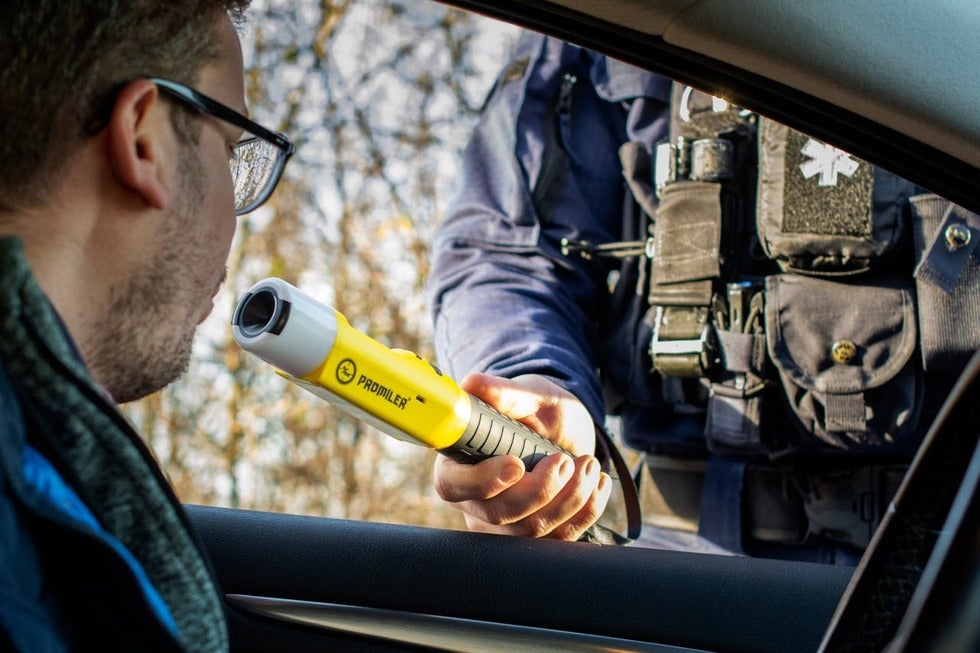
Understanding California Disorderly Conduct Laws
California disorderly conduct laws are a generalized legal theory that is generally linked to public intoxication. Very simply put, at its core, disorderly conduct is any type of conduct that serves to disturb the public order or peace. Under California Penal Code 647, disorderly conduct includes public lewd conduct, loitering, or using offensive language in public.
These laws have origins in the 19th century and were historically used to police the movements of marginalized communities, radically influencing law enforcement even today. Learning your local ordinances is important. Tensions are high enough as it is.
In practice, cities usually add specific acts, like sleeping in parks or public urination, to the definition of disorderly conduct. A conviction can result in up to 90 days in jail or a $400 fine, with ongoing civil and social ramifications.
Beyond Drunkenness: Broader PC 647 Scope
California Penal Code 647 goes beyond just drunken behavior. It covers things like loitering around taverns to ask for a drink, yelling foul language, or camping on the sidewalk. Context matters.
A person yelling may be charged if it sparks unrest, while another may face charges for loitering without a clear reason. Beyond disproportionately affecting marginalized groups, these laws perpetuate ableism and anti-homeless sentiments.
Thus, a person can be charged and convicted without ever actually harming anyone. It is sufficient to merely create the potential for disorder. This wide-ranging scope allows for significant prosecutorial discretion and often criminalizes everyday activities.
How Intoxication Fits The Disorderly Picture
Public intoxication by itself does not constitute disorderly conduct. If your drinking escalates into brawls, public yelling, or the obstruction of pedestrian walkways, then charges can pile up quickly.
The statute focuses on the nature of the disruptive conduct rather than the offender's BAC. To obtain a conviction, prosecutors need to prove that the defendant's condition posed a danger or menace to the public peace.
One incident—such as a drunken rant—can even trigger several charges, connecting intoxication to larger disorderly conduct.
Examples Of Disorderly Acts Under PC 647
-
Loitering by bars or public places
-
Shouting or cursing at strangers
-
Public urination or defecation
-
Sleeping in doorways or on sidewalks
-
Lewd behavior in public
-
Soliciting sex or drugs
-
Blocking traffic or causing fights
The seriousness of a disorderly conduct charge largely depends on the act and environment, as well as the specific offense involved. Evidence such as statements, video, and police reports is crucial in assessing intent and impact.
When Intoxication Becomes Disorderly Conduct
Public intoxication is the reality in any city with a nightlife scene or major sports event. Under the law, there's a very definite legal line between public drunkenness and disorderly conduct. Recognizing this distinction is key to staying out of jail. This line is important not only for the individual in question but for the community surrounding them.
It dictates the response from law enforcement, what likely charges will be brought, and the rights of all individuals in the vicinity. In the United States, the line is not always clear. In fact, it can vary from state to state or city to city. In Louisiana, for instance, public intoxication is a misdemeanor offense punishable by up to $500 in fines or six months in jail.
In most states, the law is confusing at best. The result, however, is that officers are left to use their discretion as to when an individual's intoxication stops being a disorder and starts being disorderly conduct.
A Dangerous Line
Animal cruelty becomes criminal when an individual's intoxication leads them to engage in disruptive behavior that puts themselves or others at risk. When their behavior blocks public space and interrupts the peace, it becomes more than drunkenness. Local ordinances frequently make people responsible for protecting their safety in public spaces.
They call for the safety of nobody but themselves, not risking harm to others. If drinking or drug use means someone can't meet that bar, or if their behavior disturbs those around them, charges of disorderly conduct may follow. The legal outcome depends on details: the nature of the disruption, the risk posed, and the officer's view of the situation.
Next, we'll dive deeper into how intoxication becomes disorderly conduct. To help paint this picture, we'll be sharing examples that bridge legal precedents with the lived experience of daily life in U.S. Cities.
1. Blocking Sidewalks Or Streets
One of the more insidious ways intoxication becomes disorderly conduct is when someone is blocking a public walkway. Perhaps you plan to sit or lie down in the center of a sidewalk. Or you can walk into a crowded roadway or join a mob that prevents people from going about their business.
These kinds of interventions really clog up safe foot or car traffic, leading to safety hazards and increased complaints. In reality, most cities have laws that explicitly protect the public's right to safe, open movement. Police will rush to reports of someone blocking a sidewalk or street because they are a risk of injury or death or slowing emergency responders.
Blocking public access is a Class B felony. You could potentially receive a citation, incur stiff fines, or even be arrested, especially if the obstruction is considered intentional and/or egregious. Underlying all of these examples, the main concern is public safety and access—two concepts that city ordinances and police departments love to protect.
2. Posing A Danger To Yourself
Intoxication becomes disorderly conduct when an individual's actions threaten their own safety. This might look like stumbling into a busy street, dozing off in a hazardous area, or not being able to react to simple warning signs. In these incidents, law enforcement or emergency responders are usually the first to intervene.
They do much more than enforce the law – they protect people from harm. The applicable legal standard is not whether the person can take care of themselves. If you refuse, you risk being charged with disorderly conduct. That can lead to a stay in a sobering center or even a hospital for psychiatric evaluation.
We agree that the focus should be on harm reduction. When the behavior becomes habitual or poses a risk to the safety of others, criminal consequences ensue.
3. Posing A Danger To Others
When an intoxicated person swings a bottle or gets ready to drive, they may endanger others. Disorderly conduct laws should only intervene when their unpredictable actions pose a threat to others. The law takes a remarkably expansive view of what constitutes being a “danger.
Direct harm could be something like shoving someone. Indirect dangers could be as simple as unintentionally starting a fire or directly threatening people in a public space in a loud, aggressive manner. In these instances, officers have the discretion to charge criminal charges.
They can incentivize victims to file civil lawsuits if an individual is injured or property is destroyed. The primary consideration is public safety, and penalties may be more severe when risk or injury is evident.
4. Starting Fights Or Being Aggressive
Aggressive acts such as yelling threats, pushing, and instigating violence usually result in immediate arrest. Police intervention occurs when there is aggression, regardless of any threat of harm. In other words, the simple possibility of future harm is sufficient.
These interactions can become dangerous very quickly, particularly in cities or during large public gatherings. The statute does not even require actual violence to justify charging someone with disorderly conduct—only the threat of a genuine risk of it. De-escalation must always be prioritized.
Officers can escort individuals apart or employ de-escalation strategies, yet if the hostility persists, arrest is imminent.
5. Causing Excessive Public Noise
Excessive public noise complaints are the second most common reason police are called for public intoxication. Chanting, shouting, singing loudly, or blasting music in public areas can be construed as a public nuisance, particularly when done late at night.
Most cities have noise ordinances that define excessive noise by a limit, usually measured in decibels or regulated by the time of day. Intoxicated individuals who violate any of these ordinances could be hit with a fine or an arrest.
The law looks at whether the noise interferes with others' rights to quiet enjoyment of their homes or public spaces.
6. Annoying Or Interfering With Others Significantly
Occasionally, an intoxicated person goes beyond that line and merely annoys or interferes with others significantly. This can include everything from heckling, cursing, or otherwise disrupting public proceedings. The law here is really quite subjective.
What qualifies as “annoying” can be left up to community standards and the discretion of the officer. If the intoxication prevents others from enjoying public spaces or interrupts peaceful assemblies, then charges of disorderly conduct may ensue. The key issue is whether or not an intoxication is impacting the lawful behavior of others.
7. Damaging Property While Intoxicated
Property damage—whether by smashing windows or vandalizing vehicles—easily falls under disorderly conduct. Under the law, it doesn't matter that a person's intoxication led them to make poor decisions; they are still punished for what they did while drunk.
This can result in both criminal charges and civil lawsuits to recover the cost of repairs. Penalties increase further if the damage is costly or habitual.
8. Resisting Or Obstructing Officers
When an intoxicated person gets into a scuffle with or resists the commands of officers, these individuals can be slapped with additional charges. Requisite criminal conduct, resisting arrest or obstructing officers, a serious charge in its own right, is tacked onto any base disorderly conduct charge.
These instances can be murky, with officers required to demonstrate unambiguous proof of defiance. Courts do not dismiss these charges lightly because they strike at the heart of upholding police authority and public order.
9. The Subjective Line: Officer Discretion
Much of what qualifies as disorderly conduct is left to the discretion of the officer on the scene. They make determinations about risk, about disruption, about intent. This discretion means that the same situation can yield wildly different outcomes.
Bias—whether intentional or unconscious—can factor in. Training and clear guidelines can go a long way, but the subjective nature of these situations makes legal outcomes unpredictable.
How Police Assess The Situation
When police respond to calls for service related to public intoxication, the police approach is systematic and driven by objective standards. They don't act on a hunch or suspicion. They witness, report back, and evaluate against what is expected, normal, and appropriate for their local environment and context.
This makes it a particularly important provision to guarantee equity in bustling metropolitan areas such as San Francisco, which is notorious for its bustling nightlife and frequent public gatherings.
Key Behaviors Officers Observe
Police watch for certain signs when judging intoxication. Slurred speech, swaying, or trouble standing signal impairment. Officers note if someone is loud, confrontational, or unable to respond to simple questions.
Body language and facial cues matter—red eyes, disheveled clothing, and confusion can be telling. Verbal exchanges play a big role, too. Aggression or incoherence makes an impression.
Consistency in these behaviors across time and settings strengthens an officer's assessment.
Evaluating The Level Of Disturbance
The second step involves evaluating the level of disturbance. Police gauge whether the person's actions disturb others or cross legal noise limits, like the 85-decibel threshold after a warning.
Chronic neighborhood or establishment complaints should set off alarm bells. If the situation gets rowdy—brawls, screaming, or obstructing traffic—law enforcement can ramp up their tactics, particularly if the scene has already received multiple warnings to disperse.
Considering Witness Statements
Witnesses' accounts create the narrative. Witnesses can be key in establishing what happened. Their testimonies play a pivotal role in piecing together what actually happened, particularly in situations with high confusion or in crowded environments where misidentification is possible.
Police take all of these viewpoints into account, looking for contradictions. Credible accounts, corroborated by video or other evidence, assist officers and courts in determining whether conduct was truly disorderly.
The Role Of Community Standards
What drives these calls is the local norms. What is considered “disorderly” behavior can vary from community to community or from city to city. Cultural context—such as tolerance for nightlife, often referred to as “sin tolerance”—makes a difference.
Police and courts rely on these standards to determine where actions go too far.

Comparing Penalties: Intoxication Vs. Disorderly
Understanding the penalties for public intoxication and disorderly conduct means looking at how each offense is treated by the law. These two charges often intersect. They often lead to very different legal repercussions and specifically affect BIPOC individuals differently based on local and state laws.
Here's a direct comparison for clarity:
|
Offense |
Typical Legal Classification |
Maximum Jail Time |
Maximum Fine |
Other Penalties |
|
Public Intoxication |
Class B/C Misdemeanor/Summary |
180 days (Class B) |
$1,000 |
Community service, rehab |
|
Disorderly Conduct |
Misdemeanor/Summary |
Up to 180 days |
$500–$1 000 |
Criminal record, possible jail |
Consequences For Simple Public Intoxication
Consequences for Simple Public Intoxication are usually met with much milder penalties. In many jurisdictions, this offense is considered a class B misdemeanor. If found guilty, you might be sentenced to 180 days in jail plus a $1,000 fine.
Other states, like Texas, reduce it to a class C misdemeanor, with a fine only and no jail. First-time offenders are given a break more frequently—community service or court-mandated rehabilitation instead of time served.
Other states, such as Minnesota, go so far as not to mention public intoxication at all. Getting a grasp on the local rules is important, since penalties can vary drastically.
Stiffer Penalties For Disorderly Conduct
Stiffer Penalties for Disorderly Conduct involve criminal penalties where jail time is allowed. Fines begin at $500 for the first offense and can go up to $1,000 for subsequent offenses.
For defendants, a conviction can result in a permanent criminal record. If you have a history of convictions, judges can impose a stiffer penalty.
This is where legal assistance is essential because these charges frequently rely on extremely subjective judgments, such as whether your actions “disturbed the peace.
Factors That Increase Penalties
AGGRAVATING FACTORS can lead to increased penalties. Penalties increase further with aggravating factors—violence, threats, or repeat violations.
Previous record, injury to third parties, or endangerment of public safety may increase the terms of imprisonment or result in additional charges. Courts similarly seek grounds to mitigate penalties, like evidence of good behavior or absence of intent.
Putting these realities in front of a judge can make all the difference.
Lasting Effects Beyond The Courtroom
Public intoxication and disorderly conduct charges have ramifications that extend well beyond the courtroom. In Texas, the legal consequences of a public intoxication conviction—even one that has no jail time—can remain on an individual's permanent record for decades.
This criminal record has cascading effects on all aspects of everyday life, from securing employment to obtaining housing. These charges, often faced by young adults, can additionally alter an individual's self-identity and the way they're treated by society.
If an individual's charge is not their first, it can be raised to a Class B misdemeanor. This amendment means that there are harsher punishments for the perpetrator. For minors, the consequences extend to license suspension, mandatory classes, and community service. Each result has an inestimable impact on a person's life moving forward, often in ways that we can't initially foresee.
Impact On Employment Opportunities
A criminal record stemming from an arrest for public intoxication or disorderly conduct frequently poses a barrier to employment. Virtually every company conducts background checks and may reject applicants with a criminal background.
This is particularly the case in professions such as health care, education, and finance, where trust and clean records are paramount. Individuals may be able to seek rehabilitation or expungement, but the availability of those options varies based on the specific case and state law.
Challenges With Housing Applications
Landlords in Texas and across the country frequently use criminal background checks. As a result, even a minor conviction can cause a person's rental application to be automatically denied.
Applicants are often required to disclose their record, exposing them to discrimination or even denial, regardless of whether the offense was a low-level charge.
Potential Educational Roadblocks
Some colleges have been known to inquire about disorderly conduct convictions on admissions applications or when applying for financial aid. For certain programs—such as nursing or teaching—background checks are mandatory and strict, which may prevent individuals with a criminal history from being admitted.
Professional License Risks
Professions requiring a license—teachers, nurses, real estate agents—can have their licenses suspended or denied for such crimes. Though renewal is not the same as an initial approval, it does involve a look at any new convictions.
Access to legal assistance from Gorelick Law Office is crucial for those experiencing these challenges.
Immigration Status Implications
Immigrants who have been convicted of public intoxication or disorderly conduct can be deported. Legal rules are unforgiving, and these charges can trigger removal proceedings.
Having a great attorney like those at Gorelick Law Office by your side to help you through these difficult cases is key.
Crafting Your Defense Approach
Developing a strong defense in public intoxication cases involves more than pleading not guilty. The choices you make will influence the direction of your case, as well as your life. California law, and similar codes in other states, draw fine lines between being drunk in public and crossing into disorderly conduct.
With penalties starting at fines and including jail time—sometimes up to $1,000 for repeated offenses—there are serious consequences attached to these violations. Your strategy needs to align with local legal definitions, the particulars of the incident in question, and your own unique situation. Fortunately, with a little forethought, you can minimize the effect of these fees—or better yet, evade them entirely.
Was It Truly A Public Place?
The role of location in your defense is often the central issue in any defense. Not every place qualifies as “public” under California law. Getting drunk on your front porch or in a friend's backyard typically wouldn't be considered public intoxication. This situation is frequently under that legal bar.
Sidewalks, parks, and bustling city streets, on the other hand, nearly always meet the definition of public places. That distinction is very important. Disorderly conduct and public intoxication laws are already on the books, criminalizing disruptive behavior in public spaces that might affect other individuals.
If charged, you should take the time to examine precisely where the incident occurred. Was it truly a private residence, a commercial enterprise, or a public place? California Penal Code Section 647(f) defines a public place as any place open to the public. Courts have sometimes ruled that a semi-public place, like an apartment hallway, may or may not qualify depending on access and visibility.
The context—who was there, and if the general public could be offended—can make all the difference.
Did Your Actions Cause Disturbance?
Public intoxication is not enough by itself. Under the law, it matters whether your actions annoyed people or created a danger to public safety. Police reports and witness statements generally zero in on whether you were the one making noise, being aggressive, or obstructing other people.
The law looks at whether your actions would have caused a reasonable person anger or alarm. It is much more than just establishing whether you were at the scene. This is where intent comes into play. If you were just sitting on a park bench minding your own business, then the proposition that you are guilty of disorderly conduct crumbles.
Using eye-catching but disorderly tactics like shouting obscenities at legislators or blocking traffic would bolster the prosecution's case. Evidence—such as body cam footage or bystander accounts—can support claims that your behavior wasn't disruptive, or that you were not the one causing a scene. In others, individuals are charged with disorderly conduct for engaging in lewd acts. In fact, this behavior has nothing to do with intoxication.
Questioning The Proof Of Intoxication
In reality, authorities tend to use field sobriety tests, breathalyzers, and officer observations to determine intoxication. These tactics aren't safe. Field tests can be objectively tripped up by bad guidance or pre-existing medical issues. Breathalyzers can be vulnerable to calibration errors or misuse.
Questioning the proof of intoxication is a basic defense approach. If the arrest was made under the subjective criteria of the officer—such as the observation of slurred speech or unsteady gait—there are alternative explanations. Expert witnesses can help you explain how anxiety, fatigue, or medical issues could be a reason for behavior that looks like intoxication.
Sometimes, the level of intoxication is disputed: the defense may show you were not a risk to yourself or others at the time, which is key under California's legal standard.
Arguing Lack Of Disorderly Intent
That's because proving intent is generally difficult in these cases. To convict you, the prosecution needs to prove that you had the intent to create disorder or that you were being reckless. If you can show your actions were misunderstood or that you didn't intend harm, this can weaken the case against you.
Considerations such as mental state, extreme stress, or physical illness can account for atypical behavior without establishing disorderly intent. As with most things related to the law, context is key. The more that your witnesses can paint the picture of you being confused or disoriented, but not having disorderly intent, the better your defense will be.
Providing a simple, truthful story—what brought you there, what really occurred—will go a long way toward making your case more credible.
Protecting Your Constitutional Rights
Know your rights under the Fourth Amendment—protect them during an arrest. At other times, police bend the rules—forgetting to read you your Miranda rights, or pulling you over without probable cause. These mistakes may result in evidence being suppressed.
Having a strong understanding of your legal protections is key. Your right to remain silent and your right to counsel protect you from abuse and discrimination. An experienced attorney from Gorelick Law Office identifies these areas of violation and advocates for your constitutional rights.
If your constitutional rights were violated, the court will throw out or suppress any evidence that was improperly obtained, and often the prosecution will drop charges outright.
Seeking Alternative Resolutions (Diversion)
Realistically, not every single case involving disorderly conduct charges is going to go to trial. In many counties across California, diversion programs—taking a primarily educational or rehabilitative approach—provide a viable alternative. These alternative programs allow you to avoid a conviction by fulfilling certain obligations, like mandatory alcohol treatment.
Diversion is particularly beneficial for first-time offenders, reducing lasting impacts on employment or education. Upon successful completion of a diversion program, your disorderly conduct charge may be dropped or sealed from your record.
This is where the value of Gorelick Law Office comes in to help you understand your options and next steps. They make sure you get the most favorable outcome.
Navigating The California Legal Maze
California's legal system provides a straightforward path forward for public intoxication and disorderly conduct cases. Charting this course can be daunting without a clear understanding of what it takes to get there. State law considers public intoxication a crime only when a person is unable to protect themselves from harm.
It further covers them if they create a hazard to the public or obstruct public ways. When an arrest is made, understanding what occurs after that is essential.
What Happens After an Arrest
Once the police arrest you for public intoxication, they will start the booking process. They book you and put you in custody until you've had a chance to sober up or until your bail can be arranged. Occasionally, they'll release a person without charges if there's insufficient evidence to proceed.
For others, they might be in custody much longer. At this point, legal assistance from Gorelick Law Office is crucial. Miranda rights are frequently overlooked or misinterpreted due to an individual's condition.
Your Initial Court Date (Arraignment)
Your first court date (arraignment) is an important step in the process. At your arraignment, the court will read the charges against you. Here, you enter a plea: guilty, not guilty, or no contest.
An attorney from Gorelick Law Office can assist you in determining these avenues. They'll spot weaknesses too, like evidence problems or rights violations, that can strengthen your position.
Pre-Trial Steps And Negotiations
The pre-trial process is largely concerned with exchanging evidence, locating witnesses, and negotiating with prosecutors. Indeed, most cases end in a plea agreement or charges dismissed.
This is most common when the evidence shows you didn't commit a Penal Code Section 415 or any crime at all. Attorneys from Gorelick Law Office tend to negotiate for plea agreements or motions to dismiss.
Facing Trial Or Seeking Dismissal
If the case proceeds to trial, each party must prove its case with facts. Your attorney can pursue dismissal when evidence is scant or when your behavior isn't sufficient to meet legal thresholds.
Depending on the case, the outcome might include full acquittal, a fine, or enrollment in classes or other programs.
Why A California Defense Attorney Is Crucial
Dealing with a public intoxication charge in California means entering an often intimidating, confusing, and frustrating legal environment. Taking the legal road paved by California Penal Code section 647(f) can feel like a guessing game, where every little detail counts. The difference between public intoxication and a disorderly conduct charge comes down to what you do.
When a person pushes a door shut in front of someone else, it becomes much more serious. A defense attorney from Gorelick Law Office with local experience will be able to quickly spot any detail that is pivotal. They understand better than most defendants where to find holes in the evidence. They help break down what happened, like if someone was truly blocking a public way or just sitting quietly on a bench.
Legal consequences in these situations can have implications well beyond a courtroom appearance. Heavy fines, mandatory jail time, and even a suspended license are all real possibilities. A skilled criminal defense lawyer from Gorelick Law Office knows the dangers in your case. They are in a unique position to advocate for outcomes that will ensure the least long-term harm is done.
For people with prior convictions, a defense attorney can help prevent future penalties from being aggravated due to repeated offending. These legal pros are defenders of every individual's rights – they're the ones who really stand between their clients and police abuse. They look at whether the police followed protocol when making an arrest.
They even look into cases in which a person was tricked into providing a confession. If the victim was drugged and did not willingly get high, then the defense attorney can drive that point home. This tactical move can change public perception of the case and highlight the nuances of the disorderly conduct statute.
An experienced attorney from Gorelick Law Office will be able to help you understand how public intoxication charges differ from other offenses, such as disturbing the peace. They can better educate individuals about what the state needs to provide and direct them with concrete actions along each step of the way.
Final Remarks
To find where California's line between public intoxication and disorderly conduct lies, consider the circumstances. As it stands, a person should be able to drink in public without being guilty of a crime. When their behavior puts others at risk or obstructs normal existence, they have crossed the threshold. Law enforcers look for dangers to public safety, raucous brawls, or crazy behaviors. California's laws consider actual harm and not just the simple status of being a few drinks in. What courts are looking for is hard proof, not speculation. Penalties accumulate, so the consequences can be serious. An effective defense is one grounded in the facts.
Advice for individuals facing these charges: If you find yourself facing these charges, seek competent legal assistance from Gorelick Law Office. Whatever the case, know your rights, know the law, and don't hesitate to call in help. Be safe, and stay out of trouble.
Frequently Asked Questions
1. What Counts As Public Intoxication In California?
In California, public intoxication laws define the offense as being visibly drunk or under the influence of drugs in a public place, where the individual is incapable of taking care of themselves or obstructing public thoroughfares, which can lead to a disorderly conduct charge.
2. How Does California Define Disorderly Conduct?
In California, disorderly conduct is defined as behavior that poses danger, disturbs the peace, or shocks the moral sense of the community, often falling under public intoxication laws.
3. When Does Intoxication Become Disorderly Conduct In California?
In California, intoxication becomes disorderly conduct when an individual engages in offensive behavior, such as creating a disturbance or putting someone at risk, which can lead to a disorderly conduct charge.
4. How Do California Police Decide If Someone Is Disorderly?
How do California police determine if someone is engaging in disorderly conduct? They assess whether the individual is creating a public nuisance, acting violently, or obstructing others. Simply being intoxicated isn't enough; the specific behaviors exhibited while under the influence are what truly matter.
5. Are Penalties Harsher For Disorderly Conduct Than Public Intoxication?
Yes. Are penalties harsher for disorderly conduct convictions than public intoxication laws? Public intoxication is often treated less severely with an aim toward safety and rehabilitation.
------------------------------------
Charged With Public Intoxication In California? Take Back Control Of Your Future
A single charge. A single night. And suddenly, everything feels like it's spinning out of control. If you've been accused of public intoxication in California, the stress, confusion, and fear can be overwhelming. Will this go on your record? Could it affect your job or your future? You're not alone—and you don't have to face this alone.
At Gorelick Law Office, we know that one misstep shouldn't define your entire life. With more than 30 years of criminal defense experience, Lynn Gorelick has helped countless individuals in your situation take back control and move forward with confidence. We don't judge—we defend your rights, protect your reputation, and fight for your future.
This isn't just about getting through a legal process. It's about giving you the guidance, support, and powerful legal strategy you need to face the system head-on—and come out stronger. From breaking down your charges to building a tailored defense, we'll be by your side every step of the way.
Don't let one moment derail your future. Contact Gorelick Law Office today for a free consultation. The sooner we begin, the stronger your defense can be.
You deserve clarity. You deserve support. You deserve a second chance. Let's fight for it—together.
Disclaimer
The materials available on this website are for informational and entertainment purposes only and are not intended to provide legal advice. You should contact your attorney for advice concerning any particular issue or problem. You should not act or refrain from acting based on any content included in this site without seeking legal or other professional advice. The information presented on this website may reflect only some current legal developments. No action should be taken based on the information on this website. We disclaim all liability concerning actions taken or not taken based on any or all of the contents of this site to the fullest extent permitted by law.


