
Key Takeaways
-
Here's what you should know about DUI checkpoints in Alameda and Contra Costa counties. They are legal, but the police must adhere to specific guidelines in order for them to be constitutional and for them not to infringe on your rights.
-
You're entitled to expect that checkpoints are approved by supervising officers, use unbiased vehicle selection formulas, and take place in secure, appropriate sites with obvious official signage.
-
When pulled over, you'll usually be requested for your license and registration. You don't have to answer anything further than this, and you can remain silent to preserve your 5th amendment right against self-incrimination.
-
If you think a checkpoint stop or search was illegal, you can always push back through the proper legal process. You should record the encounter for your own safety.
-
Field sobriety tests and officer observations might be utilized to evaluate impairment, but you should recognize the consequences of declining breathalyzer or field tests. This can lead to immediate penalties like license suspension.
-
To play it safe, take public transport or rideshares if you plan to imbibe, and know your rights and how your local cops operate for your own safety and legal protection.
You'll find that police establish these stops to catch impaired drivers, and they adhere to rigid regulations dictated by state and federal law. The key is that they work to keep our roads safe by putting a halt to drunk driving. While police must post a public notice before a checkpoint, they cannot stop cars at random. Spotting signs, cones, and uniformed officers is there. The processing at a checkpoint is brief, and you just have to respond to basic inquiries unless cops observe obvious symptoms of intoxication. If you want to know what rights you have and what to expect at a checkpoint in these countries, keep reading for key rules and tips.
The Legality Of DUI Checkpoints
DUI checkpoints in Alameda and Contra Costa counties are legal only if law enforcement adheres to strict guidelines. Both the U.S. and California Supreme Courts have upheld that DUI sobriety checkpoints are constitutional public safety tools, provided your Fourth Amendment rights are safeguarded. Striking a balance between public safety and these rights is crucial, as protecting you from unreasonable searches and seizures is paramount. It is legal because the potential danger of drunk drivers on our streets outweighs the brief inconvenience to the stopped motorists. A single deviation from the rules can give you or your DUI attorney grounds to contest the legality of your stop or arrest.
1. Supervisory Approval
Approval from a supervising officer is not a mere formality; it is a legal mandate ensuring that the DUI sobriety checkpoint is established and operated under stringent supervision. The commanding officer must authorize the plan, select the site, and supervise the operation, which prevents random or discriminatory enforcement. Good documentation on who authorized the checkpoint and how it was conducted is essential, as bypassing this step could result in a dui charge being contestable in court, leading to suppressed evidence or dismissed charges.
2. Neutral Formula
To maintain fairness during a dui sobriety checkpoint, police must employ a neutral, nondiscretionary method to determine which cars to pull over, such as halting every fourth vehicle. This approach aims to prevent officers from focusing on individuals based on prejudice. The formula utilized must be documented, as any deviation from the plan can serve as a basis for a challenge in a dui case. Arbitrary vehicle selection undermines the checkpoint's validity.
3. Safety Conditions
Safety comes first at a DUI sobriety checkpoint. The checkpoint must be located where there is sufficient room for vehicles to be stopped without jeopardizing safety and for officers to conduct their work without risking injury. Because of the bright lights, signs, and cones, everyone sees the checkpoint, even at night. Officers have to manage traffic to prevent accidents, ensuring effective DUI enforcement. If the setup is hazardous or insufficiently marked, it's invalid.
4. Reasonable Location
The site for a DUI sobriety checkpoint must be designated based on accident and traffic information, particularly in areas where there have been multiple DUI incidents. Busy roadways that have seen a high volume of DUI-related arrests or crashes are a popular option, as they serve as a deterrent against impaired driving. The reasoning for the location must be documented well to avoid any claims of harassment or entrapment.
5. Time And Duration
In fact, DUI sobriety checkpoints are typically conducted during late-night or early-morning hours when impaired driving incidents increase. They shouldn't last so long that they create traffic jams or annoy drivers. Holiday weekends or public events tend to have more DUI checkpoint activity. The length and timing must be publicized in advance so motorists can schedule around them.
6. Official Nature
A legitimate DUI sobriety checkpoint appears credible, with clear signs, police vehicles, and uniformed officers present. This not only deters impaired driving but also reassures the public of its legitimacy. Law enforcement officers must adhere to strict guidelines, ensuring all procedures are well-documented to avoid challenges during a DUI investigation.
7. Minimal Detention
According to the law, your stop at a DUI checkpoint has to be quick. Officers should only ask a few questions and look for signs of impaired driving. If you're exhibiting no signs, you should be permitted to get out of there quickly. Unjustified delays or invasive questioning can violate your Fourth Amendment rights and get evidence tossed in court.
8. Advance Publicity
Police must notify the public about DUI checkpoints in advance through online platforms, news outlets, and social media. This transparency aims to promote road safety and prevent impaired driving incidents, ensuring that drivers are aware of DUI enforcement efforts and can make informed choices.
Navigating A Checkpoint Stop
DUI sobriety checkpoints are prevalent in Alameda and Contra Costa counties, established by law enforcement agencies. These checkpoints are not arbitrary; their locations are determined based on the history of DUI incidents in the area. Officers must adhere to a predetermined system, such as stopping every third or fourth vehicle, to ensure they avoid profiling. If you find yourself at a DUI checkpoint, understanding your rights and knowing what to expect can significantly help you navigate the stop with confidence.
-
The officers will direct you to slow down and pull up in line.
-
They'll want to see your license, your registration, and your insurance. These are compulsory and you ought to have them at hand before you arrive in front of the officer.
-
The officer might inquire where you're headed or whether you've been drinking. These are standard questions, and you don't have to say anything except give your papers.
-
They might have you roll down your window for a quick chat or to detect slurred or booze breath.
-
If the officer thinks you're impaired, they could request that you exit the vehicle for a field sobriety test or a preliminary breath test.
-
If you're arrested, you can ask for a lawyer before answering additional questions.
During the traffic stop, you have the right to remain silent. You are not obligated to answer questions regarding drinking or other potentially self-incriminating details. For example, if a police officer asks, “Have you had anything to drink tonight?” you can politely decline to answer. However, it's important to note that you cannot refuse to provide identification or vehicle documentation, as those are required by law. Failing to present your driver's license can lead to significant legal repercussions.
If you are asked to take a breath test or a blood test, refusing can result in severe penalties. In California, refusing a chemical test after a lawful DUI charge will almost always result in a license suspension lasting more than one year. This rule is strictly enforced, even if you are not ultimately convicted of a DUI. While field sobriety tests are voluntary, it's crucial to remember that the officer may arrest you if they have probable cause.
If you prefer to avoid a DUI checkpoint altogether, it is not illegal to turn around or take an alternate route. Just ensure that you do so safely and without violating any traffic laws. Making a sudden illegal U-turn or engaging in reckless driving can give an officer a valid reason to pull you over for a separate traffic offense.
Your Constitutional Protections
DUI checkpoints in Alameda and Contra Costa counties must adhere to the parameters established under the U.S. and California Constitutions. The Fourth Amendment protects you from unreasonable searches and seizures during a DUI investigation. While DUI sobriety checkpoints are legal in California, law enforcement must follow strict guidelines to avoid crossing constitutional boundaries. If you believe your rights have been violated during a DUI stop, you're not defenseless and should seek an experienced DUI attorney.
-
You can say no to a search unless cops have cause.
-
You can always assert your right to remain silent beyond giving them your license and registration.
-
You can request a lawyer at any point if you feel uncertain.
-
If you believe your stop or search was illegal, you may contest it in court.
-
To complain, collect information about the officers, timing, location, and events.
-
Reach out to an attorney to help review your matter and guide you on the next steps.
Unreasonable Searches
Unreasonable searches at a DUI checkpoint occur when law enforcement officers exceed legal limits. Officers can't search your car or belongings simply because you happen to be at a sobriety checkpoint. They require probable cause or your explicit consent to take it further. If they request to search your car or luggage, you have the right to decline unless they have probable cause, such as witnessing incriminating items in plain view. If you're pushed or coerced, it can become a rights issue, potentially impacting your DUI defense.
What you should realize is that the first stop at a checkpoint is quick and narrow. Officers may inquire as to where you are coming from or look for evidence of intoxication, but they cannot search you or your vehicle without probable cause. If they do, that evidence can be challenged and even tossed out in court. Hear out, but never be pressured to consent to a search you don't want.
Probable Cause
Probable cause is an important legal term that means police need to have facts or evidence to believe you might be committing a crime. At DUI checkpoints, this signifies more than just showing up. They must observe something like slurred speech, alcohol smell, or erratic driving to advance past a fundamental stop. If they don't have such signs, they can't legally arrest or search you.
If you're stopped, record what is said and done. If police allege probable cause, inquire as to what it might be. File your own experience if it helps you defend your rights later. Simply being at a checkpoint does not mean you are guilty or that you can be searched.
Right To Remain Silent
You always have the right to remain silent at a checkpoint. It is the protection of the Fifth Amendment. You just have to provide your name, driver's license, and registration. You don't have to answer questions about where you've been or what you've done, or say if you've been drinking.
Silence is golden — exercising your constitutional right against self-incrimination can spare you from prattling on about things you shouldn't be talking about. If you feel jittery, you can request an attorney before responding to any additional inquiries. Keeping calm and polite while exercising this right is usually the best course of action.
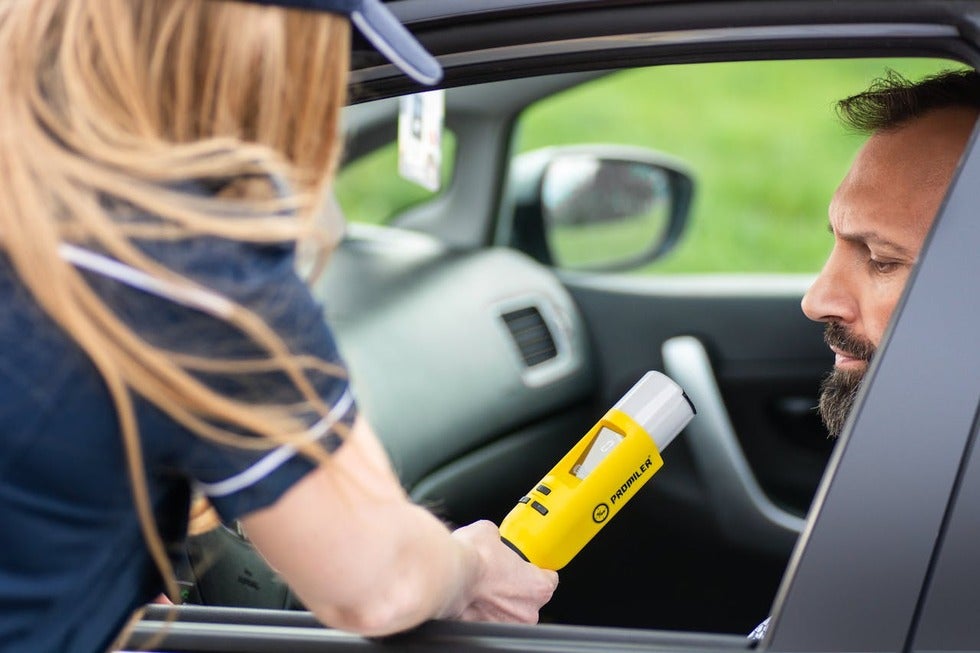
Can You Avoid A Checkpoint?
DUI checkpoint laws in Alameda and Contra Costa counties, as in the rest of California, are guided by state and constitutional law. While these sobriety checkpoints are legal, understanding your rights as a driver is crucial. This part dissects your legal options and actions if you encounter a DUI sobriety checkpoint ahead on the road.
-
Yes, you can avoid a checkpoint if you see one. There's a right and wrong way to do so. CA law says that it's not illegal to turn around or take another route unless you break traffic laws or endanger other people. For instance, doing a U-turn where it's not allowed or cutting someone off without signaling will get you pulled over by the police. If you legally avoid the checkpoint without violating anything, that does not provide the police a lawful basis to seize you. Still, steer clear of foolhardy actions. If cops observe you making a strange or unsafe turn around the checkpoint, they will assume you are attempting to conceal something. This will yield a legitimate stop if you violated a traffic law.
-
Knowing where DUI checkpoints are located allows you to make wiser decisions before you even get behind the wheel. California, for example, insists that checkpoints be announced ahead of time and that they be located in places with a history of drunk driving. Police have to put up clear signs and use flashing lights to indicate a checkpoint is underway, so you'll be aware of what you're driving into. Many people check local news, police social media, or community message boards for planned checkpoints. This assists you in mapping out your course, particularly if you wish to evade any holdups or you know you'll be out during typical checkpoint times. Recall, checkpoints are meant to keep roads safe, not to fool motorists, so they're not hidden.
-
If you're planning to drink, the surest way to beat a DUI checkpoint and possible charges is not to drive. Taking an Uber, a cab, or public transportation are good choice. This gets rid of any doubt about dodging a checkpoint and avoids the risk of legal woes. In cities, these services are usually available 24/7, so it's a secure option. A ride is much cheaper than a DUI with its fines, legal fees, lost license, and all the other collateral impacts.
-
Know your rights at any checkpoint. Police don't need probable cause to pull you over at a checkpoint, but they do have to follow rigid rules. If they don't follow due process, like posting appropriate signage, randomly selecting cars, or working in a known drunk-driving area, a lawyer can fight the stop in court. Information obtained unconstitutionally may be excluded. Being aware of this information can help you defend your rights should you ever be charged as a result of a checkpoint stop.
Beyond The Breathalyzer
Goes far beyond a breathalyzer test at DUI sobriety checkpoints in Alameda and Contra Costa counties. Once you go through one of these checkpoints, the law acknowledges a spectrum of investigative devices and privileges. Law enforcement officers do more than request a breath test; they employ their training to seek indicators that might suggest impaired driving. California law and the Fourth Amendment also influence how DUI enforcement operates, centering on balancing community safety and your rights. Even the location of these DUI checkpoints, where officers elect to deploy this resource, demonstrates a judicious approach, with many being aimed at known DUI ‘hot spots.' Being informed about the process and the legal nuances aids you in making decisions that safeguard your rights.
Officer Observations
Officer observations are a critical component of DUI investigations, particularly at a DUI sobriety checkpoint. Once you enter this checkpoint, experienced law enforcement officers will seek visible indicators of intoxication — bloodshot or watery eyes, slurred speech, and alcohol odor, among other things. They might also keep an eye out for trembling hands or staggering when you provide your paperwork. These observations aren't insignificant; they hold actual significant value in prosecuting a DUI charge against you. Sometimes, what an officer jots down in his report can influence the entire result of your DUI case. If you're calm and keep your language precise, this can help. Recording your own actions during the stop, if possible, can be key to your DUI defense if the case makes it to court.
Field Sobriety Tests
If an officer suspects you might be under the influence, you may be asked to perform field sobriety tests. These tests evaluate your balance, ability to follow directions, and multitasking skills. You might be required to walk in a straight line or touch your nose with your eyes closed. While you can refuse these tests, doing so may lead to immediate consequences, such as the loss of your license, as mandated by state law. The results from these tests are critical in a DUI case, often used in court. Factors like the method of testing or the location, such as a sloped surface, can result in errors that an experienced DUI attorney can leverage to challenge the officer's findings during a DUI investigation.
The Human Element
DUI checkpoints, on the other hand, always involve an element of judgment from the officer. Regardless of their training, each officer brings their own background and thinking to the situation. An officer's momentary decision to conduct further tests, such as a breathalyzer test, or release you can be influenced by factors like exhaustion, fatigue, or even prejudice. This is why, for instance, two drivers with comparable facts may receive different results. If you're jittery, you're not alone—lots of folks say they sweat these stops, while others find relief in awareness of their rights. If your DUI case becomes complex, an experienced DUI attorney can help you navigate the influence of officer discretion and contest evidence-gathering practices.
Local Checkpoint Effectiveness
Local DUI sobriety checkpoints in Alameda and Contra Costa counties play a crucial role in enhancing public safety and shaping attitudes toward drunk driving. These checkpoints are strategically placed at locations notorious for DUI issues, aiming to stop impaired drivers before they can cause harm to themselves or others. The effectiveness of these checkpoints extends beyond mere arrests; American and international studies indicate that they can reduce incidents of drunk driving by as much as 20%. This reduction is not solely due to law enforcement apprehending drivers in the moment, but also because the awareness of these checkpoints encourages individuals to think twice before getting behind the wheel while buzzed.
The placement of DUI checkpoints is most impactful in areas with a history of DUI crashes or arrests. Law enforcement agencies utilize data to select these critical locations, often processing between 400 and 1,200 vehicles at a single checkpoint in California. Although the actual arrest rate is low—typically less than one percent of all cars stopped—the true value lies in their deterrent effect. Many individuals, upon hearing about an upcoming checkpoint, will either choose an alternative route or decide against drinking altogether. Publicizing these checkpoints through news reports, social media, or posted signs significantly enhances their effectiveness, making people more likely to reconsider driving while impaired, even if they don't actually pass through a checkpoint.
|
Checkpoint Impact Data (California) |
Value |
|
Typical Vehicles Screened per Checkpoint |
400–1,200 |
|
DUI Arrest Rate at Checkpoints |
<1% |
|
Estimated Reduction in Drunk Driving Incidents |
up to 20% |
|
Annual Statewide Checkpoints |
Several hundred |
|
Funding Source |
Federal grants |
|
Key Benefit |
Prevention over arrests |
Community feedback is essential when assessing the effectiveness of these DUI enforcement measures. While some residents appreciate knowing that law enforcement is actively searching for impaired drivers, others express concerns regarding privacy and the right to free passage. There are compelling arguments on both sides. Proponents of sobriety checkpoints argue that even a single life saved justifies the extensive police work involved. They highlight that these stops provide officers with opportunities to engage with the public, educate them on the dangers of drunk driving, and offer support to those struggling with substance abuse issues. Critics, however, question whether the low arrest totals justify the resources spent on these operations.
Another approach to evaluating the success of DUI checkpoints is to analyze trends in DUI crashes and charges over time in areas where these stops are prevalent. Statistics reveal that locations with frequent checkpoints experience a decline in alcohol-related accidents and fatalities. The real triumph lies in the lives saved and the injuries avoided. While no system is infallible, the efforts of DUI checkpoints in Alameda and Contra Costa counties underscore the significant connection between deterrence, community education, and improved road safety.
Conclusion
So you know DUI checkpoints are legal in Alameda and Contra Costa counties. Police use them to check for impaired drivers and to keep roads safe. You have rights at a stop. You don't have to answer all of their questions, but you cannot refuse lawful commands. Every stop looks a little different, but the rules remain clear. Local police establish these checks according to crash data and drinking trends. They find less drunk driving in the vicinity of active checkpoints. You have options at these stops. Knowing your rights keeps you out of stress and trouble. For more tips on how these stops work, check out your local police updates. Be informed and defend your rights on every drive.
Frequently Asked Questions
1. Are DUI Checkpoints Legal In Alameda And Contra Costa Counties?
DUI checkpoints are legal in Alameda and Contra Costa counties, provided law enforcement agencies adhere to strict guidelines to protect your Fourth Amendment rights.
2. What Should You Do If You Approach A DUI Checkpoint?
Don't panic during a dui checkpoint; comply by stopping and presenting your driver's license if requested. Be nice and cooperative with the officers.
3. Can You Legally Avoid A DUI Checkpoint?
Of course, you can turn away from a DUI sobriety checkpoint as long as you can do so safely and legally. Avoid making illegal turns or other moves that might give law enforcement officers an excuse to pull you over.
4. Do DUI Checkpoints Violate Your Constitutional Rights?
No, DUI sobriety checkpoints don't violate your constitutional rights if law enforcement officers adhere to procedure. The US Supreme Court has said these checkpoints are legal as long as they respect your rights.
5. What Happens If You Refuse A Breathalyzer At A Checkpoint?
Refusing a breathalyzer test at a DUI checkpoint attracts its own penalties, including license suspension. Laws differ, but refusal can be considered an admission of guilt in court.
6. How Effective Are DUI Checkpoints In Reducing Drunk Driving?
DUI sobriety checkpoints are effective in reducing drunk driving incidents, serving as a deterrent that enhances road safety for the entire community.
7. Are Officers Required To Publicize DUI Checkpoints In Advance?
Yes, law enforcement officers must provide notice of DUI sobriety checkpoints, ensuring transparency and protecting your Fourth Amendment rights at these traffic stops.
Protect Your Future: Your Rights Matter After A DUI Arrest
A DUI arrest can turn your life upside down. Your license, your record, and your future are all on the line, and every decision you make from this moment forward matters. The legal system moves fast in these cases, and without the right defense, you risk serious penalties that can follow you for years.
At Gorelick Law, we understand how overwhelming this situation feels. Our team has spent decades defending people facing DUI charges and guiding clients through the confusion of DMV hearings, court deadlines, testing issues, and rights violations. We focus on protecting your freedom, challenging the evidence, and making sure law enforcement plays by the rules.
You don't have to navigate this alone. Visit Gorelick Law to learn how we can safeguard your rights and build a strong defense from day one. Call for a free consultation and get a dedicated advocate in your corner. Your future is worth protecting, and we're ready to fight for you.

