
Key Takeaways
-
Probable cause must exist for police to arrest you for DUI in California. The state's courts have recognized that detentions and searches must be supported by reasonable grounds that are specific and objective.
-
Police can briefly detain you with reasonable suspicion, but require additional inquiry and objective indicators to establish probable cause for a DUI.
-
Documented driving behaviors, field sobriety tests, and chemical analysis are important in supporting or challenging probable cause during DUI investigations.
-
Illegitimate detentions or arrests without probable cause can lead to case dismissals, evidence suppression, and even civil claims against law enforcement agencies.
-
You have the right to remain silent, to refuse certain tests, and to ask for a lawyer during DUI stops. It's important to know your rights and how to assert them.
-
Going through police reports and consulting lawyers is important when fighting DUIs, particularly if there is evidence of officer prejudice or technical foul-ups.
Probable cause means the officer needs to have obvious evidence or indicators to believe an offense has occurred, such as observing dangerous driving or detecting alcohol on your breath. For a reasonable stop, you need more than a guess or a hunch. If the officer stops a car, the reason must relate to actual indicators of potential DUI. Laws protect you against random stops and require police to follow strict rules. Knowledge like this enables individuals to know their rights and the boundaries of police power. The sections below detail what constitutes probable cause, how stops operate, and what to do if your rights are violated.
Understanding Probable Cause For DUI
Probable cause is a principle of law that reins in police authority and safeguards individuals from unreasonable searches and arrests. In California, it's the linchpin that allows an officer to make a lawful stop or DUI arrest. The requirement for probable cause stems from the Fourth Amendment to the U.S. Constitution, which protects individuals from arbitrary searches or seizures by the government. This ensures that no stop or arrest can occur merely on a whim. Instead, it has to be based on objective facts that indicate potential criminal conduct.
If a law officer in California desires to sideline a driver for DUI, they first need to notice some behavior or acts that make them believe the driver is committing an offense. These indicators can be as obvious as a car weaving between lanes or as simple as a motorist blowing through a stop sign. Other minor indicators, such as a vehicle departing a bar-dense region late at night, can likewise contribute. These facts provide the officer with the foundation for what is known as reasonable suspicion. Only after that suspicion is established can an officer initiate a DUI stop, which can result in tests or further questioning. If the facts get even stronger, such as smelling alcohol or seeing a bottle in the car, the officer may then have probable cause for an arrest.
The law makes room for one main exception: the sobriety checkpoint. Law enforcement is able to pull over drivers at these checkpoints without probable cause for suspicion for each individual. Such stops are legal provided that the checkpoint, per se, satisfies court-imposed guidelines. The probable cause standard is rigorous. Without it, any evidence or reason an officer locates may not be used in court.
Here is a table that shows the difference between what makes up probable cause in DUI cases and what the Fourth Amendment protects:
|
Element |
Probable Cause in DUI Cases |
Fourth Amendment Protections |
|
Basis for Action |
Specific facts (e.g., erratic driving) |
Freedom from searches/seizures |
|
Standard Required |
Reasonable suspicion, then probable cause |
Probable cause before search/arrest |
|
Examples |
Running a stop sign, alcohol odor |
No stop/arrest without cause |
|
Exception |
Sobriety checkpoints |
None (except lawful exceptions) |
|
Remedy for Violation |
Motion to suppress (PC 1538.5) |
Exclusion of evidence |
If an officer stops, questions, or arrests a driver without probable cause, the stop is not legal under California law. Your best remedy here is usually filing a “motion to suppress” evidence via PC 1538.5. That's because of the legal principle called the “fruit of the poisonous tree,” which means that evidence obtained following an unlawful stop cannot be utilized to prosecute the individual in court. This rule exists to keep police honest and to ensure the rights of all drivers are not overlooked.
Can Police Detain You Without Probable Cause?
California DUI law, informed by the Fourth Amendment, delineates a clear boundary between reasonable suspicion and probable cause for police stops and detentions. When it comes to DUI arrests, these standards direct each step, from the initial traffic stop to a potential arrest or release. Understanding what law enforcement officers require before detaining someone for a DUI offense is crucial for anyone winding through the legal system or concerned about their own rights.
1. The Initial Stop
A lawful traffic stop must be supported by reasonable suspicion, particularly in the context of DUI arrests. Police have to observe a traffic violation or an obvious sign of impairment, such as swerving or running a red light. Mere hunches will not suffice. Officers are trained to recognize specific driving patterns, including weaving between lanes and sudden halts, which may indicate impairment. These objective facts, if properly documented, provide the foundation for the DUI case's justification and can significantly influence the legality and outcome of the DUI investigation that follows.
2. Developing Suspicion
Once a valid traffic stop is made, officers look for additional indicators of DUI, such as slurred speech, the odor of alcohol, glassy eyes, or confusion. These signs may lead to a roadside DUI investigation. Shaky hands when handing over papers or confusion about simple questions can also arouse suspicion. Field sobriety tests are commonly employed to validate or dismiss these suspicions. Officers must rely on hard facts uncovered during the stop, not personal biases or unreliable impressions.
3. The DUI Detention
If information from the initial traffic stop and subsequent interaction provides reasonable suspicion of a DUI offense, the officer can detain the driver temporarily to conduct questioning and testing. During this detention, the driver has rights: to know why they are being held, to decline certain tests, and to remain silent. Officers need to clarify that the detention is for possible DUI. Based on field sobriety tests or breathalyzer results, it could lead to a DUI arrest, release, or further investigation.
4. Unlawful Detention
A detention is deemed illegal if the officer lacks reasonable suspicion or probable cause, which can have serious implications for a dui case, potentially leading to charges being dropped. Any evidence obtained during an unlawful activity, such as breathalyzer results or officer observations, may be excluded from court as ‘fruit of the poisonous tree'. Experienced DUI defense attorneys often move to suppress evidence in such situations. Keeping detailed notes about any suspicious traffic stop or detention is crucial for contesting the legality of police action in court.
5. Checkpoint Exceptions
California DUI law allows DUI checkpoints as long as police adhere to strict rules, including advance public notice and neutral selection of vehicles. Unlike a normal traffic stop, probable cause is not necessary to stop every car; however, police must still have a valid reason for any further detention or arrest. Motorists retain the right to refuse to answer questions or take field sobriety tests at sobriety checkpoints, as these exceptions are tightly controlled to balance public safety with constitutional rights.
What Establishes Probable Cause?
Probable cause is a concept rooted in the Fourth Amendment to the US Constitution, safeguarding individuals against unreasonable searches and seizures. In California, law enforcement officers must meet this standard before making a DUI arrest. Probable cause requires distinct facts, rather than mere speculation, that lead a reasonable person to believe a driver is impaired. These facts can come from various sources, including physical findings, officer observations during a traffic stop, and statements from drivers or witnesses. Both factors are essential to building a strong DUI case that can withstand scrutiny in court.
Objective Evidence
Objective evidence means physical or scientific evidence that is not based on subjective determinations. In DUI cases, this sort of evidence is gold — you can quantify it, and you can record it. The most common types are chemical test results, such as a breathalyzer or blood test. These tests reveal the precise levels of drugs or alcohol in the driver's bloodstream, providing definitive figures and not conjecture. Another example is dashcam videos depicting reckless or erratic driving or photos of open containers of alcohol in the vehicle.
How law enforcement officers document and preserve this evidence is crucial. Errors in breathalyzer calibration or mishandling of blood samples can lead to the dismissal of evidence in court. Meticulous record-keeping is vital, as any gaps could jeopardize the DUI case. Objective evidence is powerful because it can directly link a suspected driver's condition to a crime, either supporting or challenging probable cause claims.
Officer Observations
-
Bloodshot or watery eyes
-
Slurred speech or slow responses
-
Alcohol or drug odor from the driver or vehicle.
-
Unsteady movement, such as swaying or stumbling
-
Difficulty with vehicle controls or field sobriety tests
Police depend greatly on what they observe, hear, and smell during a DUI stop. These may include a driver running a stop sign, swerving, or speeding, behaviors that indicate impairment. Officer training drives how these signs are observed and documented. Most officers are trained in impaired driving detection, which can help them identify patterns or signs that an average person might not see.
Subjective interpretation is at risk. Two officers may perceive the same conduct differently based on their experience or prejudice. For instance, nervousness or tiredness can appear like intoxication, causing errors. That's why courts frequently evaluate officer observations with other forms of evidence to determine if probable cause actually exists.
Your Statements
What factors could establish probable cause? Confessing to boozing, drugs, or even attending a party is fair game. These statements stand as direct evidence and can provide a nudge for police weighing a DUI arrest.
What most people don't realize is that self-incrimination—volunteering guilt without coercion—makes it far easier for cops to get away with it. Knowing your rights is key. In the majority of jurisdictions, you can shut up and not provide any inculpatory information. Anything you volunteer can and will be documented in the police report and later used in court to bolster probable cause. That is why lawyers frequently recommend motorists to be courteous but not to respond to self-incriminating queries.
Your Rights And Police Actions
Knowing your rights at a California DUI stop allows you to navigate the situation smartly and safeguard yourself. Grounded in the U.S. California DUI law, these rights limit how law enforcement officers can search, seize, and interrogate you. Familiarity with these limits lets folks stand up to them if a traffic stop feels unfair or the inquiry does not have sufficient cause.
Right To Silence
I'm a human. Any time you get stopped or detained by police, you have the right to remain silent. That means you don't have to tell them where you were, what you drank, or anything else. If you talk, what you say can be used against you in court. If you don't specifically say, “I wish to remain silent,” then they can continue to question you or misread your words.
Staying silent can help a DUI defense because it gives the police less to use against you. It minimizes the danger of tripping up in your own words, saying something self-incriminating or inconsistent that can be re-examined in court. You do have to show basic ID when requested, like your driver's license and insurance.
Field Sobriety Tests
Police use field sobriety tests to check if a driver might be impaired. These tests, like the walk-and-turn, one-leg stand, and horizontal gaze nystagmus, aim to assess coordination and attention. Officers may ask drivers to perform these on the roadside after a stop based on reasonable suspicion.
You are not required to take these tests in CA. Refusing them cannot be used as direct evidence of guilt, but officers might still arrest you if they think you are intoxicated. These tests are subjective and easily influenced by things such as exhaustion, injuries, or anxiety. Knowing your rights enables you to politely say no and steer clear of potentially problematic evidence in court.
Field sobriety test results can be contested in court, particularly if video taken at the scene conflicts with police reports. The First Amendment safeguards your ability to document public police conduct, which serves as a valuable tool in defending yourself or pursuing allegations of abuse.
Chemical Tests
If you're arrested for DUI in California, you're looking at chemical tests—breath, blood, or urine. Implied consent laws mean that by driving, you consent to these tests, typically breath or blood. Refusal to take a chemical test attracts penalties such as suspension, fines, and enhanced charges.
They must be properly tested. If tests are not performed by trained individuals or if there are equipment malfunctions, results might be rejected. In DUI cases, chemical test results are critically important and frequently offer crucial evidence for prosecution or defense.
A good lawyer can tell you when to give in and how to fight results. Challenging the stop itself, for example, if the officer didn't have a valid cause for it, is possible under California Penal Code Section 1538.5.
The Subjectivity Of Police Judgment
Police play a pivotal part in detecting and investigating possible DUI cases. Their judgment informs every stage of a traffic stop, from the decision to pull over a driver to the decision to detain or arrest. The DUI law is clear about reasonable suspicion and probable cause, but police interpret what they see in the moment. As the California Supreme Court has observed, reasonable suspicion need not rule out the possibility of innocent conduct, so police judgment exists in this nebulous realm. This part examines how officer judgment is influenced by prejudice, misunderstanding, and reporting mistakes, emphasizing the need for objective criteria for equitable drunk driving enforcement.
Officer Bias
Personal bias can play a quiet but powerful role in DUI arrests. An officer's personal history and assumptions could skew their perception of a motorist's behavior or even appearance. For instance, research and legal cases have demonstrated how officers may unintentionally or intentionally target drivers from specific racial or socioeconomic backgrounds. This can lead to more traffic stops for profiled individuals, even when they're not acting suspiciously. Socioeconomic bias adds another layer, as people driving older vehicles or through certain neighborhoods are often pulled over more frequently, regardless of their actual driving behavior.
Bias doesn't stop with who gets stopped; it may also influence how officers perceive what they observe during the roadside DUI investigation. If an officer anticipates finding evidence of intoxication, they might misinterpret typical nervousness as a symptom of impairment. This can result in wrongful DUI arrests, particularly in situations where there is minimal objective evidence. That is why accountability and oversight are crucial in ensuring fair application of California DUI law. Frequent audits of stop data and body cam footage, along with clear directives, tend to help keep bias in check.
Misinterpreted Signs
Erratic driving can be a tip for DUI arrests, but what constitutes erratic isn't always clear. For instance, lane weaving, being a bit slow off the lights, or taking a wide turn can all appear suspicious. Such behaviors can be caused by exhaustion, absentmindedness, or simply being new to the neighborhood. Police are instructed to associate particular driving behaviors with intoxication based on experience. This experience can generate overconfidence. The Supreme Court holds that officers may act on reasonable suspicion even if innocent behavior is possible. This implies that an exhausted or lost driver could be stopped just like an actual drunk driver.
Context is always important, especially in California DUI law. Rain, construction, or a quick stop by other drivers can all impact how you drive. Courts consider the whole context, not just individual acts. If a driver is pulled over and subsequently charged, his knowledgeable DUI attorney can argue the signs weren't really consistent with DUI. Video, witnesses, and expert testimony can all contribute in court to putting these things in the proper context.
Report Inaccuracies
Police reports are the backbone of DUI prosecutions, but they're not flawless. Errors can sneak in at any stage.
-
Officers might misremember or embellish events when composing reports hours after the stop, particularly following a hectic shift.
-
Depictions of driving could be embellished or missing important context. For example, weather or traffic conditions.
-
911 calls or informants can be misquoted or misunderstood, even when that kind of tip is considered trustworthy if it is corroborated.
-
Little slips in noting one place or test results can make a huge difference in a case.
The fact that inaccurate reports can influence prosecutors and judges to wrongful convictions or dismissals. Cross-checking these reports for discrepancies against audio, video, and other records is a crucial defense tactic. Lawyers seek chasms between said and done.
Consequences Of An Unlawful Arrest
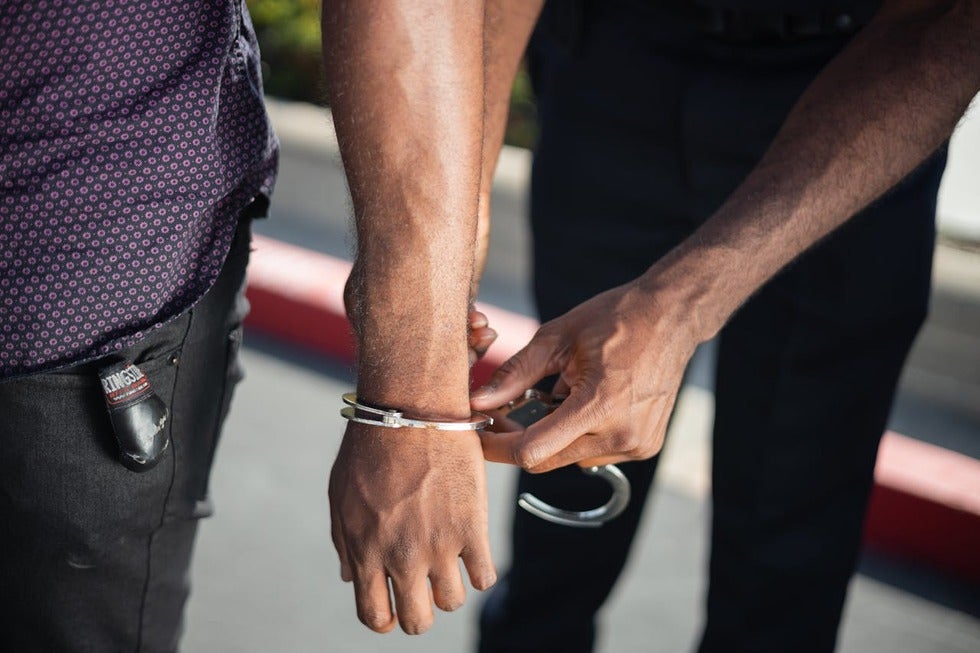
The effects of a false DUI arrest extend outside the courtroom, and an unlawful DUI arrest in California can have sweeping consequences. When police conduct a valid traffic stop without probable cause, the individual's constitutional rights, particularly Fourth Amendment protections, are in jeopardy. The consequences can impact jobs, reputation, and even driving privileges, including a one-year license suspension if the individual refuses a DUI chemical test. For the accused, contesting the lawfulness of the arrest through a DUI case suppression hearing is a critical step. What happens next is important for anyone experiencing or reading about this reality.
Case Dismissal
A DUI case can be dismissed if the court determines that the arresting officer lacked probable cause to detain or arrest the suspect. In other words, the officer lacked a sufficient factual basis to suspect the individual was actually under the influence. If an unlawful DUI stop is shown, it taints the prosecution's case. When the arrest wasn't lawful, crucial DUI evidence can be ruled inadmissible, leading prosecutors to potentially dismiss DUI charges altogether.
Defense teams spearhead dismissal by filing motions under California Penal Code Section 1538.5. These motions request the court to examine the validity of the arrest and the evidence gathered during the initial traffic stop. An effective defense strategy can introduce facts and law that demonstrate problems with the manner in which the arrest occurred. If the case is thrown out, it can even lead to bargains on reduced charges, sidestepping the more severe penalties associated with DUI convictions.
A robust defense is critical. It requires legal expertise, experience in analyzing police reports, and knowledge of California DUI law and constitutional protections.
Evidence Suppression
Evidence suppression is a key weapon when police obtain evidence in an unlawful DUI arrest. Courts can exclude evidence if it comes from a rights breach. For instance, if an officer conducts an unlawful car stop and gathers breath or blood test results, those results may be challenged and potentially excluded.
The legal standards for evidence suppression in court include:
-
Illegally Obtained Evidence: Any evidence gathered without probable cause, such as field sobriety tests or chemical results, may be thrown out.
-
Fruit of the Poisonous Tree Doctrine: Evidence resulting from the initial illegal action, like further questioning or searches, can be excluded.
-
Violation of Constitutional Rights: If the arrest violated the Fourth Amendment, the court may find that all related evidence is inadmissible.
-
Improper Procedures: Failure to follow required procedures, such as advising of rights, can lead to suppression.
Crucial to effective legal strategies is identifying exactly where law enforcement failed. The details matter: the timing of the stop, the officer's observations, and whether all steps were by the book. When significant evidence is suppressed, that frequently causes the prosecution's case to crumble.
Civil Recourse
Individuals unjustly arrested for DUI have civil options against law enforcement. The primary avenue is a civil suit for false arrest or infringement on constitutional rights. Damages can be for lost wages, emotional distress, reputational harm, and legal fees. Testimony, including police reports, body camera footage, and witness statements, is instrumental in making a solid argument.
It is important to document the incident well, maintaining a record of communications and results. This documentation bolsters allegations and assists in demonstrating damages before a judge or jury. Seasoned counsel will be critical to navigate, negotiate, or litigate. Civil recourse is tricky, but if your case is well-prepared, you can find real remedies and accountability.
Conclusion
Yes, California DUI police can detain you without probable cause. They have to observe signs such as poor driving, a strong odor of alcohol, or unsuccessful sobriety exercises. No hunch should lead the stop. If police skip these steps, that detention might be illegal. They should know their rights and ask questions if something feels hinky during a stop. Courts do not take those unlawful arrests lightly, and they will drop charges if police officers act without cause. To protect yourself and stay informed, understand your local laws and consult an attorney if you are charged with DUI. Your rights count, and being aware means you can endure rough moments with greater composure and command. Read on for more practical advice.
Frequently Asked Questions
1. Can Police Detain You For DUI In California Without Probable Cause?
No, police can't just detain you without probable cause for a DUI arrest in California. Detaining someone without it can violate a person's legal rights and may lead to suppressed DUI evidence.
2. What Is Considered Probable Cause For A DUI Stop?
Probable cause for a valid traffic stop might include swerving, a traffic violation, the odor of alcohol, or slurred speech, as DUI officers must have reasonable suspicion of unlawful activity to detain a suspect.
3. Can An Officer Use A Minor Traffic Violation As Probable Cause For DUI?
Yes, even a minor traffic violation can provide sufficient cause for a DUI investigation if the officer observes signs of impairment during the traffic stop.
4. What Should You Do If You Believe You Were Detained Without Probable Cause?
It's crucial to remain calm and avoid arguing during the initial traffic stop. Document the incident and consult an experienced DUI attorney to defend your constitutional rights and examine the details.
5. Can Evidence From An Unlawful DUI Detention Be Used In Court?
If the detention was illegal, then evidence from such an unlawful activity may be excluded in court. An experienced DUI defense attorney can help challenge any DUI evidence obtained without probable cause.
6. What Are The Consequences For Police Who Detain Someone Unlawfully?
Unlawful detentions during a traffic stop can result in evidence being thrown out, cases getting dismissed, and potential disciplinary action for the DUI officers.
7. How Can You Protect Your Rights During A DUI Stop?
Be respectful and cooperative during a traffic stop. Don't confess to any DUI offenses; instead, request a knowledgeable DUI attorney if detained and ask if you are free to go.
Protect Your Future: Your Rights Matter After A DUI Arrest
A DUI arrest can turn your life upside down. Your license, your record, and your future are all on the line, and every decision you make from this moment forward matters. The legal system moves fast in these cases, and without the right defense, you risk serious penalties that can follow you for years.
At Gorelick Law, we understand how overwhelming this situation feels. Our team has spent decades defending people facing DUI charges and guiding clients through the confusion of DMV hearings, court deadlines, testing issues, and rights violations. We focus on protecting your freedom, challenging the evidence, and making sure law enforcement plays by the rules.
You don't have to navigate this alone. Visit Gorelick Law to learn how we can safeguard your rights and build a strong defense from day one. Call for a free consultation and get a dedicated advocate in your corner. Your future is worth protecting, and we're ready to fight for you.

